Korea by Season: Which Version Do You Want to Experience?
Many travelers arrive in Korea expecting four familiar seasons. What surprises them is how dramatically those seasons can differ.
A Korean summer can feel intensely hot and humid, while winter in the mountainous interior can rival places associated with far colder climates. Daegwallyeong in Gangwon State, for example, has a January average temperature of about −6.9°C—slightly below Moscow's 1991–2020 January average of about −6.2°C. By spring and autumn, the same cities are transformed by blossoms or red-and-gold foliage.
These changes affect much more than the temperature. The food people crave, the clothes travelers need, the places that feel most inviting, and even the rhythm of a day all change with the season. Choosing when to visit Korea is really choosing which version of Korea you want to meet.
Spring: Flowers, Palaces, and Long Walks
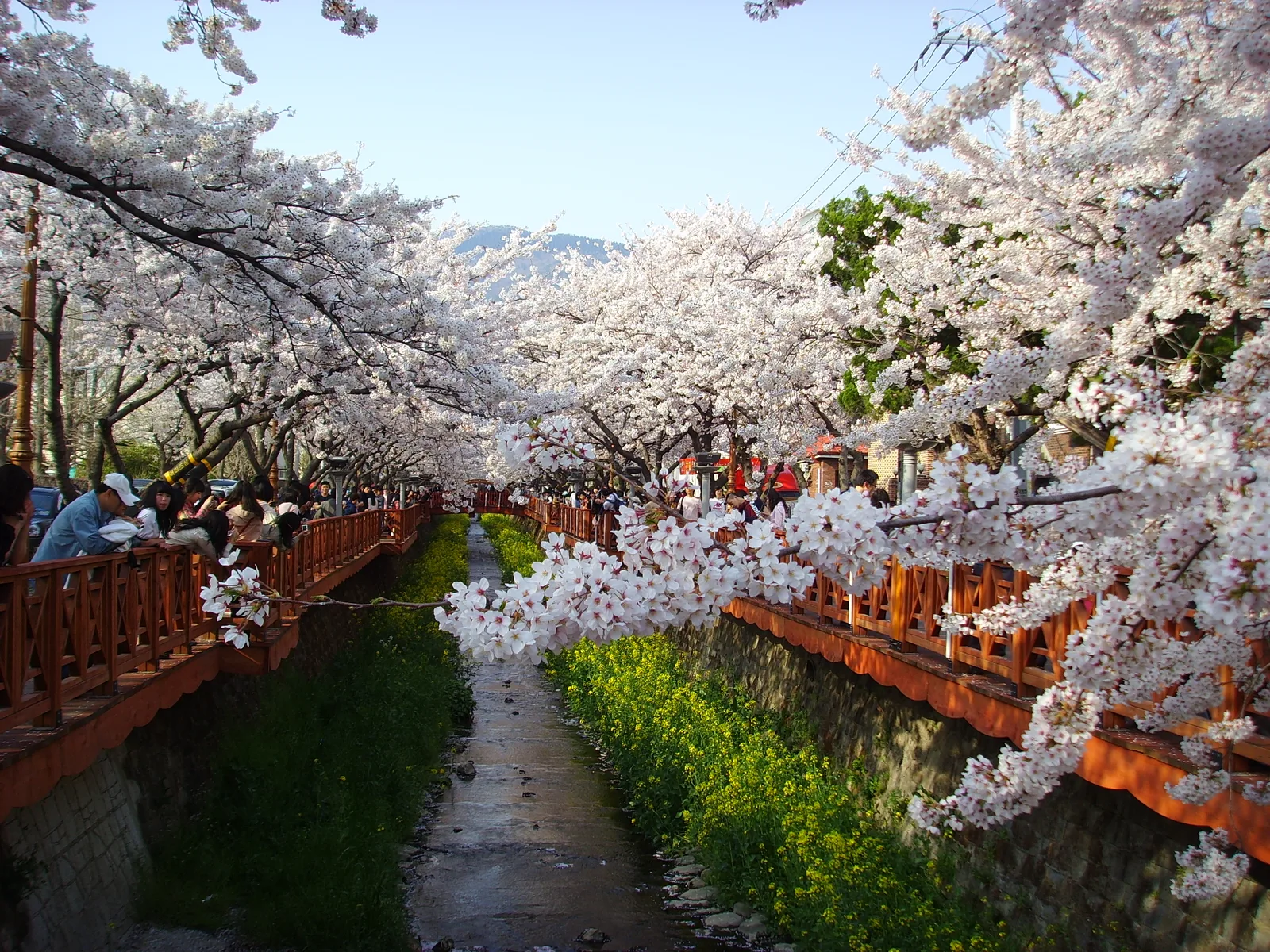
From March through May, Korea gradually shifts from chilly early-spring mornings to warm afternoons made for exploring on foot. Forsythia, azaleas, cherry blossoms, and later spring flowers appear across parks, palace grounds, riversides, and university campuses.
Cherry blossoms receive the most attention, but their timing is brief and varies by region and year. Jeju and southern cities generally bloom before Seoul and central Korea. Rather than building an entire trip around an old average date, check the latest official forecast shortly before departure.
Spring works especially well for palace visits, hanok neighborhoods, cycling paths, and day trips that involve plenty of walking. Bring layers because mornings and evenings may remain cool. Travelers sensitive to yellow dust, fine dust, or pollen should also monitor air-quality forecasts.
Summer: Beaches, Festivals, and Energetic Nights
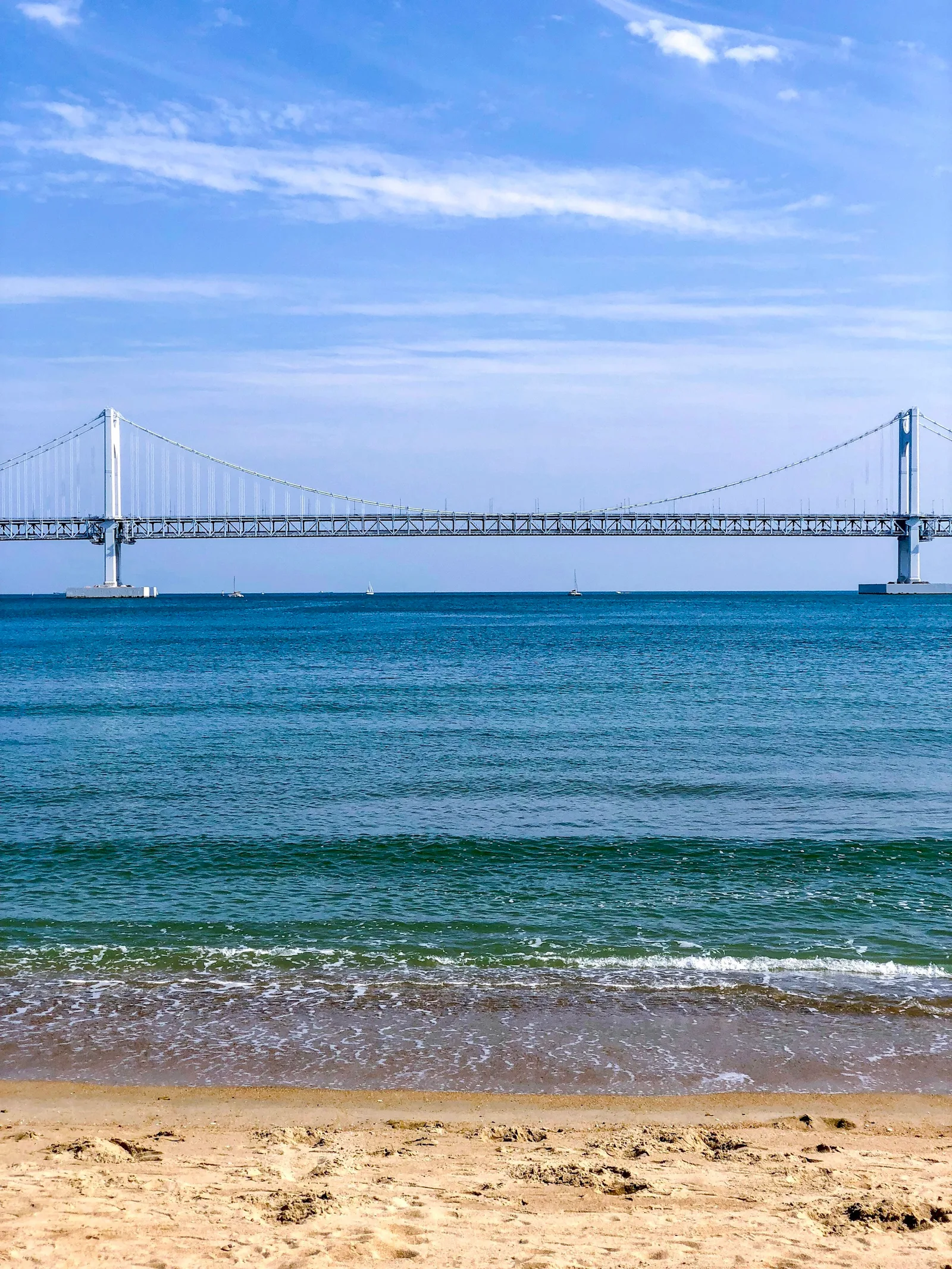
Summer, from June through August, brings a different kind of energy. Coastal destinations such as Busan, Gangneung, Sokcho, Jeju, and Korea's southern islands become natural choices, while city parks and riversides stay lively after sunset.
The heat and humidity can be demanding, particularly in July and August. Korea's rainy season often overlaps with late June and July, although its exact timing and intensity change every year. Typhoons can also affect Korea between summer and early autumn, so a flexible itinerary matters more than a perfect long-range forecast.
The reward is a season full of beach days, water activities, outdoor events, and summer food. Naengmyeon, kongguksu, patbingsu, and chilled drinks feel like part of the travel experience rather than simple relief from the weather. Plan outdoor sightseeing for the morning or evening, and keep museums, shopping centers, aquariums, and cafés as useful midday alternatives.
Autumn: Clearer Air, Comfortable Walks, and Foliage
September through November is a favorite period for travelers who want to spend most of the day outside. As the summer humidity eases, palaces, traditional neighborhoods, parks, and hiking routes become more comfortable to explore.
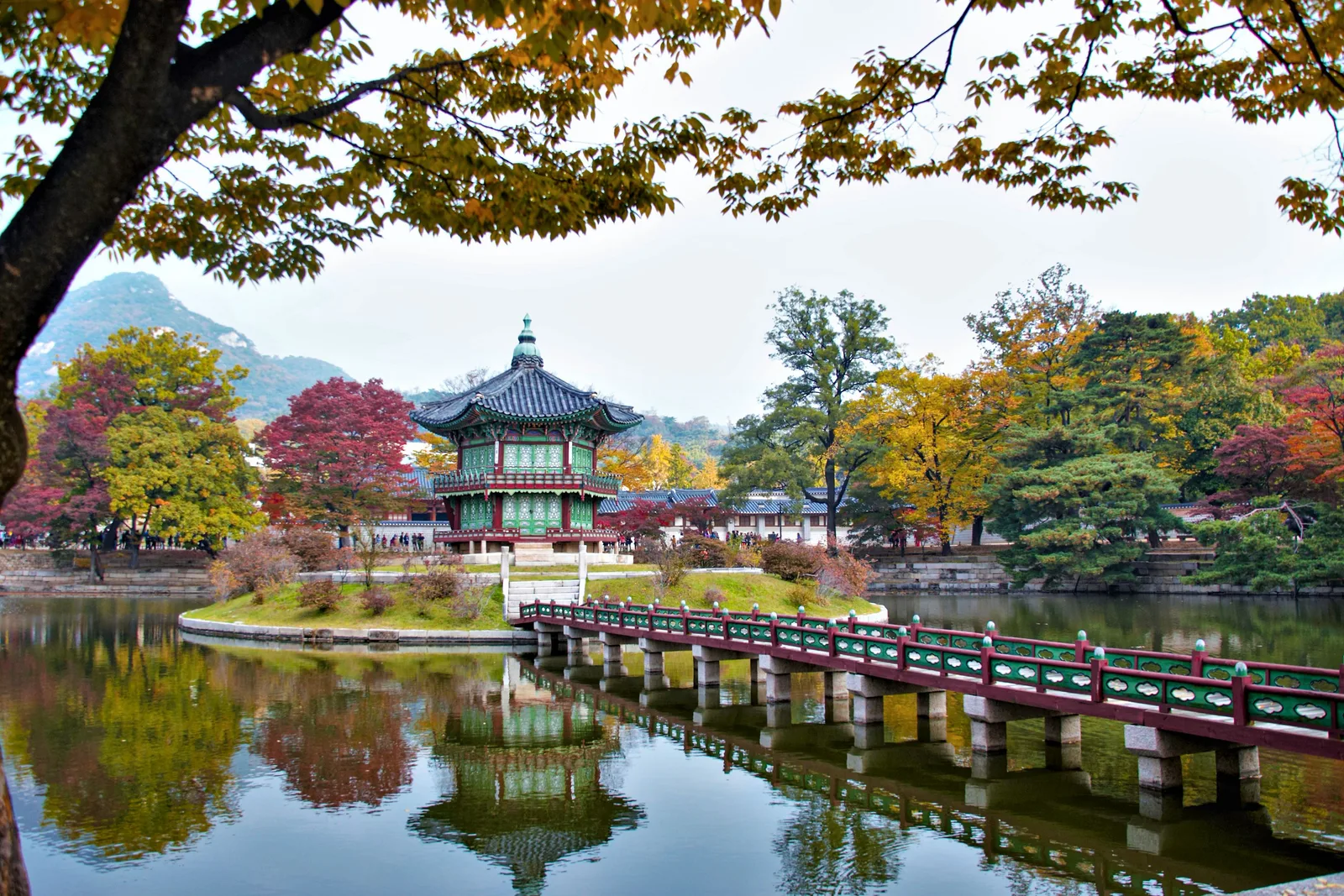
Autumn color does not arrive everywhere at once. It usually begins in cooler northern or mountain areas and moves gradually south. Seoraksan, Bukhansan, Naejangsan, and Hallasan can reach their best color at different times, and warmer weather can delay the schedule. Check the current year's foliage forecast rather than assuming that one October week will work nationwide.
You do not need to climb a mountain to enjoy the season. Gyeongbokgung Palace, Deoksugung Stone Wall Road, Seoul Forest, Olympic Park, and many neighborhood streets offer autumn scenery inside the city. Famous foliage destinations can become extremely busy on weekends, so weekday mornings are often more enjoyable.
If your trip overlaps with Chuseok, Korea's major autumn holiday, reserve intercity transportation early and check whether smaller businesses or attractions have adjusted hours.
Winter: Snowy Landscapes, Ski Trips, and Comfort Food
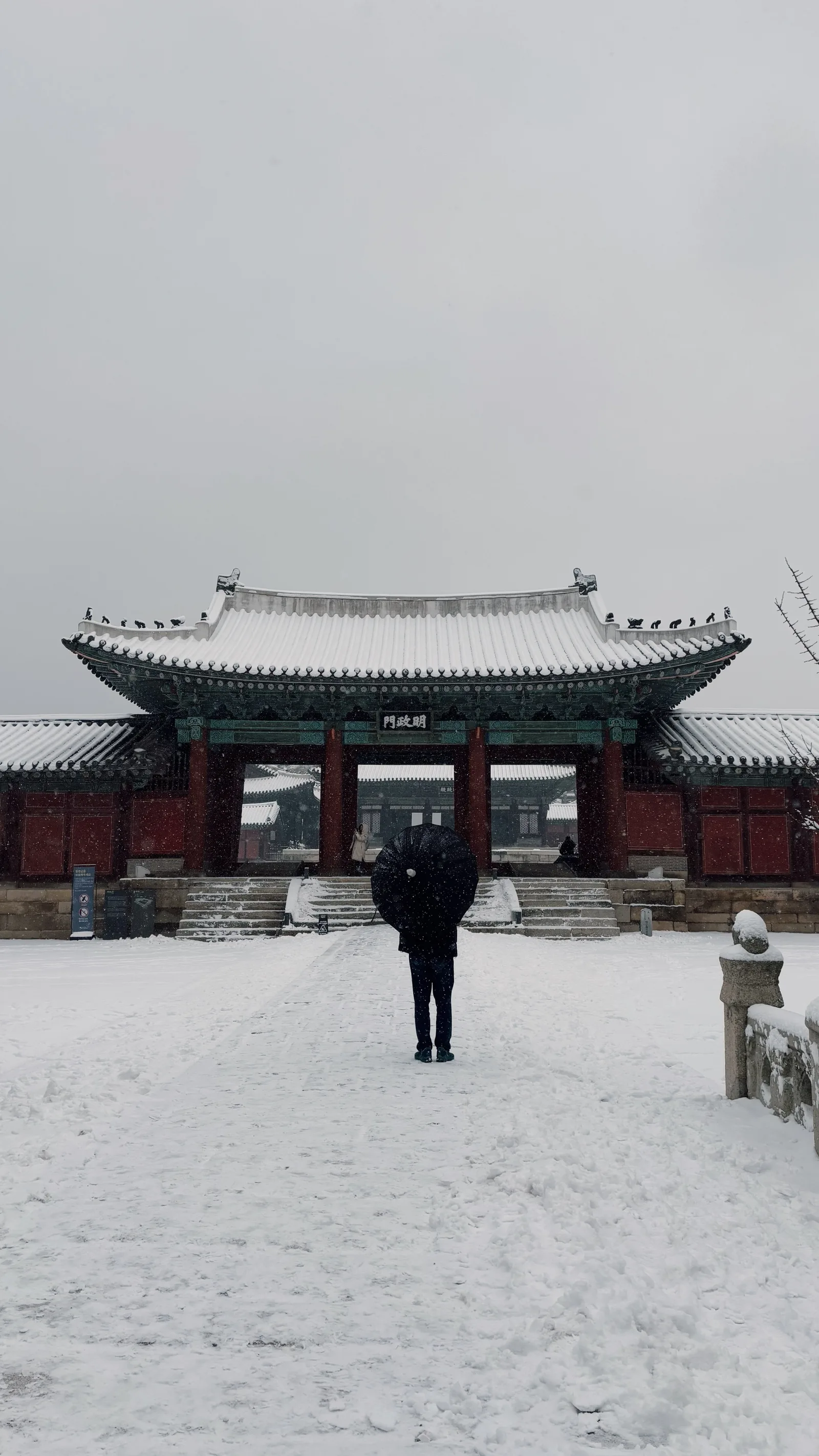
From December through February, inland Korea becomes cold and dry. Seoul can experience sharp subzero weather and strong winds, but snow is not constant. A winter visit to the capital does not guarantee snow-covered palace roofs.
Winter still creates experiences that no other season can offer. Gangwon State's ski resorts and snowy mountain landscapes become major attractions. In the cities, illuminated streets, quieter palace grounds, museums, exhibitions, cafés, and jjimjilbangs make it easy to alternate between outdoor and indoor time.
Cold weather also changes the menu. Gukbap, seolleongtang, hot eomuk broth, hotteok, and roasted sweet potatoes feel especially satisfying after time outside. A winter itinerary becomes much more comfortable when it combines one outdoor highlight with long meals or indoor cultural stops.
Ski-resort opening dates and slope operations depend on temperature and snow conditions. Check the resort's official notice before traveling. Lunar New Year can also affect train availability and business hours.
The Best Time to Visit Korea Depends on Your Trip
For a first visit with plenty of walking: Late April to May and late September to October often provide a comfortable balance, although weather is never guaranteed.
For cherry blossoms: Consider late March through April, then choose your city using the current regional bloom forecast.
For beaches and summer nightlife: Late July and August bring the strongest summer atmosphere in Busan, Gangneung, and Jeju, along with the greatest heat and possible typhoon disruption.
For hiking and foliage: October through early November is a useful starting point, but mountain and regional forecasts should decide the final timing.
For snow and skiing: Late December through February is the main window, particularly in Gangwon State. Do not rely on Seoul alone for guaranteed snow.
For fewer peak-season crowds: Travel between the most famous blossom and foliage periods, avoid major national holidays, and visit popular places on weekdays.
Remember That Region Matters as Much as Season
Korea is not a huge country, but its weather is not identical everywhere. Seoul and the mountainous interior can have severe winter cold, while Busan and Jeju are generally milder. Spring flowers usually appear earlier in the south, and high mountain areas can see autumn color or winter conditions before nearby cities.
Check the forecast for the actual city and elevation you plan to visit. A national average cannot tell you what to pack for both a Jeju coastal walk and a Gangwon mountain trip.
So, When Should You Visit?
There is no single season that defeats the others. Spring offers blossoms and gentle walks. Summer brings beaches and energetic nights. Autumn combines comfortable outdoor travel with brilliant color. Winter rewards travelers with snow activities, quiet scenery, and Korea's most comforting foods.
The best time to visit Korea is not simply the month with the mildest weather. It is the season most likely to deliver the Korea you are hoping to experience.
Sources: Korea Meteorological Administration climate normals and regional climate information; VISITKOREA climate and seasonal travel guidance; Russian Hydrometeorological Center climate reporting. Seasonal forecasts and event operations should be checked again before travel. Information reviewed June 26, 2026.