Korean Travel Etiquette: Small Habits That Make Korea Feel Easier
You do not need to memorize a long list of rules before visiting Korea. Most people will not expect a first-time visitor to understand every detail of Korean culture. What does matter is much simpler: move with a little awareness, show that you are trying, and pay attention to the space you are in.
That is why Korean travel etiquette is less about being perfect and more about knowing a few small habits that make daily interactions smoother. A slight bow, using two hands when giving or receiving something, removing your shoes in the right places, and keeping your voice down on public transport can all make Korea feel easier almost immediately.
The best part is that these habits are easy to learn. They do not require fluent Korean or deep cultural knowledge. They simply help you travel in a way that feels respectful without making every moment feel stressful.
Korean Travel Etiquette Starts with Small Gestures
In Korea, politeness is often shown through small physical cues. You do not need to perform a deep formal bow in everyday travel situations. A slight nod of the head is usually enough when greeting someone, thanking a shop owner, entering a small restaurant, or apologizing for bumping into someone.
Using two hands is another simple habit that goes a long way. When you receive a card, cash, a receipt, a cup, or a small item from someone older or from a staff member in a more formal setting, using both hands feels more respectful. If both hands are not practical, you can support one wrist or forearm with your other hand.
It is a tiny movement, but it changes the tone of an interaction. You are not just taking something quickly; you are acknowledging the person in front of you.
Shoes Come Off More Often Than You Might Expect
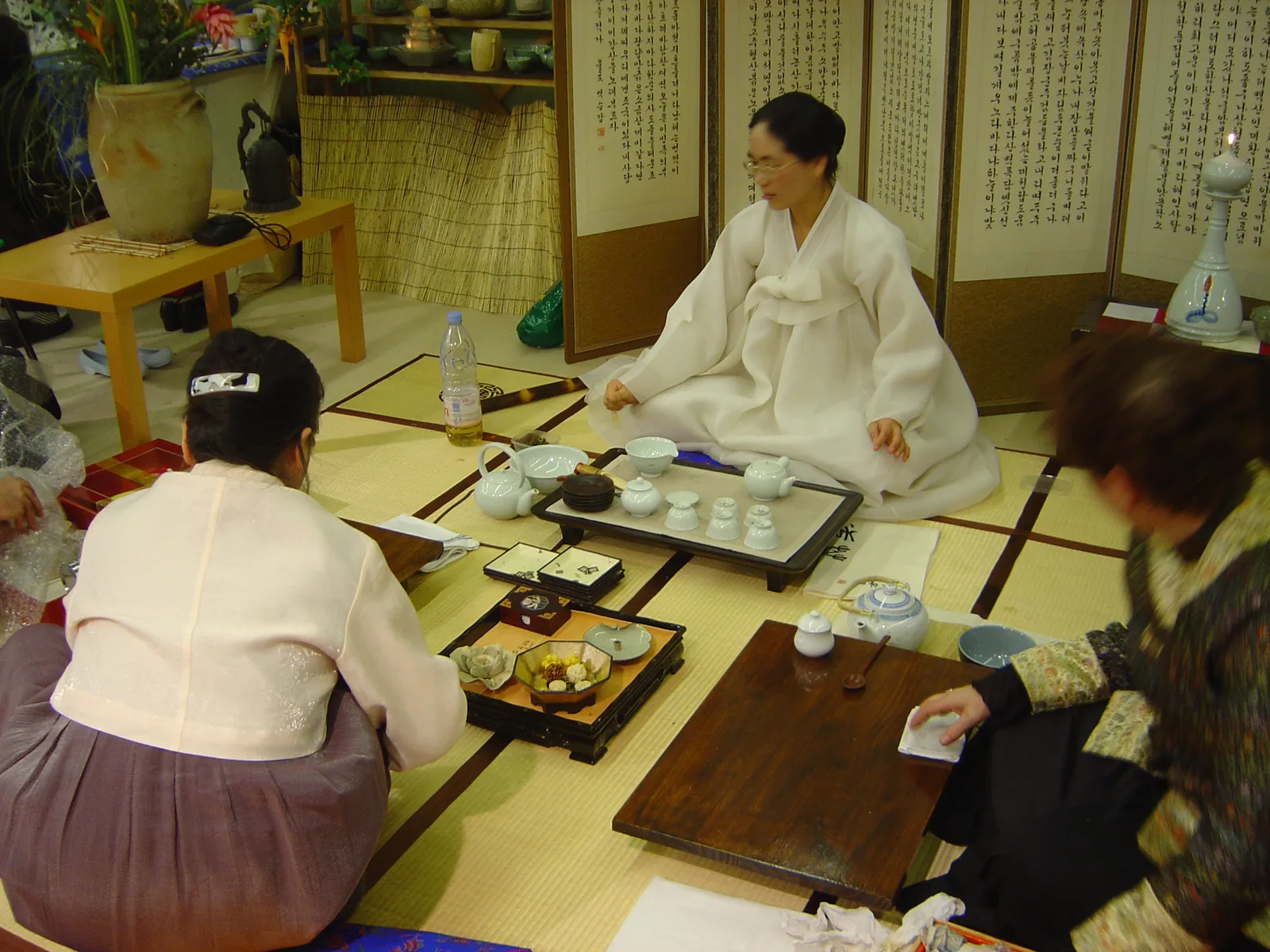
One of the easiest Korean customs to notice is the indoor shoe culture. In private homes, many guesthouses, some traditional restaurants, temple stays, and certain cultural spaces, shoes are removed at the entrance. There is usually a clear step, shoe rack, or entry area where outdoor shoes stop and indoor space begins.
If you are unsure, pause for a second and look at what other people are doing. That simple habit will solve most situations.
Socks are useful in Korea because you may unexpectedly enter a place where shoes come off. Bare feet are not a disaster, but clean socks usually feel more comfortable and more appropriate, especially in homes, hanok stays, or restaurants with floor seating.
Dining Etiquette Is About Sharing, Not Being Formal
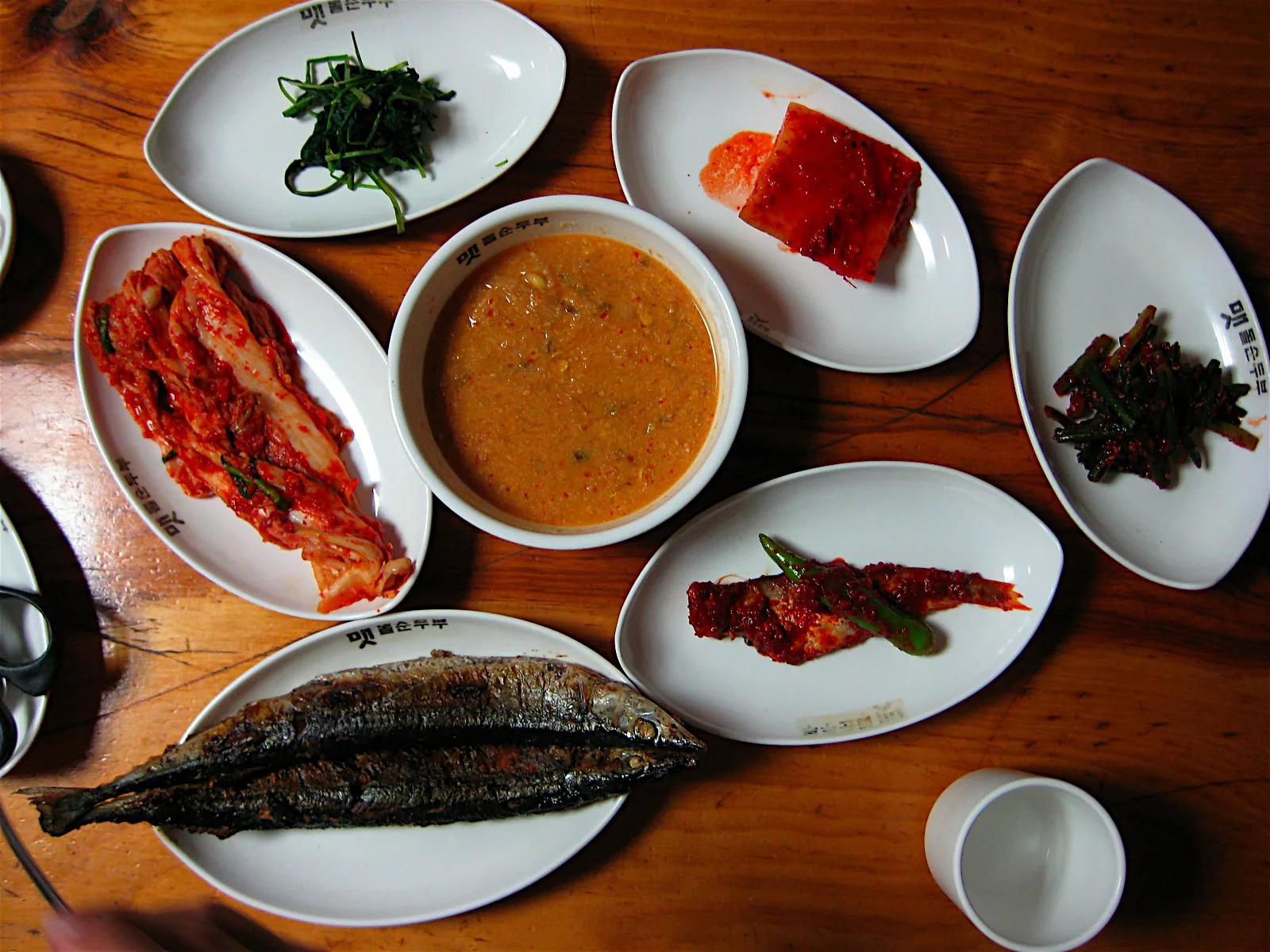
Korean meals often feel more communal than meals in many other countries. Side dishes are shared. Grilled meat may be cooked at the center of the table. Stews can arrive bubbling in a shared pot. The meal is not just food placed in front of each person; it is a small social rhythm.
If you are eating with older Koreans or hosts, it is polite to wait briefly before starting, especially at a more traditional meal. You do not need to freeze awkwardly. Just give the table a moment and follow the pace of the group.
A few dining habits are worth remembering. Do not stick chopsticks upright into a bowl of rice, because that resembles a funeral ritual. Try not to dig through shared side dishes too aggressively. If drinks are being poured, pouring for others before filling your own glass is considered polite. When someone pours for you, holding the glass with two hands or supporting it with one hand is a respectful gesture.
None of this should make dinner feel like an exam. Korean dining is warm, busy, generous, and often very relaxed. These customs simply help you join the rhythm of the table more naturally.
Public Transport Etiquette Is Quiet and Practical
Korea’s public transport is one of the easiest parts of traveling here, especially in Seoul. The subway is clearly signed, frequent, and connected to buses and taxis across the city. Seoul’s own public transportation guide explains that transport cards such as T-money and Cashbee can be used across buses, subways, taxis, and public bikes.
The etiquette is mostly common sense, but it is more noticeable in Korea because public spaces are relatively orderly. Keep phone calls short and quiet. Avoid playing sound from your phone without earphones. Let passengers get off before you board. On buses, tap your card when getting on and again when getting off so transfers work correctly.
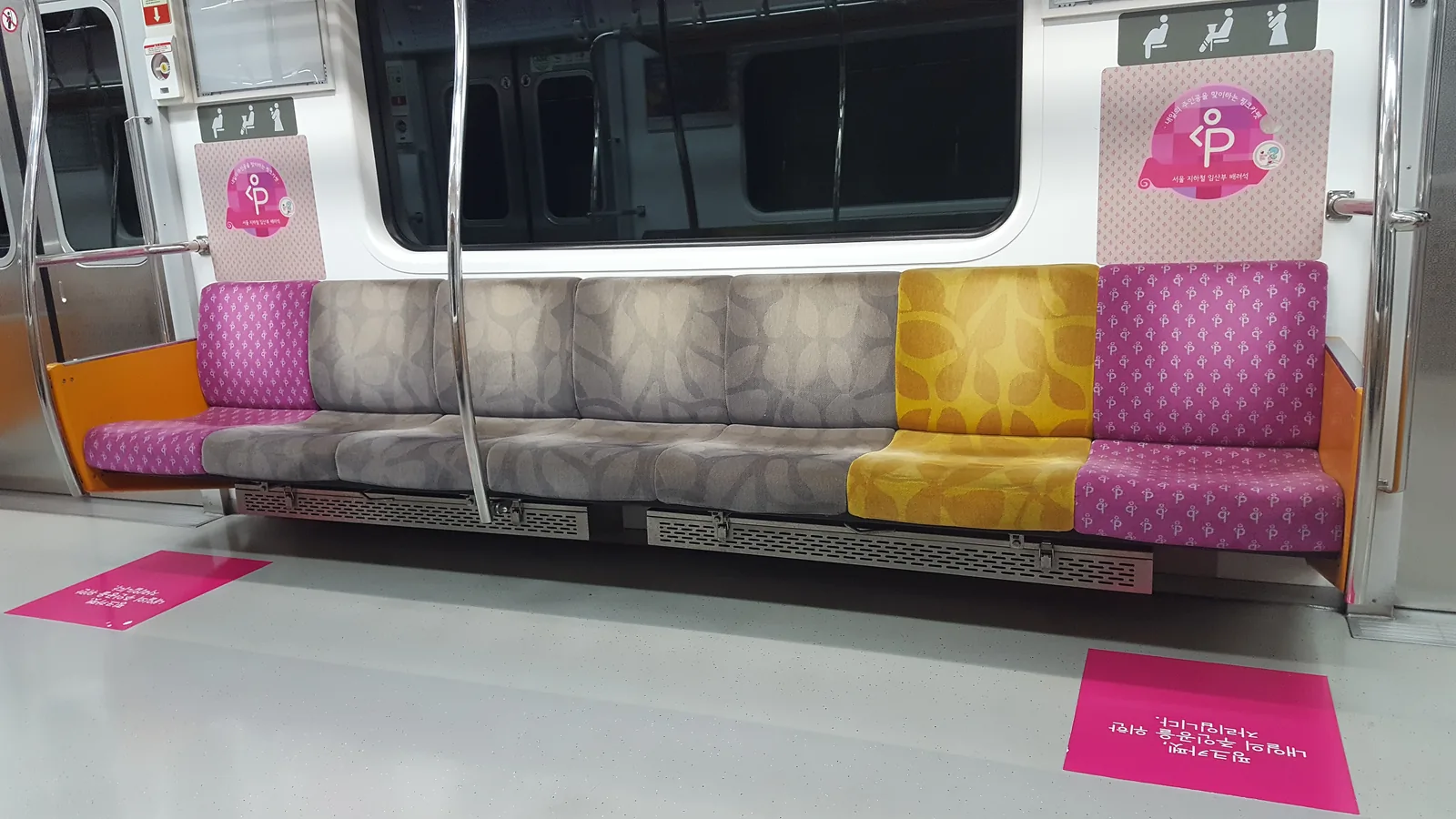
Priority seats are taken seriously. On the subway, some seats are marked for elderly passengers, disabled passengers, pregnant passengers, and others who may need them. Seoul has even introduced highly visible pink priority seating for pregnant passengers to make those seats easier to recognize. As a visitor, the safest habit is simple: if a seat is clearly marked as priority, leave it open unless you truly need it.
Be Extra Thoughtful in Residential and Sacred Spaces
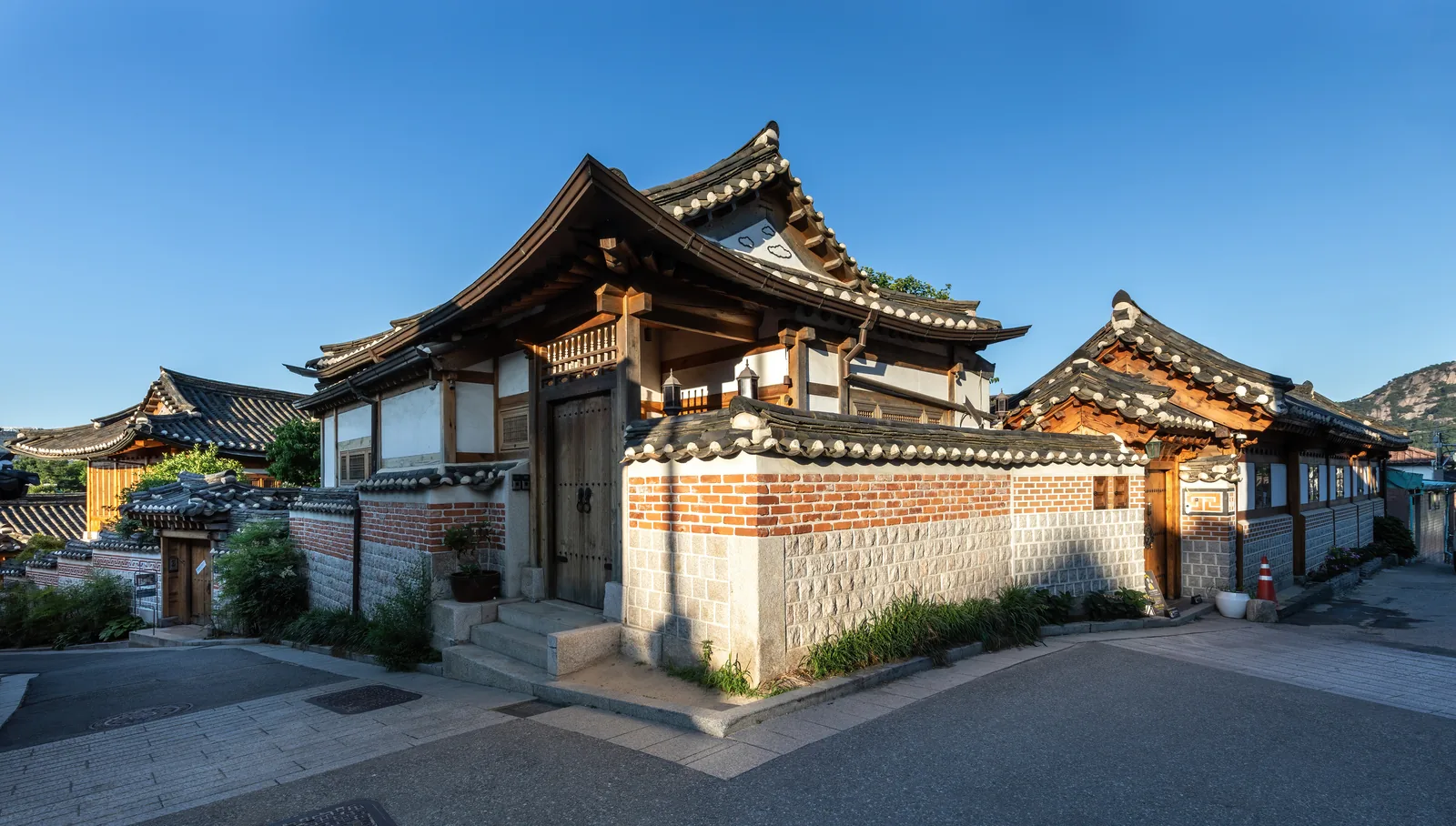
Some of Korea’s most beautiful places are not only tourist attractions. Bukchon Hanok Village is also a residential neighborhood. Temples are active religious spaces. Memorial sites are places of remembrance. That means the atmosphere matters as much as the photos.
In hanok villages and older residential areas, keep your voice down, avoid blocking narrow alleys, and do not photograph directly into windows, courtyards, or private homes. In temples, move calmly, avoid loud conversations, and check whether photography is allowed inside halls. At memorial or cemetery sites, follow posted rules and avoid casual behavior that would feel disrespectful in a solemn place.
A good rule for Korea is this: if the place feels lived-in, sacred, or quiet, act like a guest rather than a customer.
Photos Are Fine — But Ask When People Are the Subject
Travel photography is normal in Korea, and locals take plenty of photos too. Streets, food, signs, landscapes, cafes, and landmarks are usually easy to photograph. The line becomes more sensitive when a stranger’s face, a performer, a shop owner, or a child becomes the main subject of your photo.
If someone is clearly the focus of the image, ask first or avoid the shot. This is especially important in markets, small restaurants, religious spaces, and residential neighborhoods. Taking a wide street scene is different from pointing a camera directly at one person from close range.
Tipping Is Usually Not Expected
Visitors from tipping cultures sometimes worry about whether they are being rude by not leaving extra money. In most everyday Korean settings, tipping is not expected. Restaurants, cafes, taxis, hair salons, and hotels generally do not require tips in the way travelers might expect in the United States.
There are exceptions in luxury hotels, private tours, or international-style services, but even there it is not something you need to overthink. A sincere thank-you, a polite tone, and treating staff respectfully matter much more in ordinary travel situations.
If You Make a Mistake, Do Not Panic
The most useful etiquette advice for Korea is also the most relaxing: you will probably make a small mistake, and it will probably be fine.
You might forget to use two hands. You might stand in the wrong spot. You might start eating a little too early. You might not understand the shoe rule until you see everyone else taking theirs off. These moments happen.
If you notice, adjust. If someone corrects you, smile, say sorry, and move on. A simple “joesonghamnida” — meaning “I’m sorry” — is useful, but even a respectful gesture and a sincere expression usually communicate enough.
Korean travel etiquette is not about becoming Korean for your trip. It is about being the kind of visitor who notices the room, respects the people around you, and leaves places feeling a little better than you found them.
FAQ
Do tourists need to bow in Korea?
Not formally in most travel situations. A small nod of the head is enough for greetings, thanks, and quick apologies in shops, restaurants, hotels, and everyday interactions.
When should I remove my shoes in Korea?
Remove your shoes in private homes, many hanok stays, some traditional restaurants, temple-stay spaces, and anywhere with a clear shoe rack or raised indoor floor area.
Is tipping expected in Korea?
Usually no. Tipping is not expected in most restaurants, cafes, taxis, or everyday services. Respectful behavior and a sincere thank-you matter more.
Can I take photos of people in Korea?
General street and travel photography is common, but ask first if one person is clearly the subject, especially in markets, restaurants, temples, residential areas, or performances.
What happens if I make an etiquette mistake?
Do not panic. Most people understand that visitors are still learning. Correct yourself if you notice, offer a simple apology, and continue respectfully.