Why Solo Travel in Korea Feels So Free
Solo travel in Korea can feel wonderfully freeing. You can change neighborhoods on a whim, spend as long as you like in a museum or café, and build each day around your own interests rather than a group schedule.
Korea does not remove every challenge of traveling alone. You still need to plan your route, pay attention to your surroundings, and accept that some restaurants are designed for groups. Yet reliable public transportation, a growing culture of solo dining, and lively public spaces make it easier to create a trip that feels independent without feeling isolated.
Why Solo Travel in Korea Feels So Flexible
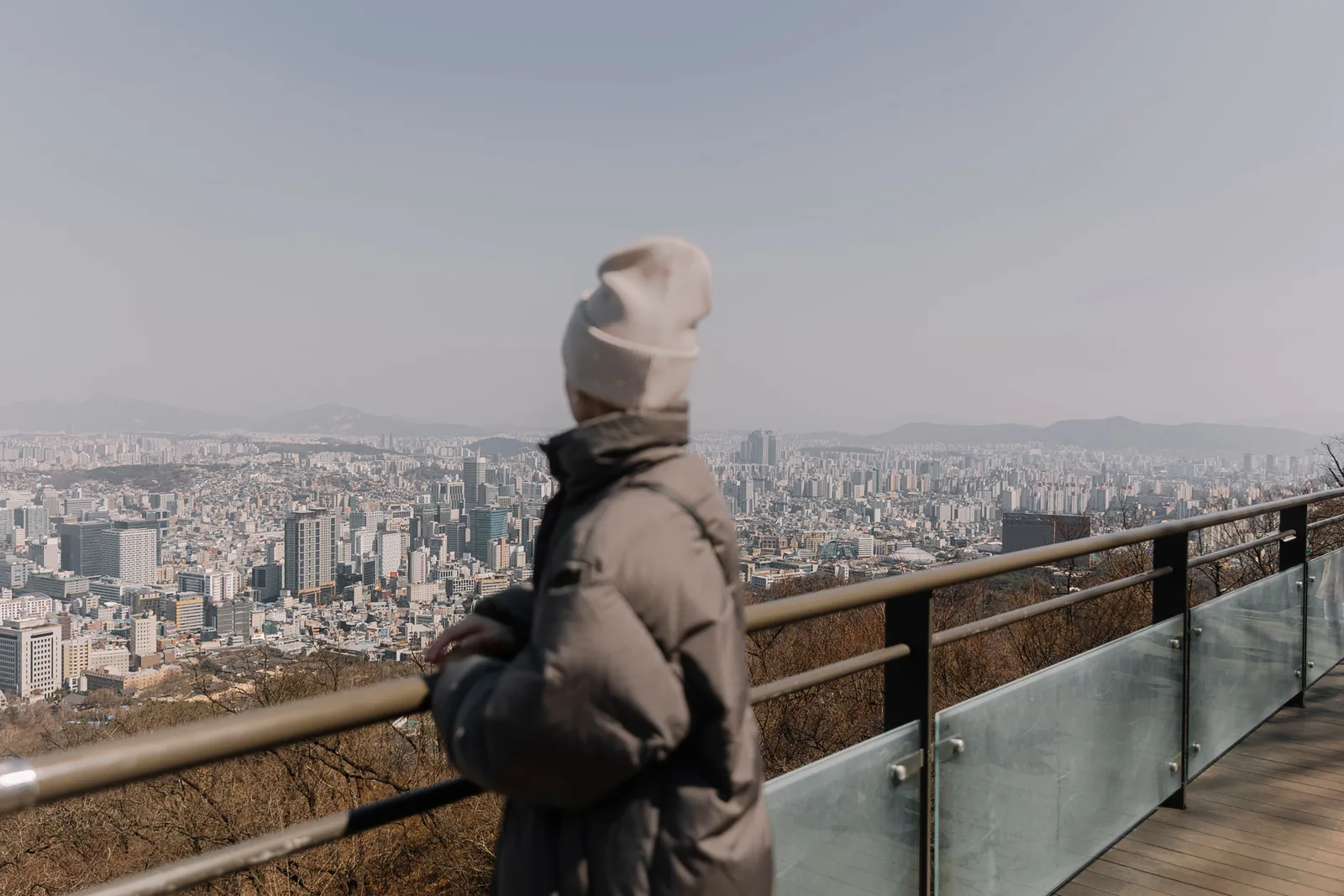
The greatest advantage is control over your time. Seoul can move quickly, but a solo traveler does not have to. You might begin at a palace, stay for lunch in a traditional neighborhood, and then decide whether the evening belongs to a market, a riverside walk, or a quiet café.
That freedom is especially useful in Korea because neighborhoods often reward wandering. A famous attraction may bring you to an area, but the memorable part of the day could be a side street, a small bookstore, a local bakery, or an unexpected view from a hill.
Getting Around Alone Is Manageable with a Little Preparation
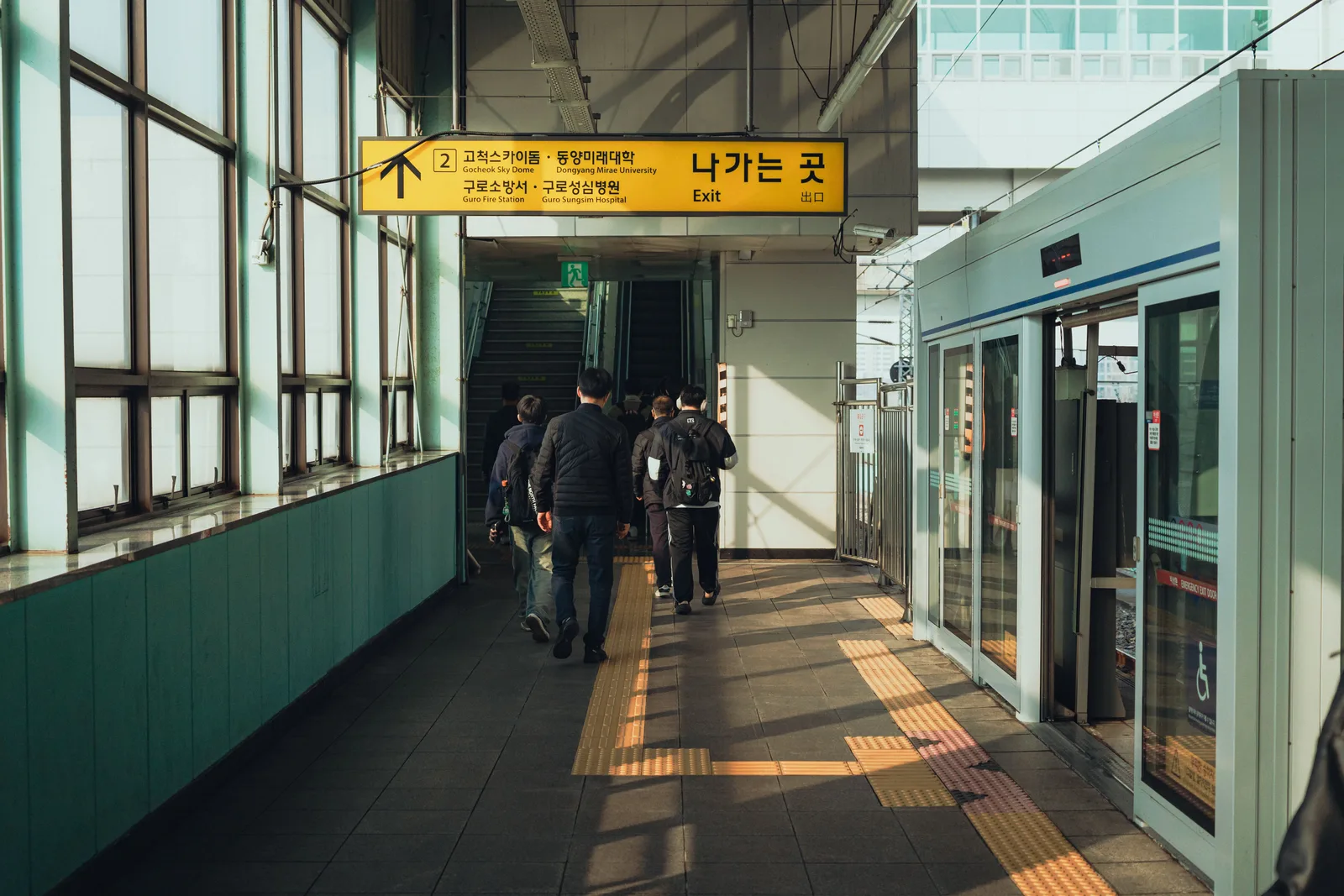
Public transportation is one of the strongest reasons Korea works well for independent travelers. Seoul's subway network connects major attractions and residential districts, while buses and intercity rail make it possible to explore beyond the capital.
Before leaving your accommodation, save the Korean name and address of your destination. Korean map apps are often more useful locally than international mapping services, and screenshots can help if your mobile connection becomes unreliable. A rechargeable transportation card also makes everyday bus and subway trips simpler.
Stations commonly provide numbered exits and English route information, but large transfer stations can still take time to navigate. Check the correct exit before reaching street level; choosing the wrong one can add a surprisingly long walk.
Eating Alone Is Easier Than It First Appears
Some Korean meals are naturally social. Barbecue restaurants, dakgalbi restaurants, and large shared dishes may have minimum-order rules, especially during busy dinner hours. That does not mean solo travelers are limited to convenience-store food.
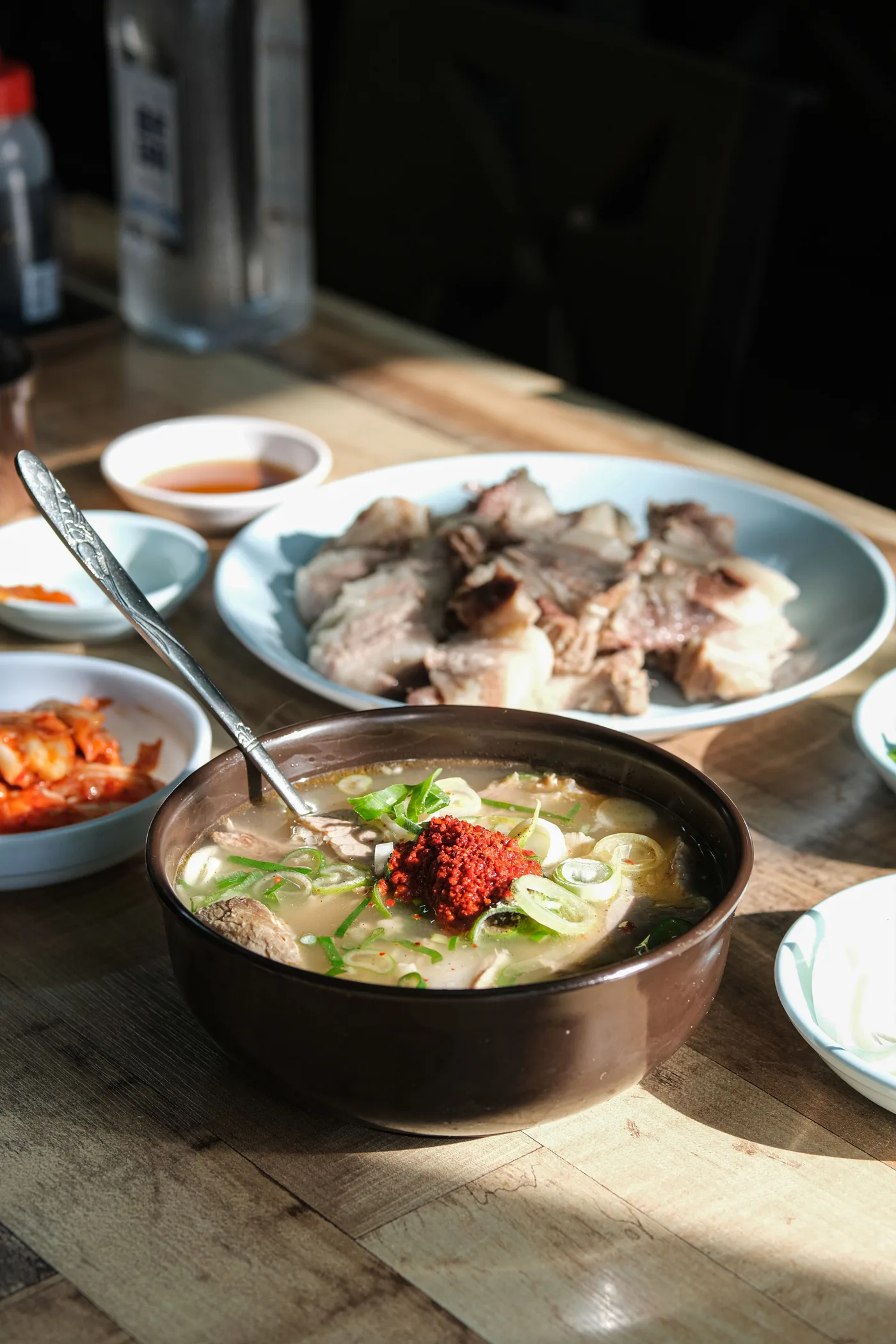
Korea has many satisfying meals that work perfectly for one person. Gukbap, a comforting bowl of hot soup served with rice, is often described as Korean soul food. Bibimbap, kalguksu, galbitang, naengmyeon, gimbap, and many noodle or rice dishes are also easy solo choices. Department-store food halls, markets, casual chains, and restaurants with counter seating can be particularly convenient.
If you want barbecue or dakgalbi, look for places that explicitly accept solo diners or visit outside peak hours. Checking recent reviews is helpful because policies can vary by branch and time of day.
Public Spaces Make Solitude Feel Natural
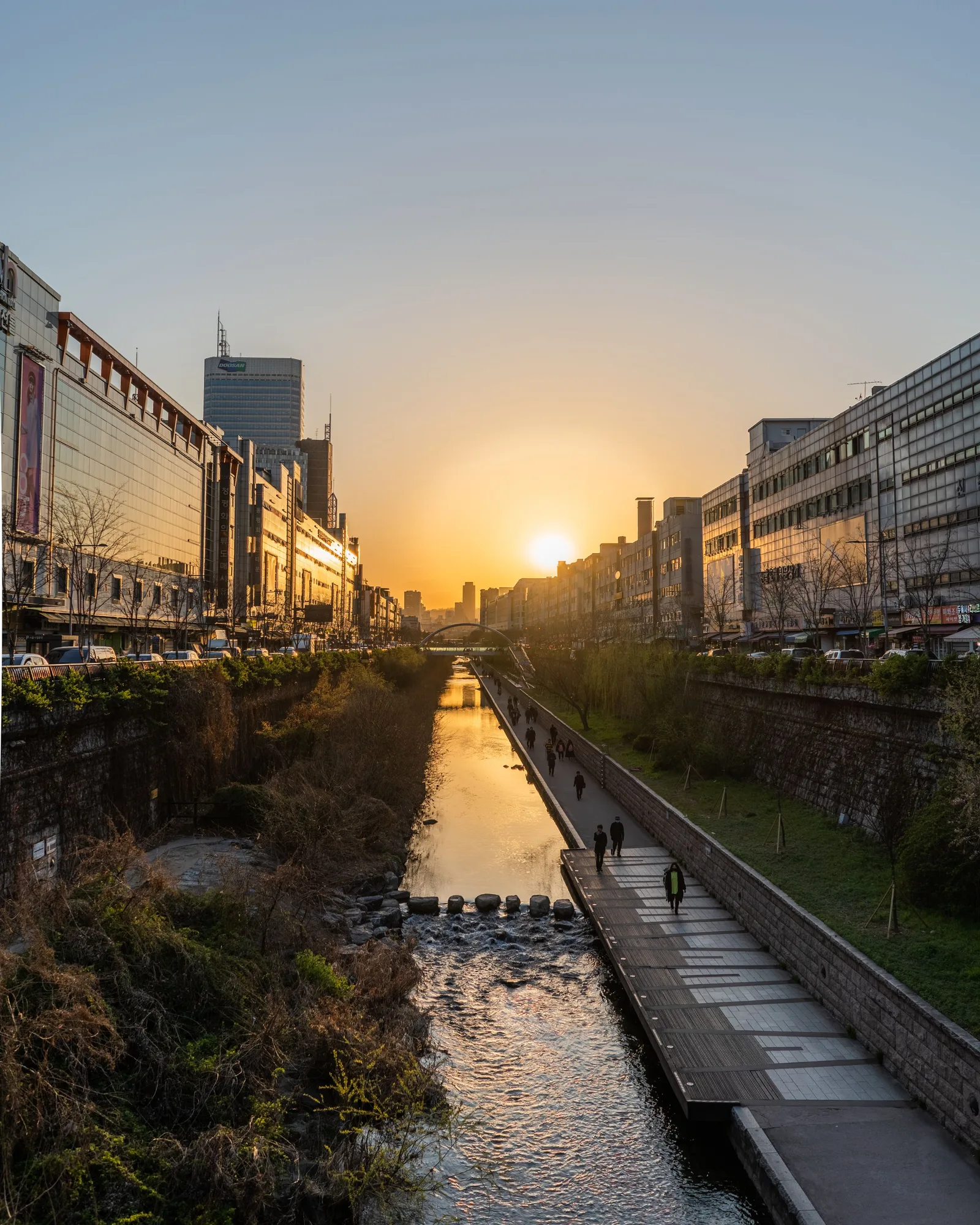
One pleasure of traveling alone in Korea is that you rarely need a formal plan to enjoy the city. Walk along Cheonggyecheon Stream, browse a traditional market, sit beside the Han River, or explore a neighborhood such as Seochon, Ikseon-dong, Yeonnam-dong, or Seongsu.
Cafés are also useful pauses rather than mere stops for coffee. They give you time to recharge your phone, review photos, plan the next route, or simply watch the neighborhood change through the window.
In the evening, well-used streets and riverside parks can remain energetic without requiring you to join a group. The atmosphere offers company while allowing you to keep your own pace.
Safety Matters, but Avoid Absolute Promises
Many visitors find Korea comfortable to navigate alone, including after dark in busy areas. Still, no destination is completely risk-free. Use the same practical habits you would use in any unfamiliar city: keep valuables secure, stay aware in crowded nightlife districts, avoid poorly lit shortcuts, and make sure you can return to your accommodation safely.
Save your accommodation address in Korean and keep your phone charged. If you drink, watch your drink and arrange your route home before the last subway. Solo travelers should also share important itinerary details with someone they trust, particularly before hiking or visiting remote areas.
For emergencies, call 112 for police and 119 for fire or medical assistance. The 1330 Korea Travel Helpline can assist travelers with tourism information and certain travel-related difficulties. Service availability and language support can change, so check the official information before your trip.
You Can Be Social Without Giving Up Your Independence
Solo travel does not have to mean spending every day alone. Walking tours, cooking classes, day tours, language exchanges, performances, and hostel activities can add conversation to the trip without controlling your entire itinerary.
The useful approach is to treat group activities as an option, not an obligation. Join one when it adds something you cannot easily arrange alone, then return to your own schedule afterward.
What If You Feel Lonely?
Loneliness can happen on any solo trip, especially after several busy days or during long evenings. It is not proof that you chose the wrong way to travel.
Give the day a little structure. Plan one main activity, one good meal, and one place where you can slow down. Call someone at home, join a short activity, or return to a neighborhood that already feels familiar. Sometimes the solution is not more sightseeing but a quieter day.
Two Easy Solo Days in Seoul
History and neighborhood day: Begin at Gyeongbokgung Palace, walk through Seochon or Bukchon, have an individual lunch such as bibimbap or kalguksu, and finish around Insadong or Cheonggyecheon Stream.
Modern Seoul and riverside day: Explore Seongsu's shops and cafés, continue to Seoul Forest, and spend sunset beside the Han River. If you still have energy, choose a bright evening district with a simple route back to your accommodation.
A Simple Solo Travel Checklist
- Install a reliable Korean map app and save key destinations.
- Carry a rechargeable transportation card.
- Keep your accommodation name and address in Korean.
- Carry a portable battery and maintain mobile data access.
- Check restaurant minimum-order rules before traveling far for a meal.
- Save 112, 119, and the current 1330 helpline information.
- Tell someone your plans before hikes or remote day trips.
- Leave space in the itinerary for rest and spontaneous discoveries.
Who Will Enjoy Solo Travel in Korea Most?
Korea is a strong match for travelers who enjoy urban exploration, food, cafés, public transportation, photography, culture, and flexible days. It can also be a good first solo destination for someone willing to learn a few local apps and prepare basic information in advance.
Travelers focused mainly on shared barbecue, nightlife groups, or remote countryside routes may prefer to add tours or meetups to part of the trip. The goal is not to prove that you can do everything alone. It is to design a journey that gives you independence where it feels good and support where it is useful.
That balance is what makes solo travel in Korea memorable. You are free to follow your curiosity, change your plans, and let each day become your own version of Korea.
Travel information checked: June 26, 2026. Emergency and helpline services should be reconfirmed through official Korean tourism sources before travel.