Why Korea Is Easier Than It Looks for First-Time Visitors
Before a first trip to Korea, it is easy to imagine the hard version.
You might picture subway lines you cannot read, restaurants where nobody understands you, menus without English, map apps that behave differently from what you are used to, and a city that moves faster than you can process. If you have heard that Google Maps is not always the best tool in Korea, that worry can grow even more.
Some of that anxiety is understandable. Korea is not an English-first travel environment. Local restaurants can be busy. Subway stations can be large. A small mistake with a station exit can turn a simple walk into a confusing detour.
But that does not mean Korea is a difficult country to travel in. More often, Korea is a country with its own operating system. Once you learn a few basic habits, the trip becomes much easier than it looked from the outside.
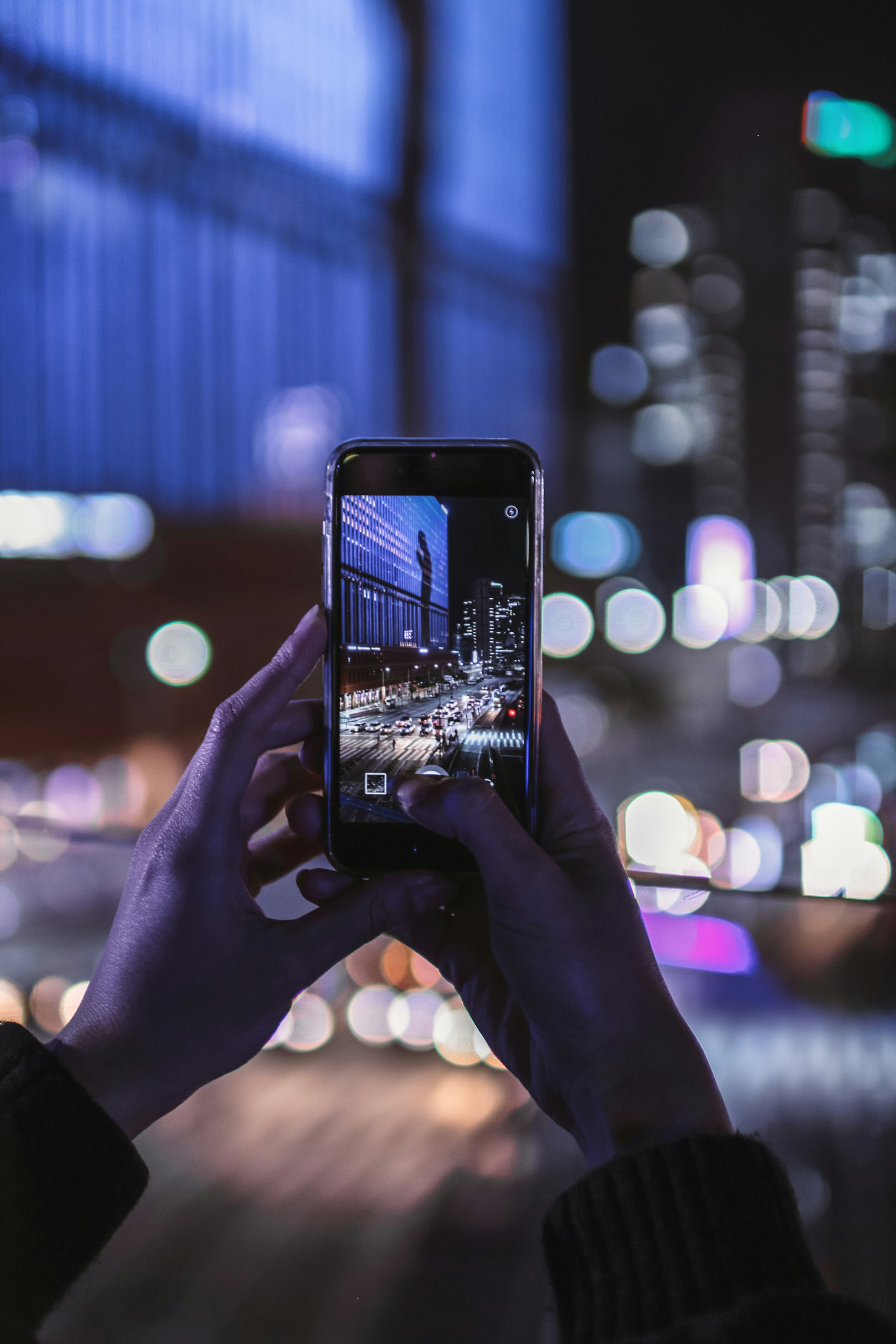
Korea Feels Hard Before It Feels Easy
The first challenge is mental. Many visitors judge Korea before arriving through the parts that sound unfamiliar: Hangul signs, local map apps, shared dining, subway transfers, restaurant queues, and cultural etiquette.
That list can make Korea feel like a place where you need to prepare perfectly. You do not.
You only need enough structure to get through the first day. After that, the system starts to reveal itself. Subway exits have numbers. Convenience stores are everywhere. Cafes give you a place to pause. Translation apps can handle many small interactions. Transit cards remove the need to buy individual tickets every time.
The country does not become easy because every detail is translated. It becomes easy because the same few patterns repeat.
Find the right app. Check the exit number. Save the destination. Carry a transit card. Keep your phone charged. Do not overload the day. These habits solve more travel problems than memorizing dozens of Korean phrases.
The Infrastructure Does a Lot of Quiet Work
Korea's travel infrastructure is one of the main reasons first-time visitors adapt quickly.
In Seoul and other major cities, public transport connects most places a traveler is likely to visit. Subway stations, buses, airport rail, intercity trains, express buses, taxis, convenience stores, cafes, and shopping centers all form a practical support system.
That support system matters most when something small goes wrong.
If you miss breakfast, a convenience store can cover it. If it rains, you can usually find an umbrella quickly. If your route feels confusing, a cafe gives you ten minutes to sit down and recheck the map. If your feet hurt, subway and bus options often let you shorten the walking part of the day.
Korea is not effortless. But it is forgiving in many ordinary travel situations. There is usually another train, another cafe, another convenience store, another restaurant, another route.
That makes a big difference for nervous travelers.
Transport Is Complicated Only Until You Learn What to Check
Korean public transport can look intimidating at first because there are many lines, stations, exits, and transfer points. The mistake is trying to understand the whole system at once.
You do not need to understand the entire Seoul subway map. You need to understand your next route.
For most visitors, the important details are simple:
- Which line should I take?
- Which direction should I travel?
- Where do I transfer?
- Which exit number should I use?
- How long is the final walk?
- Is there a bus that gets closer than the subway?
The exit number is especially important. In Korea, a subway station can have many exits, and the wrong one may put you across a wide road, inside a large shopping complex, or several minutes away from the entrance you wanted.
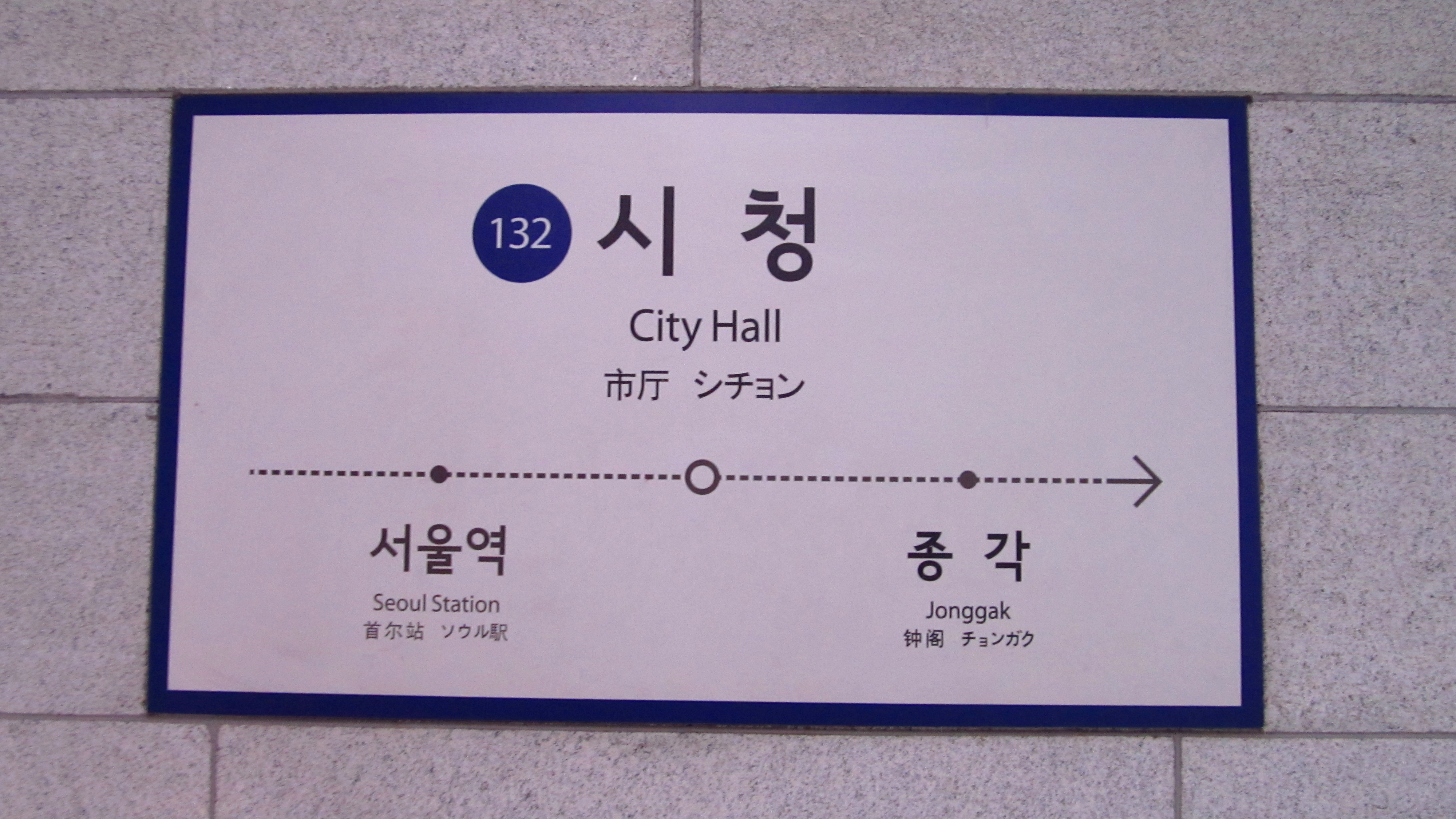
This is where Naver Map or KakaoMap becomes useful. Naver Map's app listing notes support for Korean, English, Japanese, and Chinese maps and English navigation. Visit Seoul also explains that Tmoney cards can be used on buses and subways, with transfer benefits when properly scanned.
Once you combine a local map app with a transit card, transport becomes much less mysterious. You are no longer solving Korea's entire network. You are following one route at a time.
Food Is Easier If You Start with the Right Meals
Many first-time visitors worry about eating in Korea more than moving around. The fear is not only language. It is the feeling that you might order the wrong thing, break an unknown rule, or end up in a restaurant that expects a group.
The easiest answer is not to start with the hardest restaurant.
Begin with foods and places that are naturally simple for travelers:
- Gimbap shops
- Gukbap restaurants
- Seolleongtang or gomtang restaurants
- Kalguksu and mandu restaurants
- Fried chicken restaurants
- Department store food halls
- Market snacks
- Tourist-friendly Korean BBQ restaurants
- Convenience store meals when you need a break
You do not need perfect Korean to eat well. Photos, menus, translation apps, pointing, and simple phrases can get you through many meals. In busy tourist areas, staff are often used to visitors, even if they are not fluent in English.
The key is to understand the kind of meal you are entering. Korean BBQ, dakgalbi, large hot pots, jokbal, bossam, and seafood platters may be easier with two or more people. Soup, noodles, rice bowls, gimbap, fried chicken, cafe meals, and food courts are usually easier for solo travelers.
If you have allergies or strict dietary restrictions, Korea does require more preparation. Broths, sauces, kimchi, and side dishes can include hidden ingredients. But for a traveler without serious restrictions, the food barrier is usually lower than it looks.
Convenience Stores and Cafes Make Travel Softer
One reason Korea feels manageable is that small backup options are everywhere.
Convenience stores are more than places to buy snacks. They are where travelers buy water, quick breakfasts, umbrellas, tissues, chargers, heat packs, ice cups, late-night food, and sometimes transport card top-ups. A convenience store can turn a bad travel moment into a small inconvenience.
Cafes are just as useful. In Korea, cafes often function as rest stops, planning spaces, weather shelters, and battery-recovery stations. They let you slow down without ending the day.
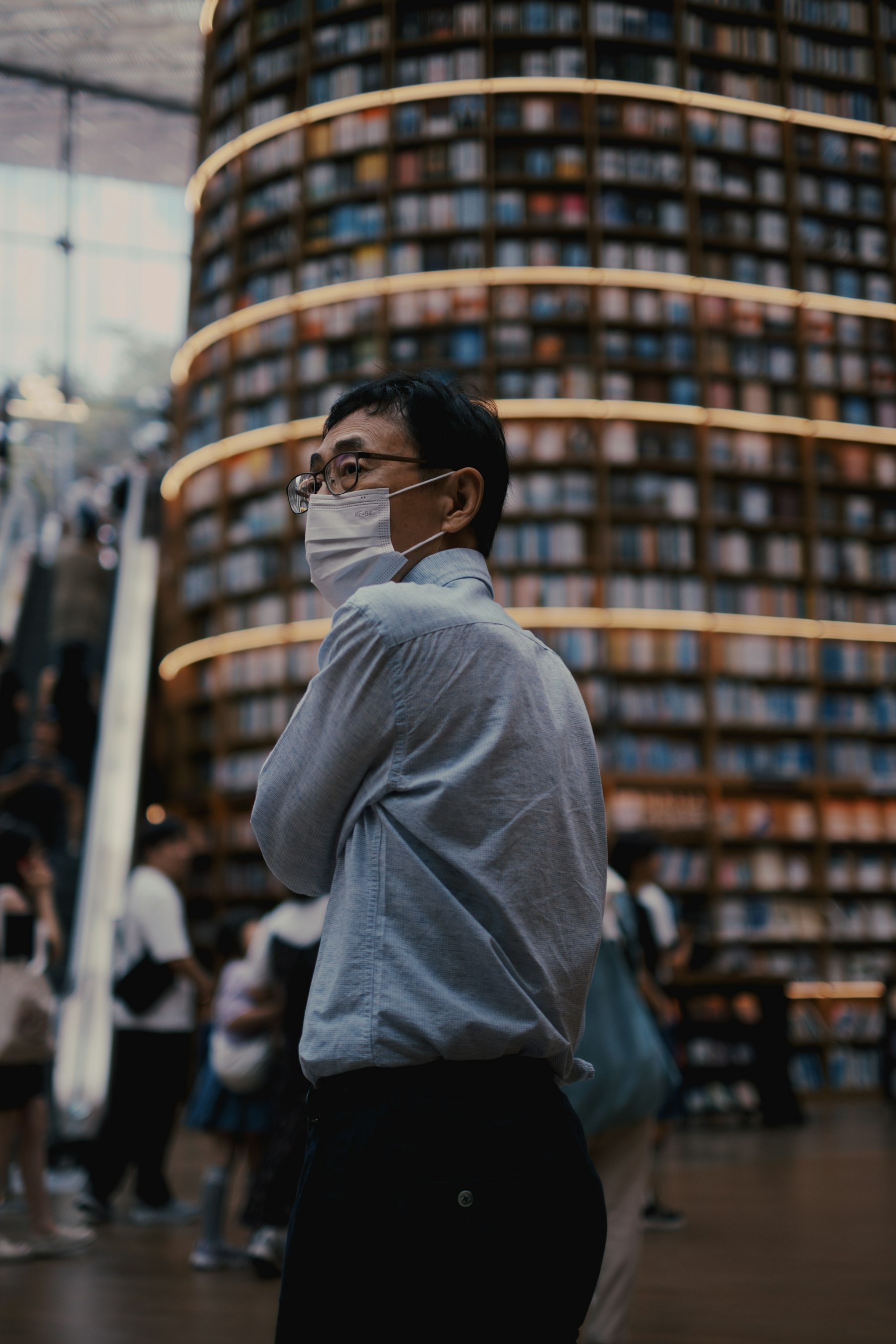
This matters because first-time visitors often make Korea harder by planning too aggressively. They try to fit palaces, shopping streets, markets, cafes, night views, and cross-city routes into one day. The country may be efficient, but your body is not a high-speed train.
Using cafes and convenience stores as natural pauses makes the trip feel calmer. Korea becomes easier when you stop treating every hour as something to optimize.
The Real Difficulty Is Usually Overplanning
The most common Korea travel mistakes are not dramatic. They are small planning errors that stack up.
Visitors often make Korea harder by:
- Relying only on Google Maps when local apps work better for some routes
- Ignoring subway exit numbers
- Planning too many neighborhoods in one day
- Underestimating transfer walks inside large stations
- Carrying luggage through crowded subway routes
- Forgetting that some restaurants have minimum orders
- Assuming every cafe or restaurant opens early
- Underestimating summer humidity or winter wind
- Not checking the last train or bus at night
- Saving only English place names when Korean names are more accurate
None of these mistakes means Korea is too hard. They mean the traveler is using the wrong rhythm.
Korea rewards a practical rhythm: one main area, one backup plan, one rest stop, and enough flexibility to change direction. It is better to understand Myeongdong, Namsan, and one dinner route well than to rush through six neighborhoods and remember none of them clearly.
What to Prepare Before Your First Day
You do not need to prepare everything. You need to prepare the things that reduce friction.
Before arriving, save these:
- Your hotel name and address in Korean and English
- Your airport-to-hotel route
- Two nearby restaurants for your first meal
- The nearest convenience store or cafe around your hotel
- A local map app such as Naver Map or KakaoMap
- A translation app
- Your first sightseeing route
- A backup indoor plan in case of rain or heat
Carry these:
- A physical payment card
- Some Korean won cash
- A transport card or plan to buy one
- A portable battery
- Comfortable shoes
- Weather-appropriate clothing
This is not glamorous advice, but it is the kind that changes the trip. Korea feels much easier when the first hour after arrival is already solved.
What Still Deserves Caution
Saying Korea is easier than it looks does not mean every problem disappears.
Language can still be difficult in smaller restaurants, clinics, older markets, and regional areas. Opening hours can change. Some shops close on irregular days. Some popular restaurants require waiting. Some attractions need reservations. Transport schedules and fare policies can change.
Weather also matters more than some visitors expect. Summer can be hot, humid, and rainy. Winter can be dry, windy, and sharply cold. A route that looks simple on a map can feel very different in August heat or January wind.
There are also moments when a traveler should slow down and verify details. Airport transfers, intercity trains, allergy-sensitive meals, medical situations, visa or entry rules, and late-night routes should not be handled casually.
Korea is convenient, not magic. The goal is not to travel without thinking. The goal is to think about the right things.
Korea Opens Up Through Repetition
The best part of a first Korea trip is the moment when the patterns begin to feel familiar.
You stop being surprised that subway exits matter. You learn which convenience store items help your day. You know when to use a cafe as a reset point. You become comfortable saving Korean place names. You realize that a simple soup restaurant can be easier than a famous viral restaurant. You start leaving space in the day because Korea often gives you something better when you are not rushing.
That is when the country starts to feel less intimidating.
Korea is not easy because it removes every challenge. It is easy because once you learn the basic travel logic, that logic works again and again.
For first-time visitors, that is the most reassuring thing to know. You do not need to master Korea before you arrive. You only need enough preparation to let the first day go smoothly.
After that, the trip teaches you.
FAQ
Is Korea hard to visit for first-time travelers?
Korea can feel unfamiliar at first, but it is very manageable if you prepare a local map app, transport card, translation app, and a realistic first-day route.
Can I travel in Korea without speaking Korean?
Yes, many travelers visit Korea without speaking Korean. English is not available everywhere, so translation apps, saved Korean place names, and simple meal choices help a lot.
Is public transport in Korea easy for foreigners?
Public transport is usually one of Korea's strengths. The key is to check the route, direction, transfer point, and subway exit number instead of only looking at the nearest station.
What makes Korea feel difficult for new visitors?
The most common problems are using the wrong map app, overpacking the itinerary, ignoring station exits, underestimating weather, and not understanding restaurant ordering styles.
What should I prepare before my first Korea trip?
Install Naver Map or KakaoMap, prepare a translation app, save your hotel address in Korean, plan your airport transfer, carry a payment card and some cash, and choose a simple first meal.
Information checked: August 6, 2026. Naver Map language support, public transport card guidance, and airport rail context were checked through official or store-listing sources. App features, transport policies, transfer benefits, and card rules can change.