Why Traveling in Korea Feels Different from Everywhere Else
Korea has a way of staying with you after the trip ends. It may begin with a favorite meal, a neighborhood you only had time to glimpse, or the thought that Seoul felt far bigger than the few places you managed to visit.
That feeling is reflected in the numbers. According to the Korea Culture & Tourism Institute, 54.7% of international visitors surveyed in 2024 had visited Korea before. The reasons are personal, but many travelers seem to share the sense that one trip reveals only the beginning.
Travel Feels Surprisingly Easy to Continue
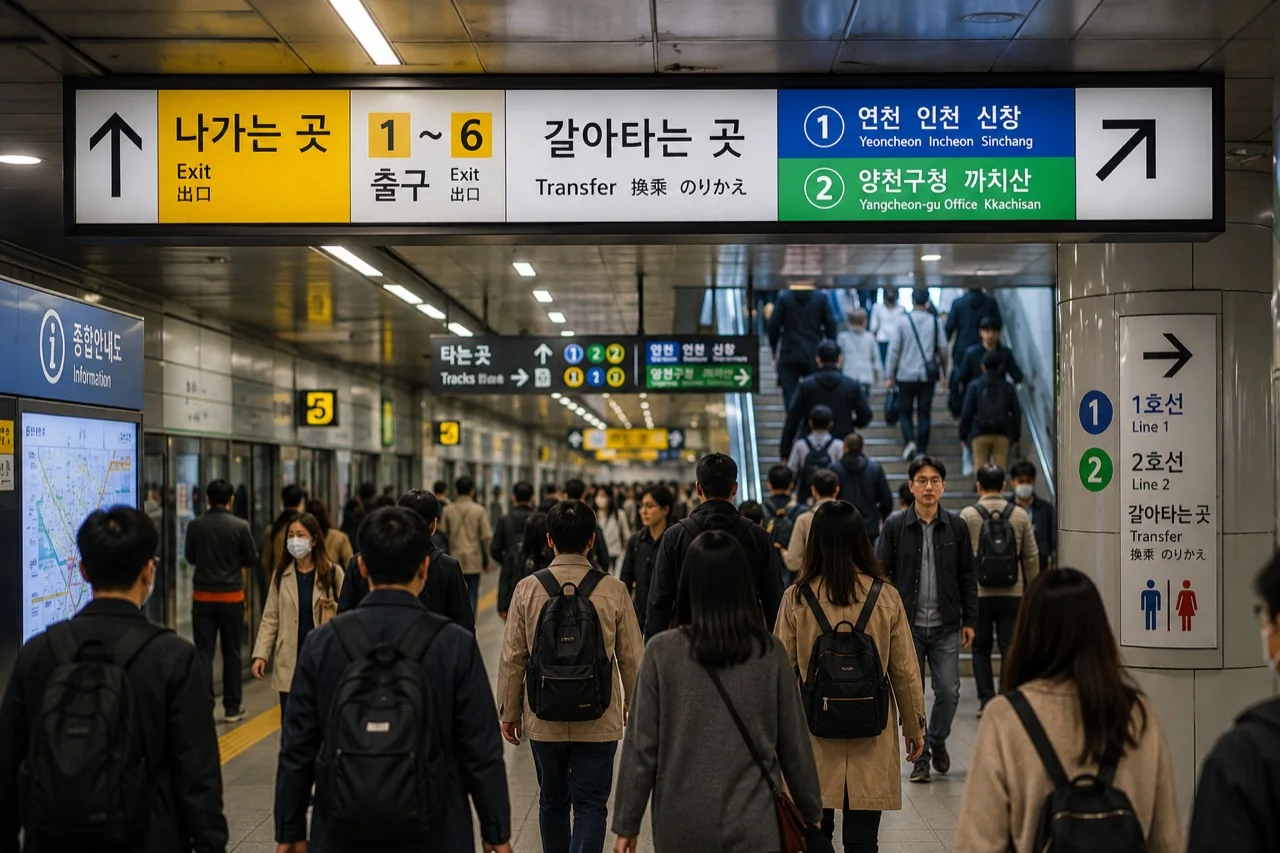
One of Korea's quieter strengths is how naturally the pieces of a trip connect. Metropolitan subway systems serve Seoul and several other major cities, while KTX trains, conventional rail services, and express buses make it practical to add another destination without rebuilding your entire itinerary.
A transport card works across buses and subways in many parts of the country. Stations use color-coded routes and transfer signs, and convenience stores are useful for everything from quick breakfasts to transport-card top-ups. None of these details is a headline attraction, but together they give the trip an easy rhythm.
When less energy goes into solving basic logistics, more of it can go into noticing the place itself: the view from a train, an unexpected market near a station, or a neighborhood you decide to explore simply because getting there feels manageable.
Food Becomes Part of the Way You Travel
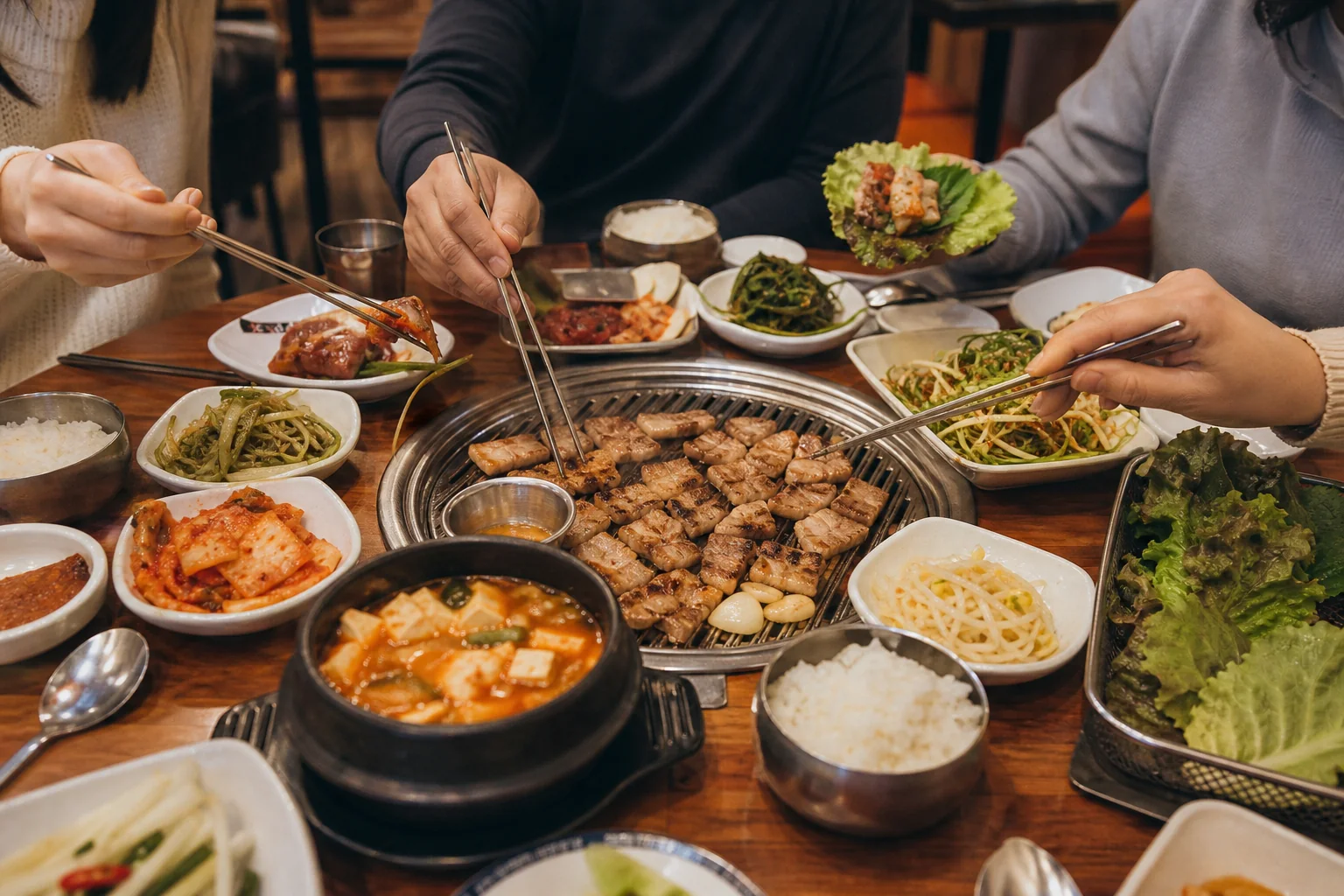
In Korea, food rarely feels separate from the rest of the journey. It connects the hours of the day, the neighborhoods you visit, and often the people around the table.
A shared barbecue meal invites everyone to cook, wrap, pass, and taste. A traditional market reveals what local residents buy and eat. A small neighborhood restaurant may be remembered as clearly as a palace or museum. Even a late-night convenience-store stop can become part of the travel story.
The variety also gives travelers a reason to keep moving. Busan's dwaeji gukbap, Jeonju's bibimbap, and Jeju's black pork are more than items on a food checklist; they connect flavor with place. A dish you loved can easily become the reason for planning another city.
Seoul Keeps Changing from Neighborhood to Neighborhood
Seoul is difficult to reduce to a single personality. The city has 25 autonomous districts, and within them are neighborhoods that can feel remarkably different from one another.
Jongno brings palaces, hanok architecture, and layers of history. Hongdae and Yeonnam-dong are shaped by youth culture, music, and independent shops. Gangnam presents a polished, high-rise side of the city, while areas such as Seongsu and Euljiro show how older industrial spaces can take on new creative lives.
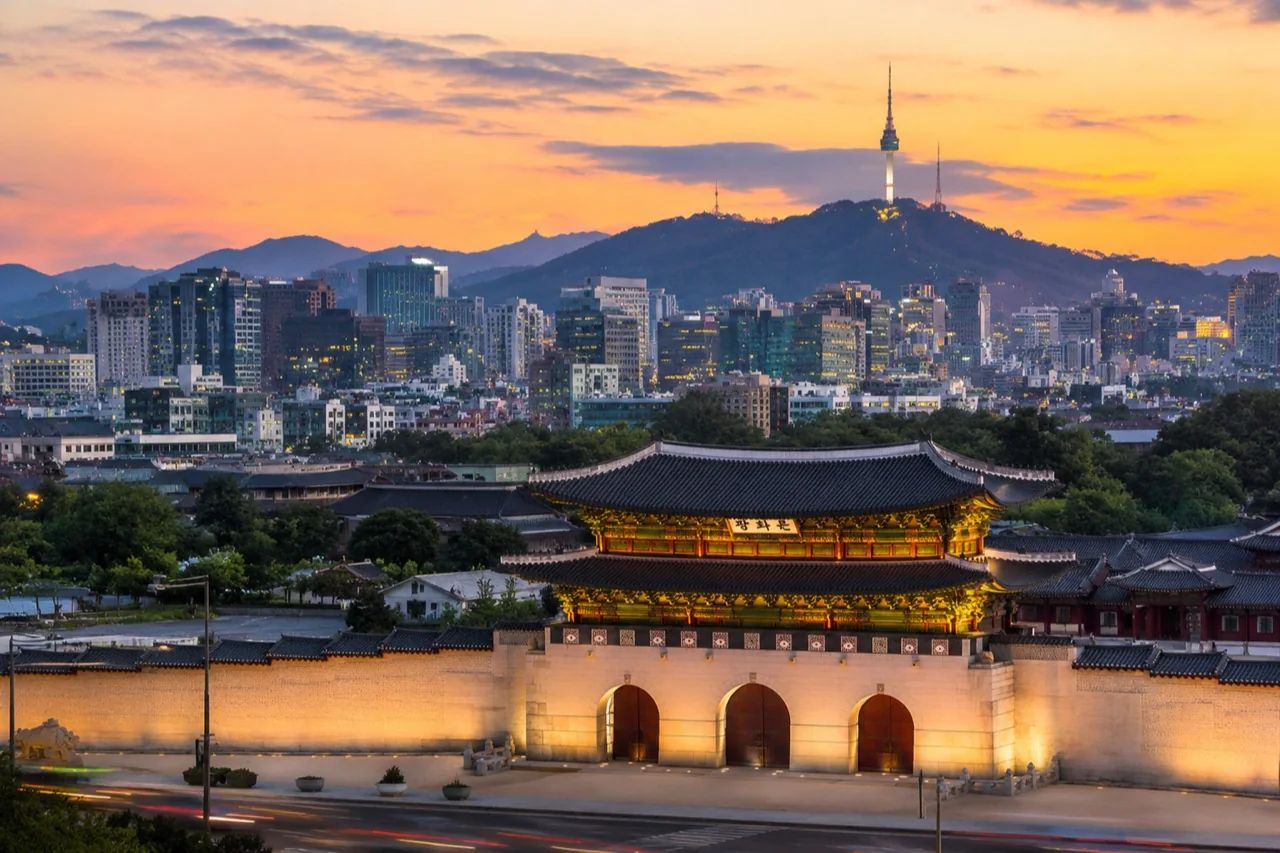
On a first visit, it makes sense to begin with Gyeongbokgung Palace, Myeongdong, and Namsan. On a return trip, the pleasure often comes from slowing down in Seochon, Mangwon, Mullae, or along a quieter stretch of the Han River. The first trip introduces the Seoul everyone knows. Later trips help you find the Seoul that feels like yours.
Old and New Korea Share the Same View
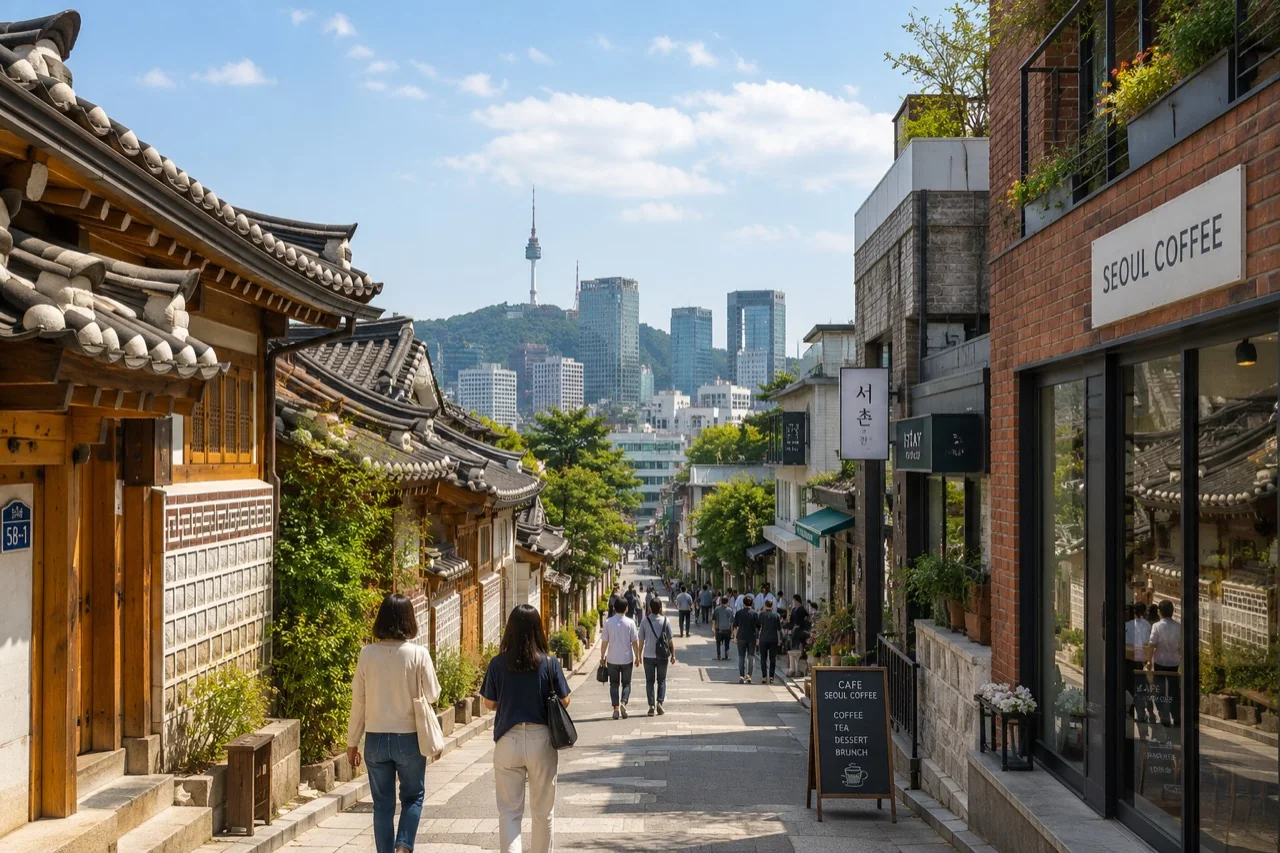
Tradition and modern life are not kept in separate corners of Korea. They frequently appear in the same walk, sometimes within the same frame.
You can leave a royal palace and arrive in a contemporary shopping district by subway. A hanok alley may lead toward an art gallery or a modern cafe. Around older markets, new shops and creative spaces continue to appear without completely erasing what came before.
The contrast extends beyond Seoul. In Gyeongju, ancient Silla heritage sits beside an energetic modern city. In Busan, traditional markets and port history meet high-rise coastal neighborhoods. This closeness between different eras gives Korea a visual character that continually rewards curiosity.
Korean Culture Opens the Door, but the Country Is Larger
K-pop, dramas, films, food, and beauty culture are powerful introductions to Korea. In the 2024 foreign tourist survey, 38.3% of respondents said Korean Wave content had sparked their interest in the country—the largest share among the listed influences.
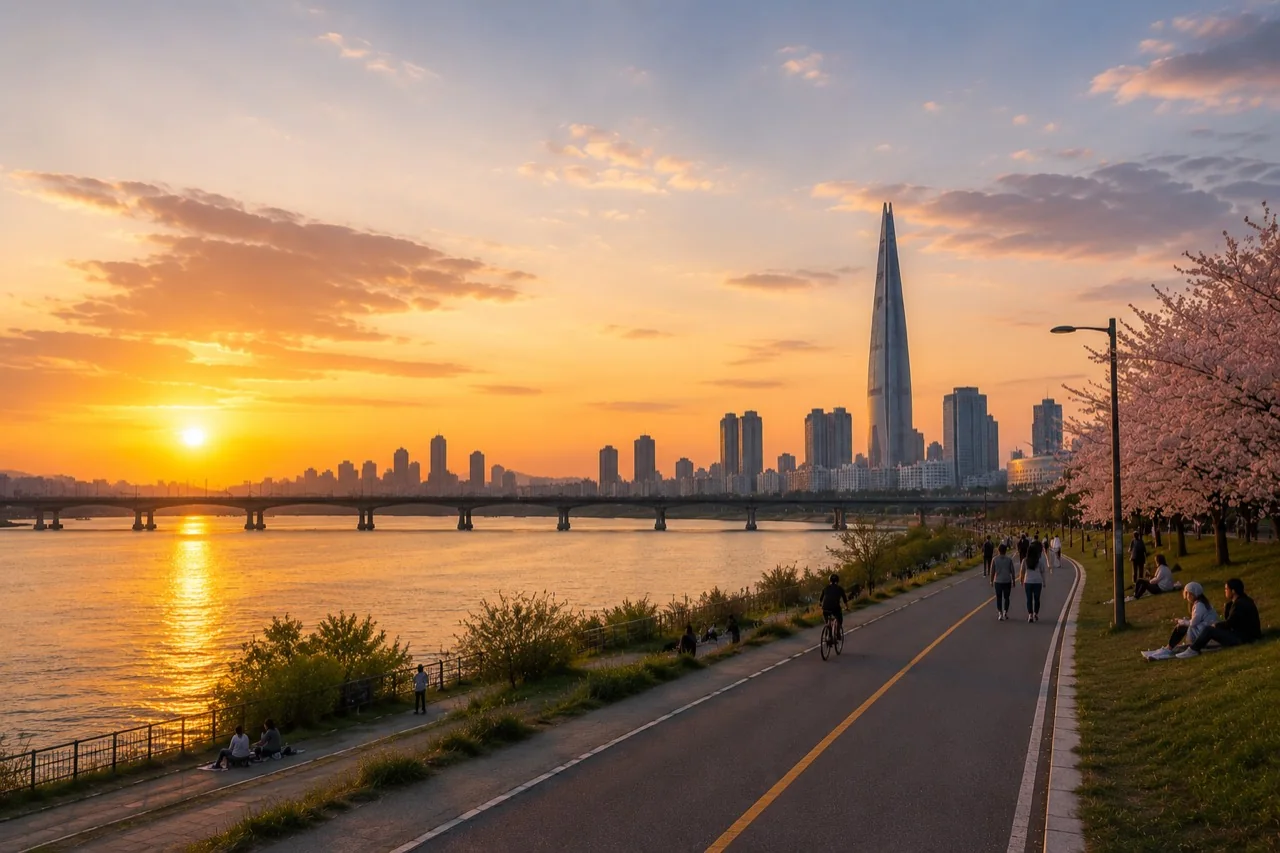
Visiting a place first encountered on screen can be exciting. Yet the memories that last are often found outside the polished image: an early-morning market, families spending an evening beside the Han River, streets changing with the seasons, or a regional city moving at a different pace from Seoul.
Korean popular culture may provide the first reason to visit. Everyday Korea often provides the reason to return.
Each Return Trip Becomes More Personal
The first visit is usually about meeting the Korea you have heard about. You see the major palaces, taste the famous dishes, and visit places connected to familiar music, films, or television.
The next visit feels different. You return to a neighborhood you liked, seek out a meal you missed, or travel beyond Seoul. Changing the season can transform the experience again: cherry blossoms in spring, coastal evenings in summer, autumn foliage, or the clear cold light of winter.
What makes traveling in Korea feel different is not one perfect attraction. It is the way convenient movement, shared food, distinctive neighborhoods, history, and contemporary culture fit together while leaving room for personal discovery.
On your first trip, you meet the Korea everyone knows. When you return, you begin to find your own.
Sources: Korea Culture & Tourism Institute, 2024 Foreign Tourist Survey highlights; Seoul Metropolitan Government, City Overview. Statistics checked June 25, 2026.