Cash or Card in Korea? A Practical Payment Guide for Travelers
Understand when cards work, when cash still helps, why transport cards are separate, how to avoid payment failure, and what to set up on arrival
Korea is card-friendly, but travelers still need a physical card, small cash backup, and transport card plan. This guide explains where payment problems happen.
Korea is very card-friendly, but that does not mean you should arrive with only a phone wallet. The practical setup is simple: one physical card that works overseas, a small amount of Korean won, and a separate transport card plan for subway and buses.
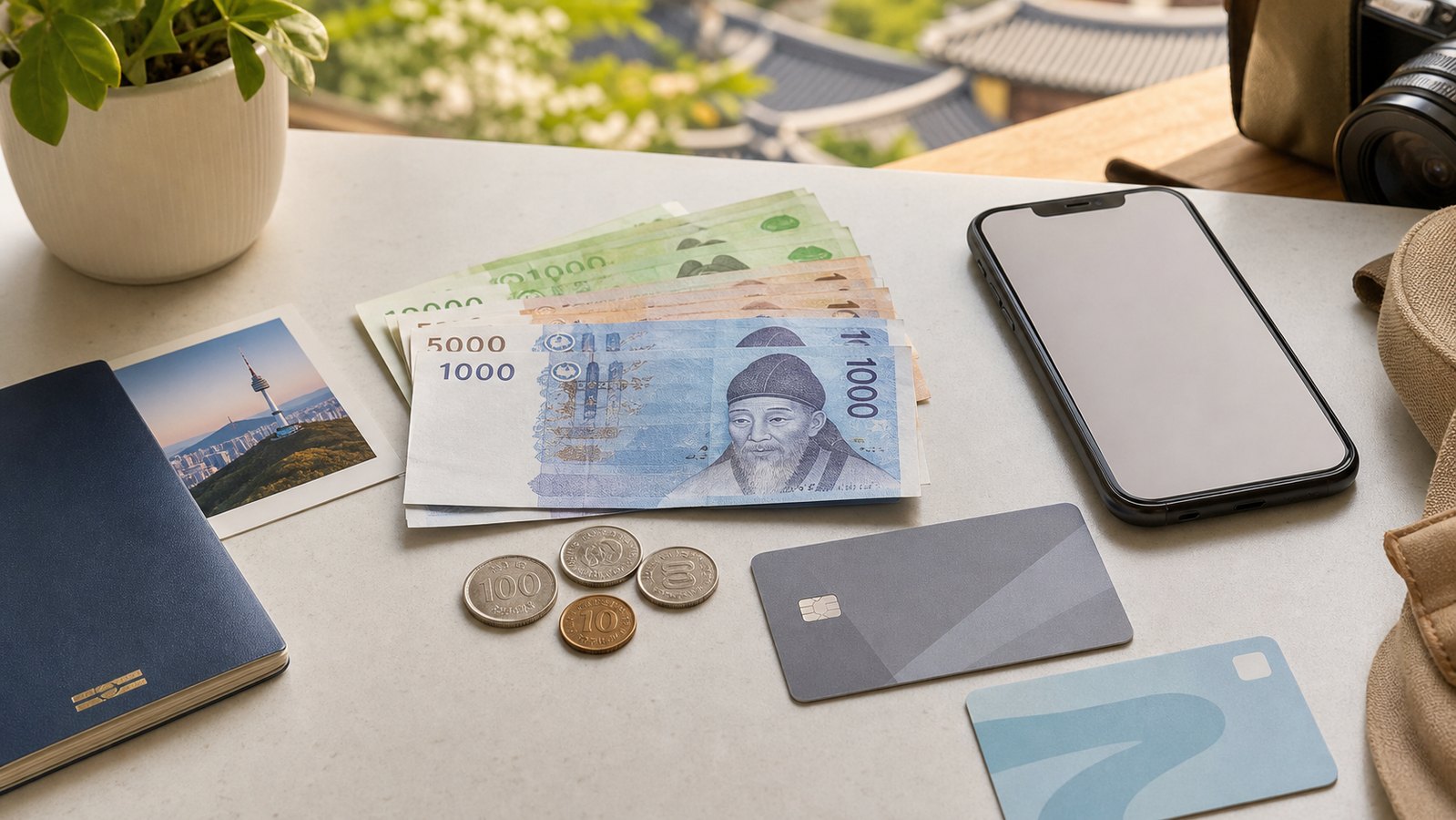
Use Card First, But Keep Cash for Gaps
Cards work in many restaurants, cafes, shops, hotels, convenience stores, and ticket counters. Problems are more likely at small market stalls, older machines, some kiosks, cash-only services, or when a foreign card does not cooperate with a terminal.
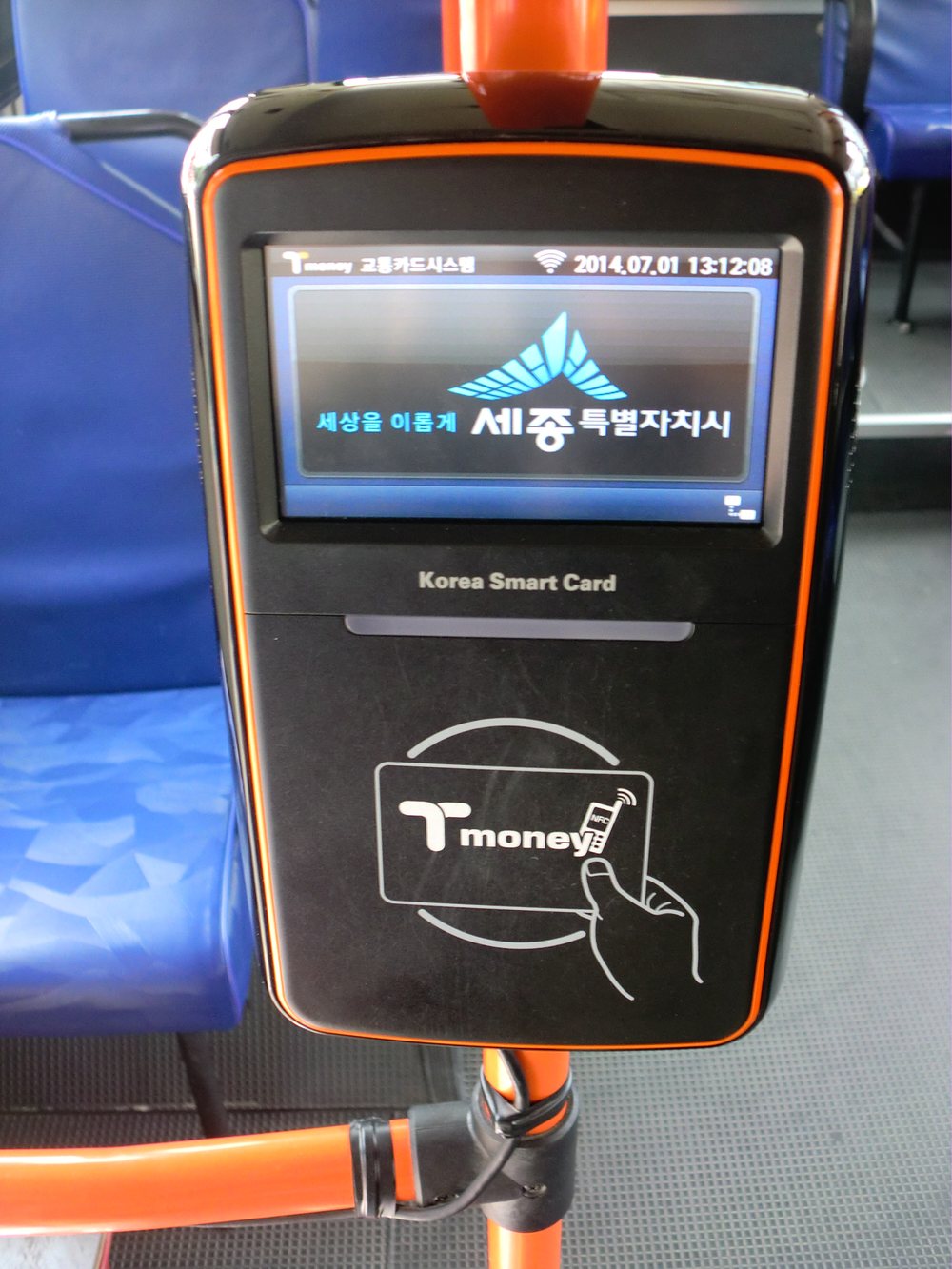
T-money Is Not the Same as Your Credit Card
Do not assume your overseas credit card automatically works as a subway card. Many travelers still use a rechargeable transport card or visitor-friendly payment card. Keep your transport setup separate from your restaurant and shopping payment setup.
Where Payment Problems Commonly Happen
- Small food stalls or traditional markets
- Some self-order kiosks
- Taxi payment when a foreign card fails
- Transport card recharge machines that do not accept your card
- Dynamic currency conversion prompts asking whether to pay in your home currency
Arrival Setup
After landing, make sure you can pay for transport before leaving the airport. If you plan to use AREX, subway, bus, or taxi, check whether you need a ticket, transport card, cash, or card payment. If you are tired, do the simplest setup first and solve optimization later.
How Much Cash?
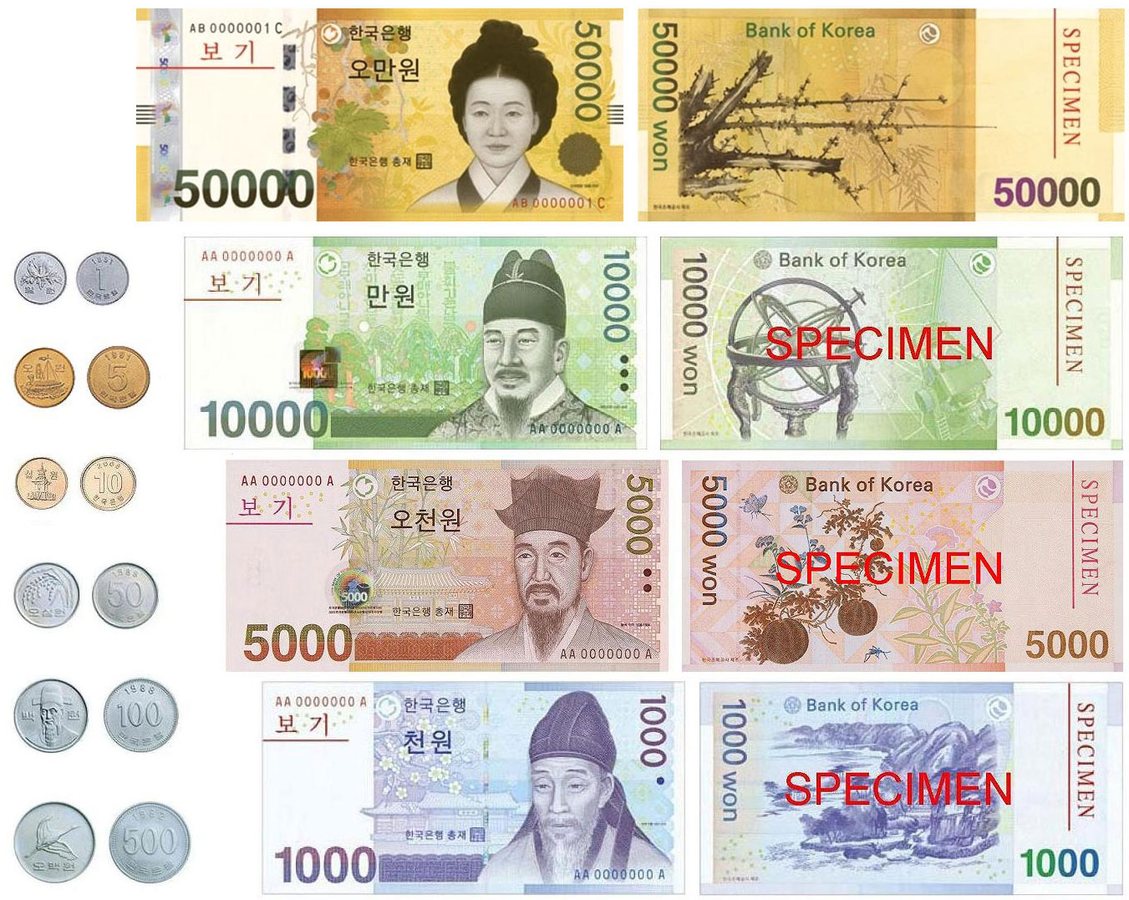
You do not need to carry a large amount of cash for ordinary city travel. A small backup is useful for markets, transport-card recharge, emergencies, or card failure. Keep most spending on card when it works, and avoid changing large amounts without comparing rates.
Common Mistakes
- Arriving with only mobile payment and no physical card.
- Assuming a credit card replaces a transport card.
- Choosing home-currency payment instead of Korean won without checking fees.
- Carrying too much cash instead of using cards for normal purchases.
- Having no backup when a kiosk rejects a foreign card.