Bulguksa Temple and Seokguram Grotto Guide: How to Visit Both Without Rushing
Plan the UNESCO pair with realistic transport, uphill transfer time, visit order, temple etiquette, and Gyeongju route pairings
Bulguksa and Seokguram are a classic Gyeongju pair, but they are not one simple stop. Plan transport, time, and route order before you go.
Bulguksa Temple and Seokguram Grotto are often introduced together because they share UNESCO World Heritage status, but travelers should plan them as two linked stops. Bulguksa is a temple complex at the foot of Tohamsan. Seokguram is farther uphill. The cultural connection is close; the physical visit takes more planning.
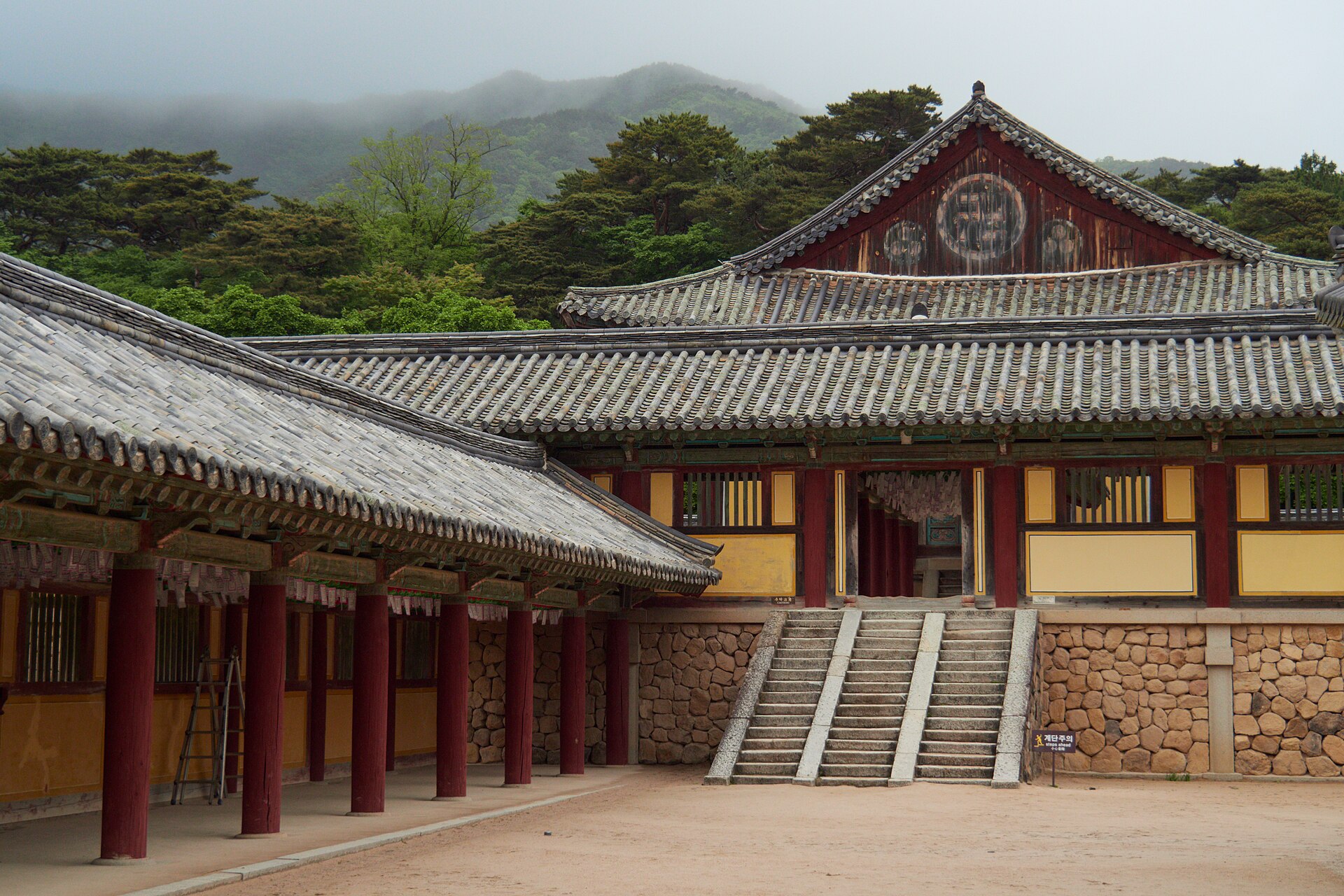
The Main Decision: Visit Both or Only Bulguksa?
Choose both if you have a half day, care about UNESCO heritage, and can handle the extra transfer to Seokguram.
Choose only Bulguksa if you are short on time, traveling with tired children, or relying on buses with a tight schedule.
Choose Seokguram only only if you already understand the transport and specifically want the grotto experience. For most first-time visitors, Bulguksa is the easier anchor.
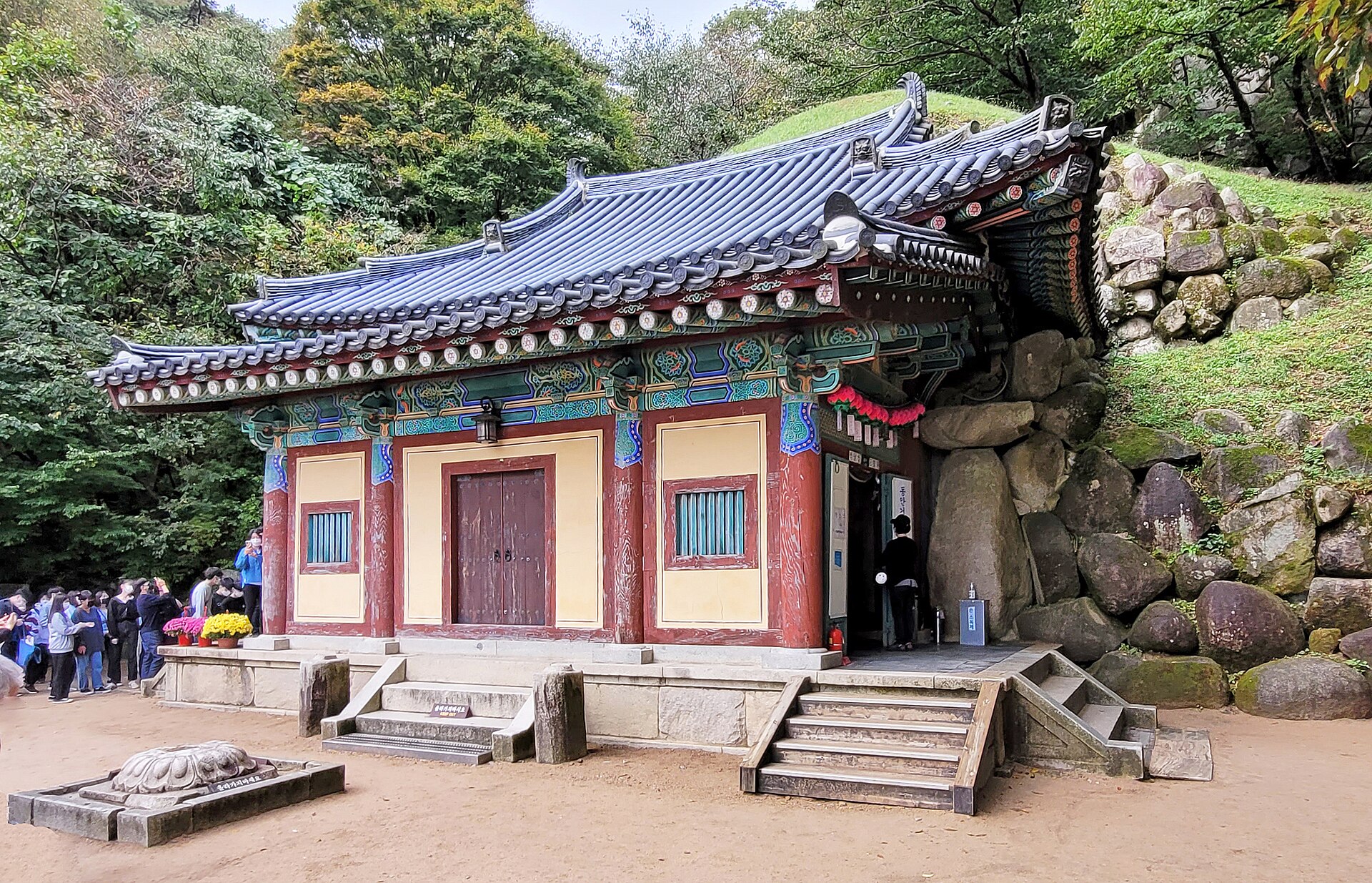
Why the Transfer Matters
Seokguram is not a small side room inside Bulguksa. It requires an additional uphill trip by bus, taxi, or car from the Bulguksa area, plus walking from the Seokguram entrance area. If you miss a bus or arrive near closing time, the plan can become stressful quickly.
Recommended Order
Most visitors should start with Bulguksa, because it gives a broader temple context and is easier to reach. After that, decide whether you still have time and energy for Seokguram. If Seokguram is your main reason for the trip, go earlier in the day so transport delays do not push you against closing time.
How Much Time to Allow
For Bulguksa alone, allow about 1 to 2 hours depending on your pace. For Bulguksa plus Seokguram, plan a half day rather than squeezing both between lunch and another distant attraction. Official Gyeongju tourism information lists seasonal operating hours and admission details for Seokguram, so confirm the current schedule before committing to a late-afternoon visit.
Public Transport vs Taxi
Public buses can connect central Gyeongju, Bulguksa, and Seokguram, but frequency and routing can change. If your trip is short, a taxi or rental car gives more control, especially for the uphill Seokguram segment. If using buses, check the return route before entering the site, not after you finish.
What to Notice at Bulguksa
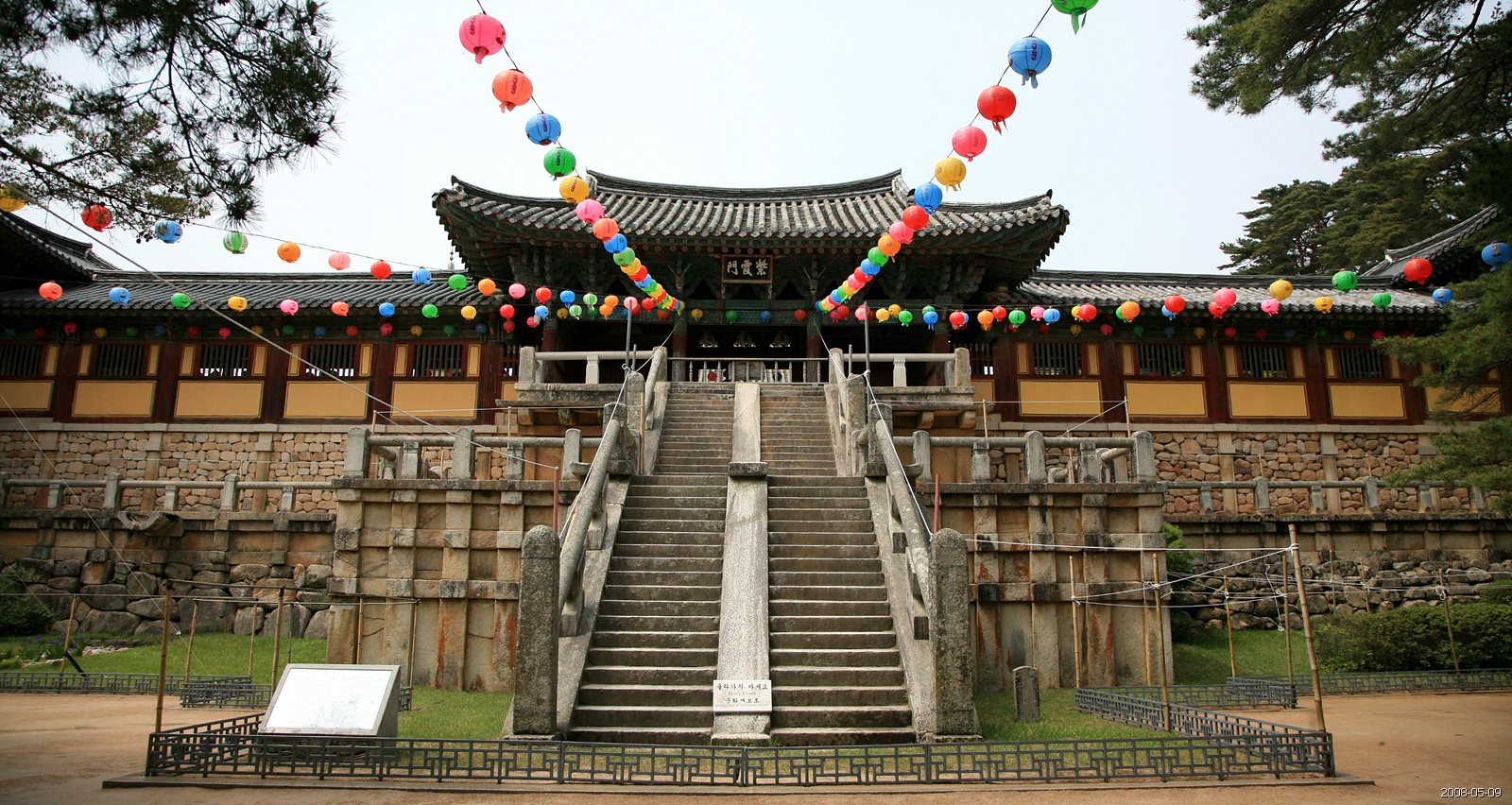
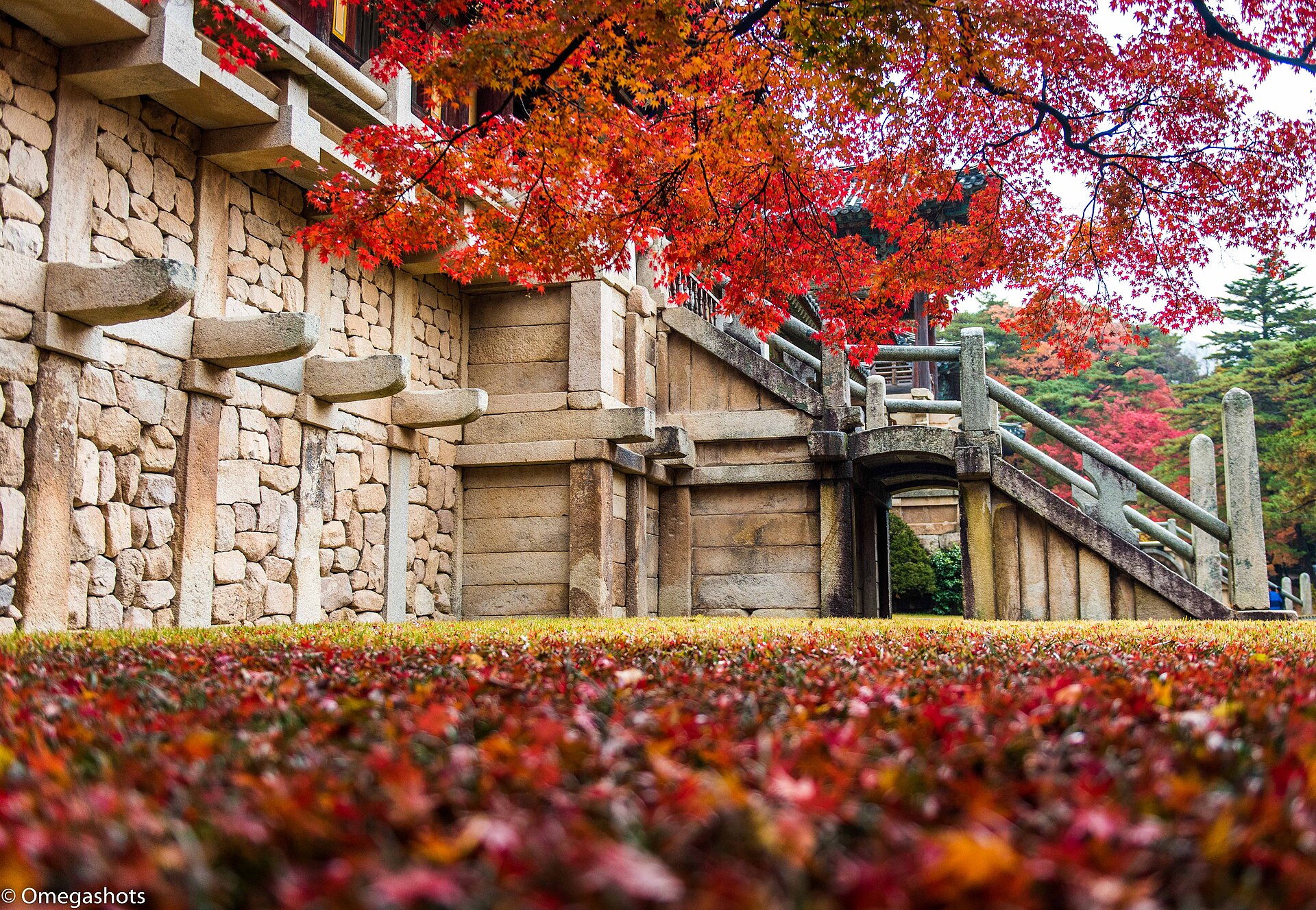
Do not rush directly to the central courtyard. The stone bridges and stairways, gates, pagodas, and layered courtyards are part of the experience. The site is not only a photo stop; it is a place where architecture, slope, and movement are linked.
Etiquette and Practical Cautions
Bulguksa is an active temple environment. Keep voices low, avoid blocking worshippers, and follow photography rules. At Seokguram, the grotto interior is culturally sensitive and visitor rules can be strict. Follow current on-site signs even if old travel blogs describe different conditions.
Route Pairings
Half day: Bulguksa -> Seokguram -> return to central Gyeongju.
Full day: central Gyeongju in the morning, Bulguksa and Seokguram in the afternoon, then Donggung and Wolji at night only if energy and timing work.
With Bomun: Bulguksa or Seokguram can pair with Bomun Lake more naturally than with a long walk through central Gyeongju.