Daereungwon, Cheomseongdae, and Hwangnidan-gil: Central Gyeongju Walking Route
Plan Gyeongju's easiest central route with royal tombs, Cheomseongdae, Hwangnidan-gil snacks, cafes, and evening options
Connect Daereungwon, Cheomseongdae, and Hwangnidan-gil as a flexible central Gyeongju walk, with snack stops and timing choices.
This is the Gyeongju route that first-time visitors should understand before trying to do everything. Daereungwon, Cheomseongdae, and Hwangnidan-gil sit close enough to work as one walking area, but each serves a different purpose: royal tombs, historic landmark, and food-cafe break.
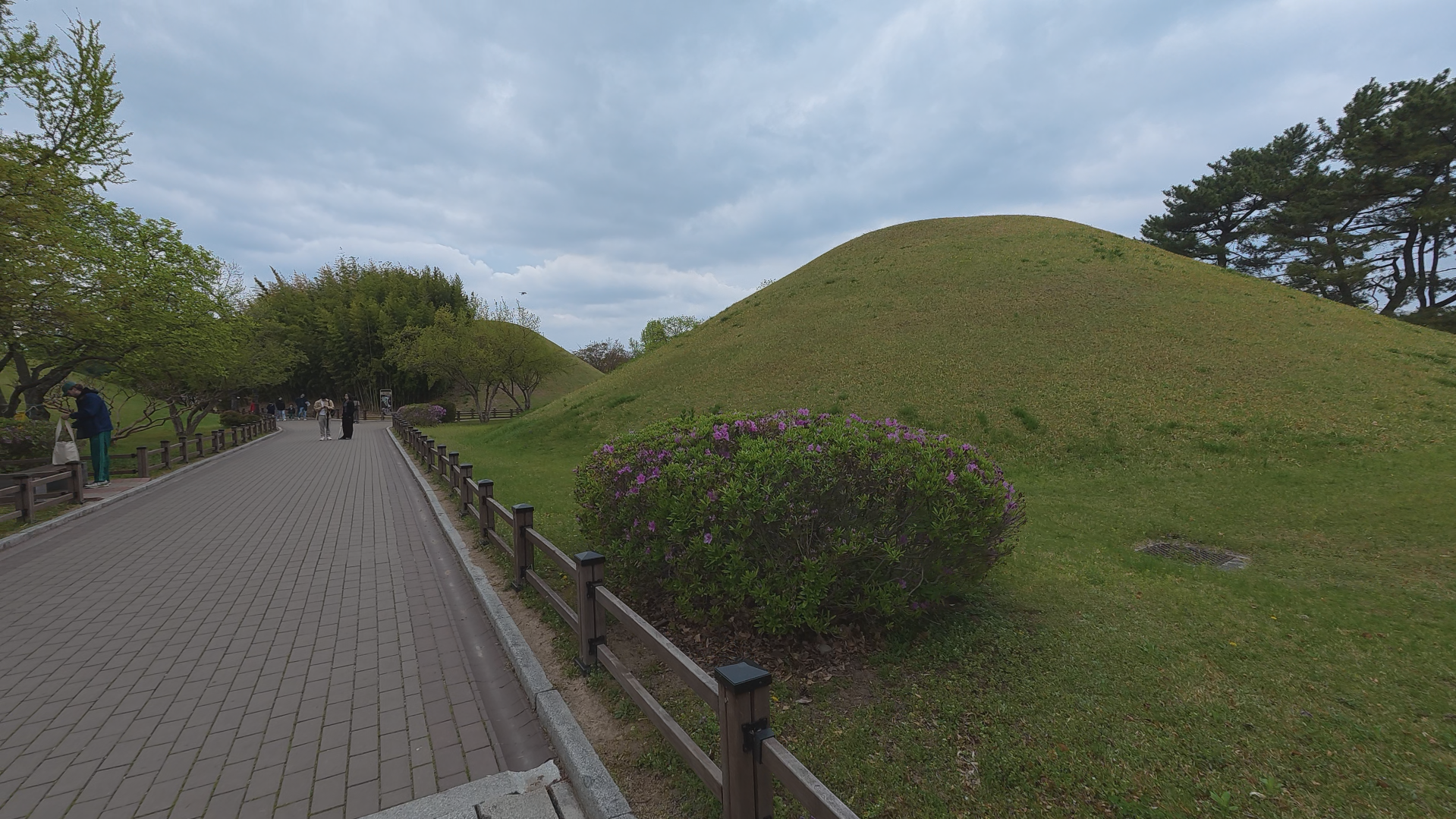
Use This Route as Your Central Gyeongju Anchor
Use Bulguksa and Seokguram for the outer heritage route. Use Bomun Lake for resort-style rest. Use this Daereungwon and Hwangnidan-gil route when you want Gyeongju's city-center atmosphere without complicated transport.
Recommended Walking Order
Daereungwon -> Cheomseongdae -> Hwangnidan-gil works well if you want history first and food later. Reverse the order if you arrive hungry or want cafes before walking. Keep the route flexible; the value is the walk between stops, not only the individual landmarks.
Daereungwon: Slow Down Inside the Tomb Park
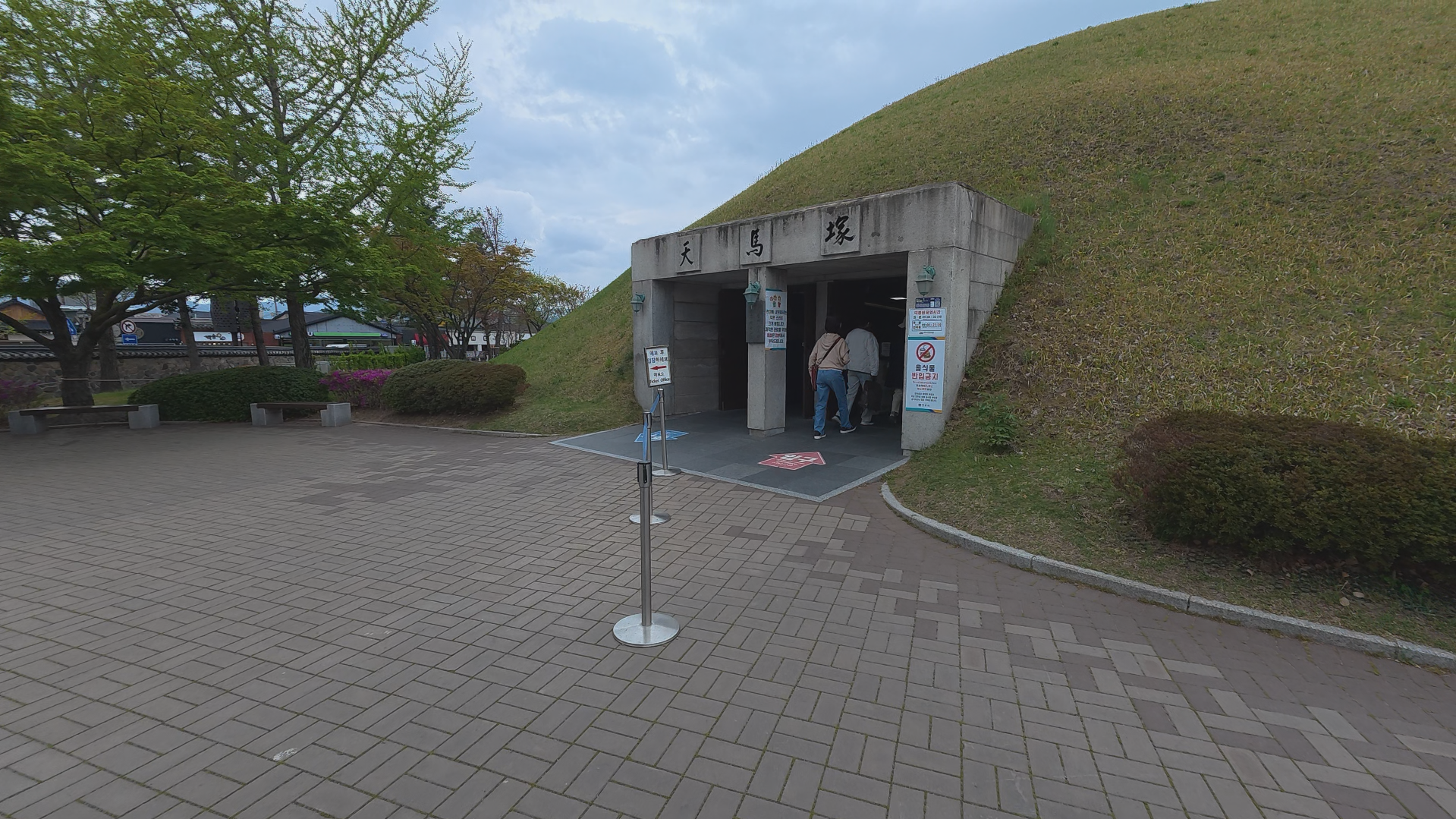
Daereungwon is not only a photo spot with grassy mounds. Give it enough time to walk the paths, understand the scale of the royal tombs, and decide whether you want to enter Cheonmachong if it is open during your visit. If the park is crowded, move slower rather than trying to force a clean photo at every mound.
Cheomseongdae: Best as a Short Landmark Stop
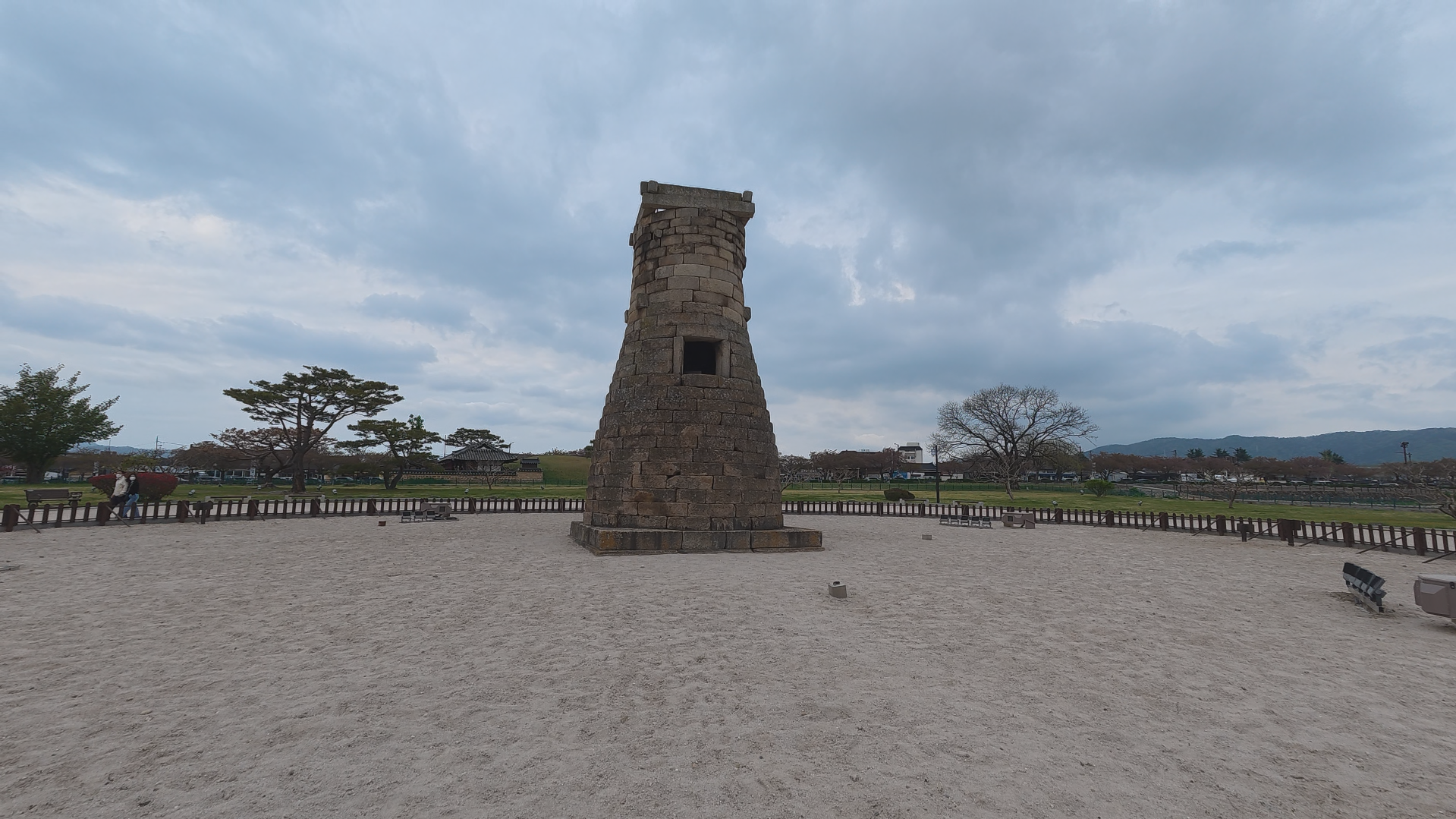
Cheomseongdae is one of Korea's most recognizable ancient structures, but the visit itself is usually short. It works best as a midpoint between the tomb area and nearby walking paths. Do not schedule it as a long standalone attraction unless you are pairing it with nearby fields, Wolseong, Gyochon Village, or evening lights.
Hwangnidan-gil: Food Break, Not Just Photo Street
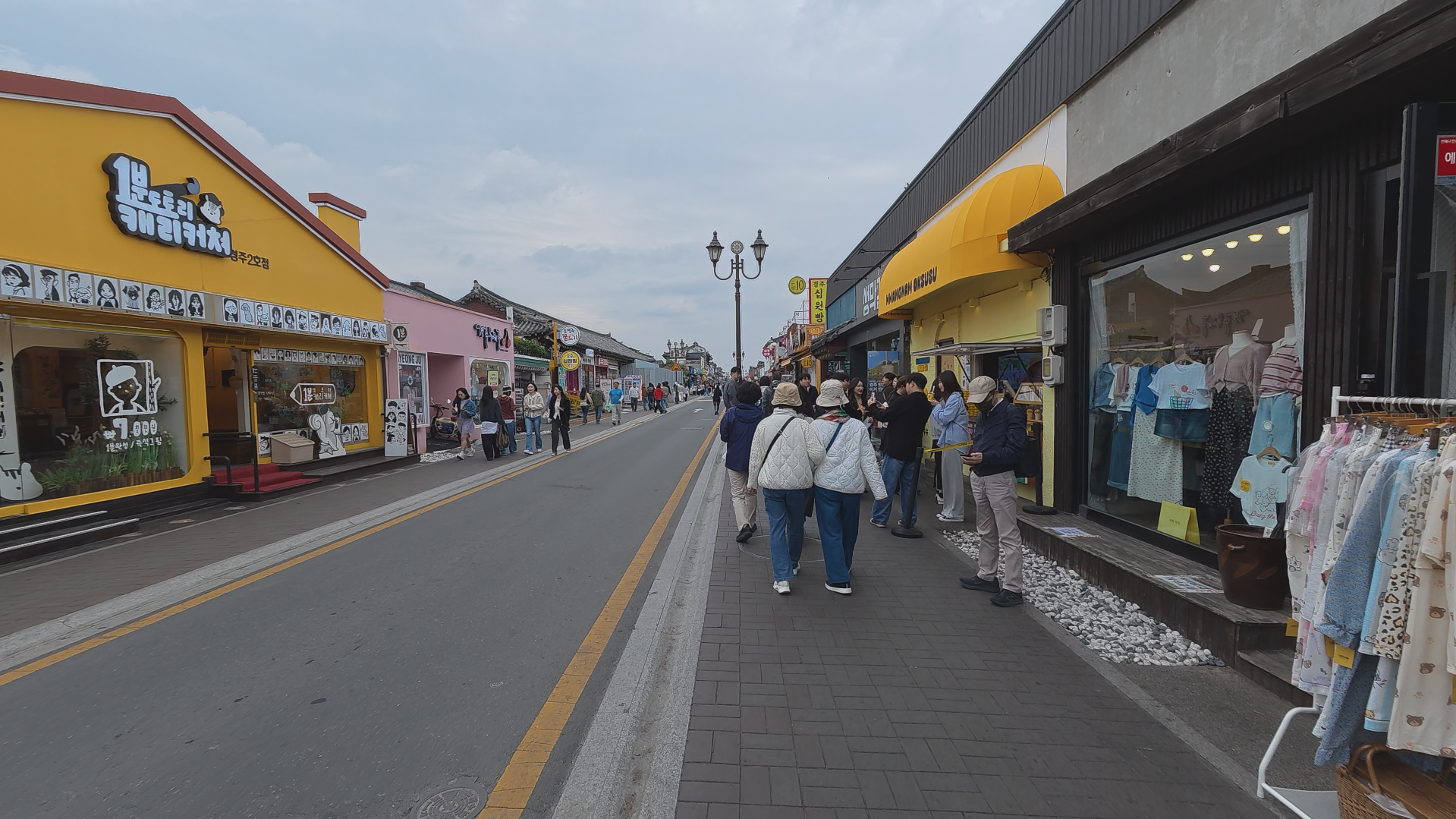
Hwangnidan-gil gives the route its modern travel rhythm. It is where many visitors pause for snacks, cafes, casual restaurants, and small shops after the heritage walk. Popular snack ideas include 10-won bread, jjondigi, Hwangnam corn, ice cream, and bakery items. These are not required foods; use them as an easy way to rest between historic stops.
How Long to Allow
For a quick version, allow about 2 hours and keep Hwangnidan-gil to one snack or drink stop. For a relaxed version, allow 3 to 4 hours with Cheonmachong, photos, a cafe, and dinner. If you are adding Donggung and Wolji at night, avoid spending all your energy in Hwangnidan-gil before sunset.
Day and Evening Strategy
Daytime is better for reading the landscape and seeing the tombs clearly. Late afternoon into evening is better if you want Hwangnidan-gil food and then a night-view route toward Donggung and Wolji. Cheomseongdae can work in either slot, but check current lighting and site conditions before building a night-only plan around it.
What to Skip If the Day Is Running Late
If you are behind schedule, do not cut the walking route into tiny photo jumps. Instead, choose Daereungwon plus Hwangnidan-gil, or Cheomseongdae plus Hwangnidan-gil. Save deeper palace-field or night-view additions for another slot.