Gyeongju Gyochon Village Guide: Hanok Walks and Sunset
Choose a relaxed village walk or a cultural activity, then time your visit for late-afternoon hanok scenery and a sunset stop near Woljeonggyo.
Plan a Gyeongju Gyochon Village visit with hanok walks, heritage stops, activity booking tips, and a late-afternoon stroll to Woljeonggyo Bridge at sunset.
Gyeongju Gyochon Traditional Village suits travelers who want hanok streets and a closer look at the city's cultural life. For scenery and photographs, try a late-afternoon village walk followed by Woljeonggyo Bridge around sunset. If you also want to enter historic buildings or join an activity, arrive earlier according to the individual venue's hours.
Choose Between a Village Walk and a Cultural Activity
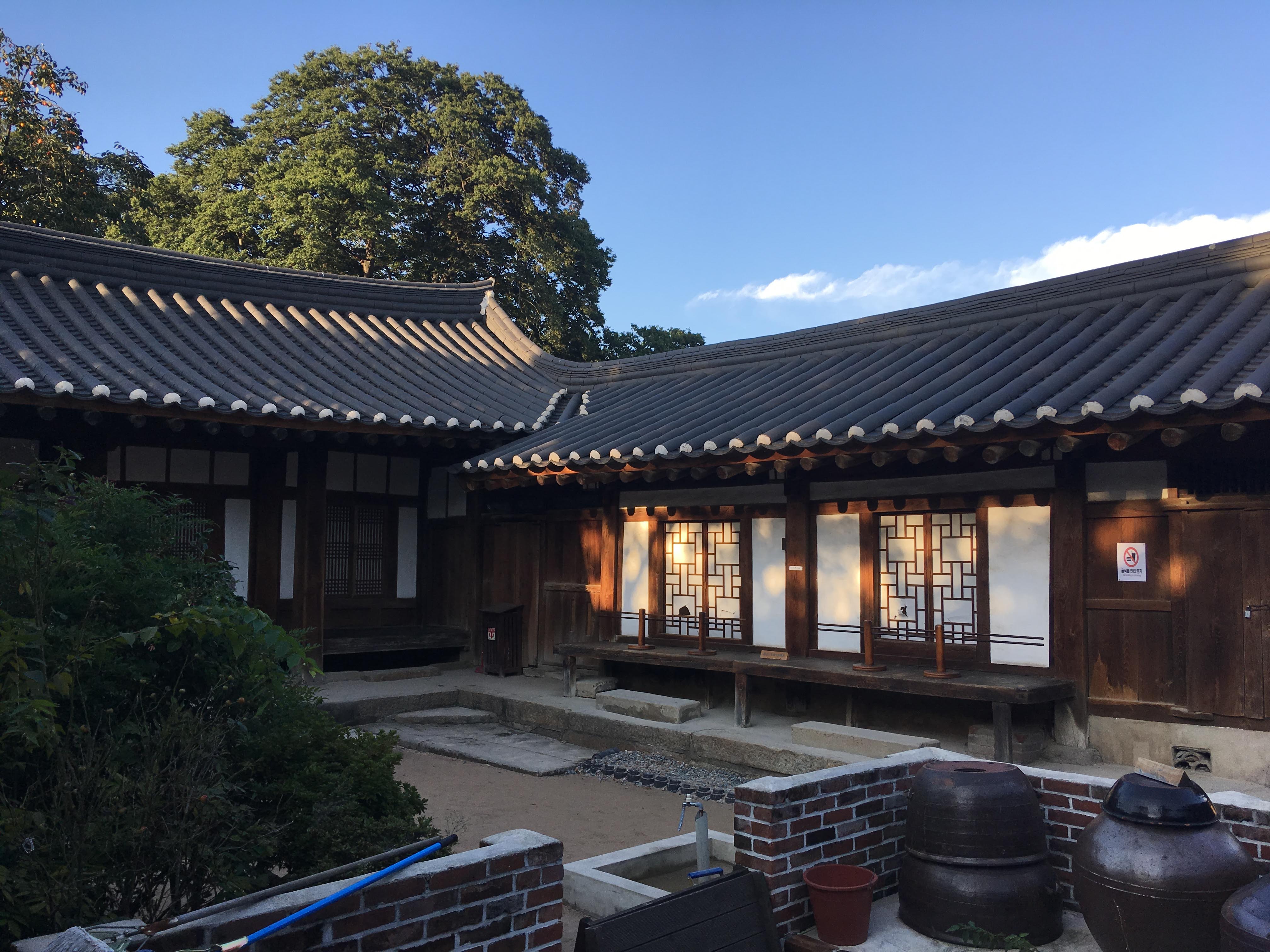
Gyochon brings together historic places such as the House of the Gyeongju Choi Clan and Gyeongju Hyanggyo, alongside activity spaces and places to eat or drink. Hanok are traditional Korean houses. Reading what each building was used for gives a village walk more context than treating every roof and courtyard as a photo backdrop.
Decide whether your priority is photography, historic buildings or a hands-on activity. For an activity, secure an available session before fitting the walk around it. For a short stroll, you can keep the itinerary flexible. The official village website provides maps, heritage information and activity listings.
| Your priority | Focus on | Planning point |
|---|---|---|
| Hanok streets | Lanes and building exteriors | Street access does not mean every building is open. |
| Historic places | Choi Clan house and Gyeongju Hyanggyo | Check which areas are open on your date. |
| Cultural activities | A chosen hanbok or craft activity | Confirm availability, booking and duration. |
| Scenery and photographs | Late-afternoon village walk, then Woljeonggyo around sunset | Check sunset and weather; allow time to get home. |
- Make either walking or an activity the main purpose of the visit.
- Read each building's access signs before entering.
- Without a confirmed activity booking, plan around streets and exteriors.

Use the Choi Clan House and Hyanggyo as Your Main Stops
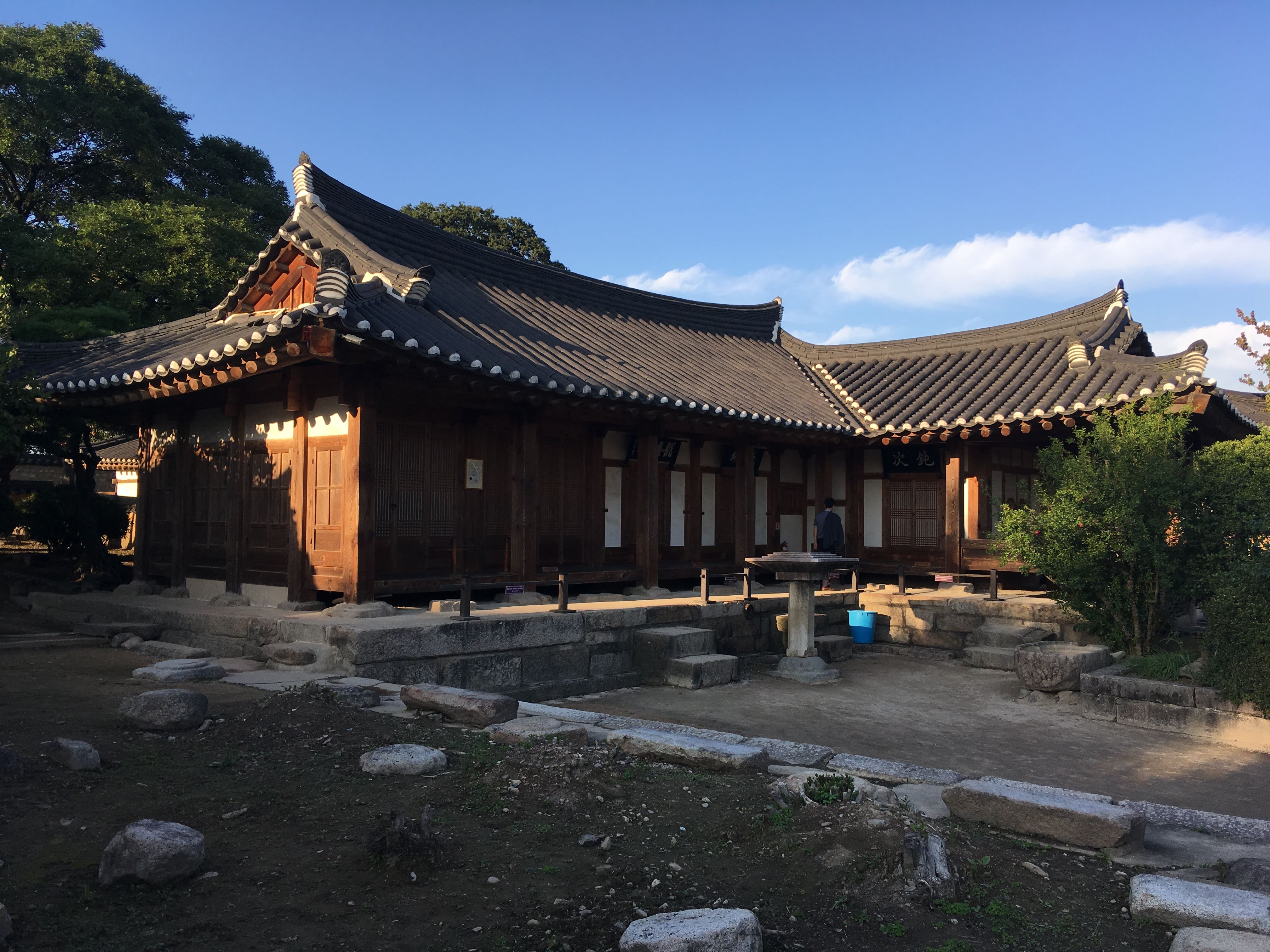
The House of the Gyeongju Choi Clan, often called the wealthy Choi family's house, and Gyeongju Hyanggyo give you two distinct points of interest. A hyanggyo is a traditional Confucian school associated with education and rites. Thinking about residential and educational uses helps distinguish the buildings rather than viewing them all as similar old houses.
Save the individual places in your map app, not only the village name. A pin for the center of a village is not necessarily the entrance to the building you want. Follow on-site access instructions and stay within public areas if a gate or interior is closed.
For a short visit, you can focus on exteriors and interpretation signs. If seeing inside a particular building is the reason for your trip, confirm access before cutting another attraction from your day. An exterior-only stroll may not match what you hoped to see.
- Save your specific stops as well as the village location.
- Photograph and explore only within the areas open to visitors.
- Check date-specific access if an interior visit is essential.

Budget Walking, Breaks and Activities Separately
For a short walk through the lanes and around key building exteriors, about 60-90 minutes is a useful starting allowance. This is an editorial planning suggestion, not an official duration or measured walking time. Your pace, photographs and time reading signs will change it.
One approach is to check the village map, visit the buildings that interest you, and use the remaining time for the lanes. If you have a particular cafe in mind, add time for ordering and any wait. A walk with a cafe break needs a different allowance from a walk alone.
For an activity day, start with the operator's actual session duration and add walking and travel around it. Avoid assuming that two hours will cover everything before the activity length is known. With children, one chosen activity can provide the focus without filling the afternoon with consecutive bookings.
- Use 60-90 minutes as a flexible allowance for a short walk.
- Add meals, cafe stops and activities separately.
- Adjust the walk around any fixed reservation time.
Confirm the Details Before Booking Hanbok or Crafts
The official village site lists hanbok rental, pottery-related activities, traditional food and tea experiences. A listing alone does not establish that a session is currently operating or accepts walk-ins. Some information and notices are older, so confirm current arrangements directly before making an activity central to your trip.
For international visitors, useful questions include the instruction language, whether individuals can join, minimum group size and total duration. For a craft session, ask whether you can take the finished piece away that day. If understanding detailed instructions matters, establish whether English guidance is available before choosing the activity.
For hanbok, traditional Korean clothing, check the return time and location first. Taking photographs near Woljeonggyo may mean walking back to return the outfit before you leave. If sunset photos are your goal, check whether the rental period extends that late. In wet weather, review cancellation or rescheduling terms before booking.
- Confirm your date, group size, instruction language and total duration.
- Ask about same-day craft collection and clothing return conditions.
- Do not build the day around an activity whose operation is unconfirmed.
Walk to Woljeonggyo Around Sunset
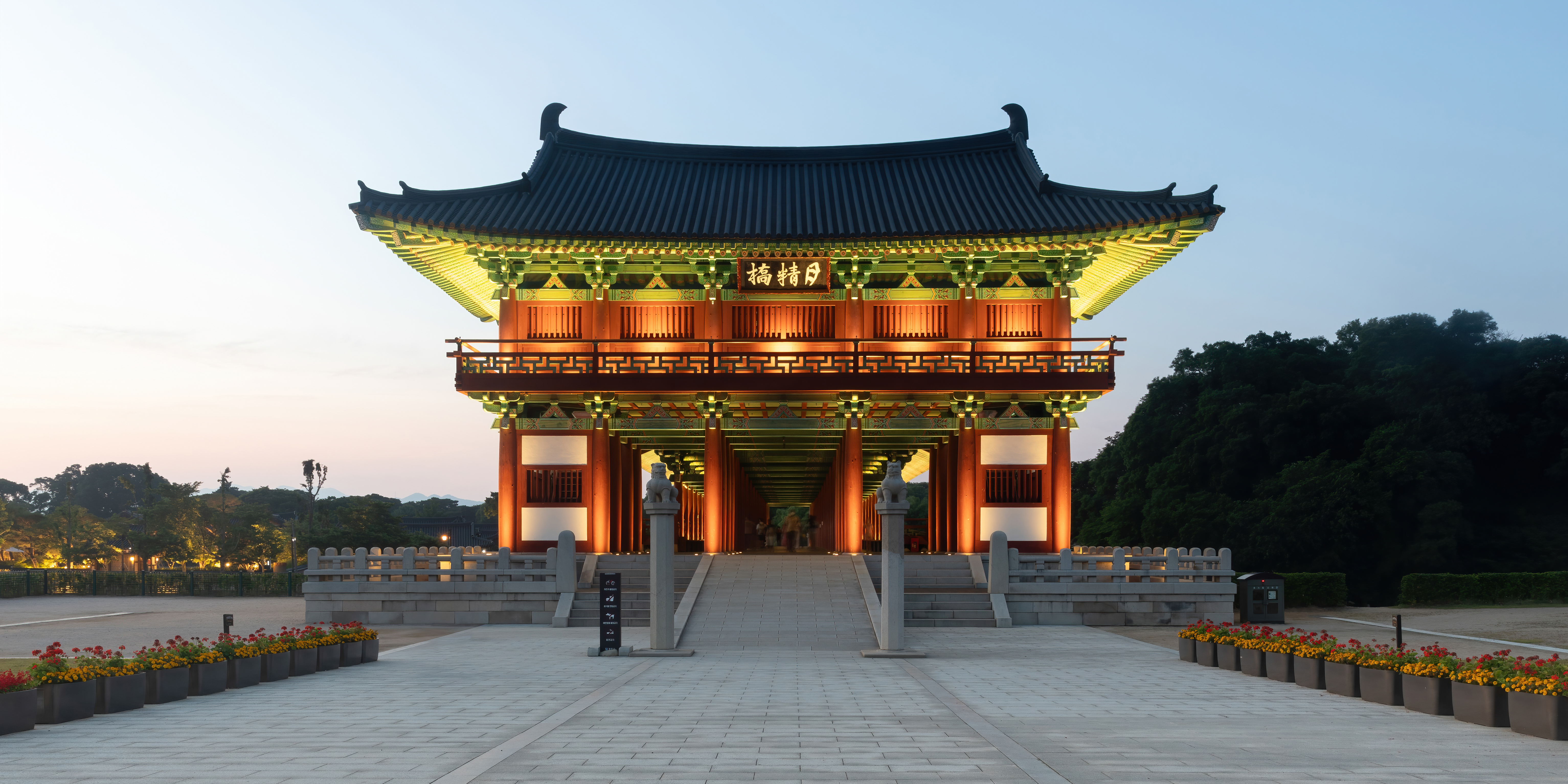
For a visit focused on scenery, walk through Gyochon in the late afternoon, then continue toward nearby Woljeonggyo Bridge around sunset. This lets you see the village while it is still light and spend the changing light near the bridge. Keep the outing focused on these two places rather than adding every surrounding attraction.
As a planning starting point, arrive at the village about 60-90 minutes before sunset on your travel date, then adjust your photography time on the day. This is an editorial suggestion, not a route to a verified sunset-facing viewpoint. Cloud and weather conditions affect the colors and visibility, so a vivid sunset is not guaranteed.
If interiors or cultural activities matter most, let their opening hours and reservations determine an earlier arrival. A late walk does not guarantee access to those facilities. Check the bridge's current access information separately, and allow more time if you want to stay after dark.
When traveling without a car, search the journey to your accommodation or station from your actual final stop. Returning rental clothing or collecting stored luggage changes that route. If it rains heavily or your group is tired, finishing with a meal after the village walk is a reasonable alternative to waiting for the evening view.
- For photographs, plan a late-afternoon walk and sunset stop; for interiors or activities, arrive according to venue hours.
- Include rental returns and luggage collection in the journey home.
- Choose your visit style, then connect it with Route 1 or Route 5 in our Gyeongju walking routes guide.