Gyeongju Itinerary Guide: Day Trip and 2-Day Routes from Seoul or Busan
Build a realistic Gyeongju route by choosing central sights, Bulguksa, Bomun, or night views instead of trying to see everything at once
Plan Gyeongju by travel time and route logic. This guide explains what to prioritize, what to skip when delayed, and how to split central sights, Bulguksa, Bomun, and night views.
A good Gyeongju itinerary is not a list of famous places. It is a decision about pace. Central Gyeongju is walkable and easy to enjoy in a short visit, while Bulguksa Temple, Seokguram Grotto, and Bomun Lake sit outside the main walking area. If you put every famous stop into one day, the trip can become mostly transfers.
Use this guide to choose the version of Gyeongju that fits your time: a compact day trip, a balanced overnight stay, or a slower 2-day route with room for cafes, night views, and rest.
First Decision: Day Trip or Overnight?
A day trip is possible if you keep the route narrow. From Busan it is easier than from Seoul because the travel time is shorter, but even then you should not expect to see central Gyeongju, Bulguksa, Seokguram, Bomun, and the night-view stops comfortably in one day.
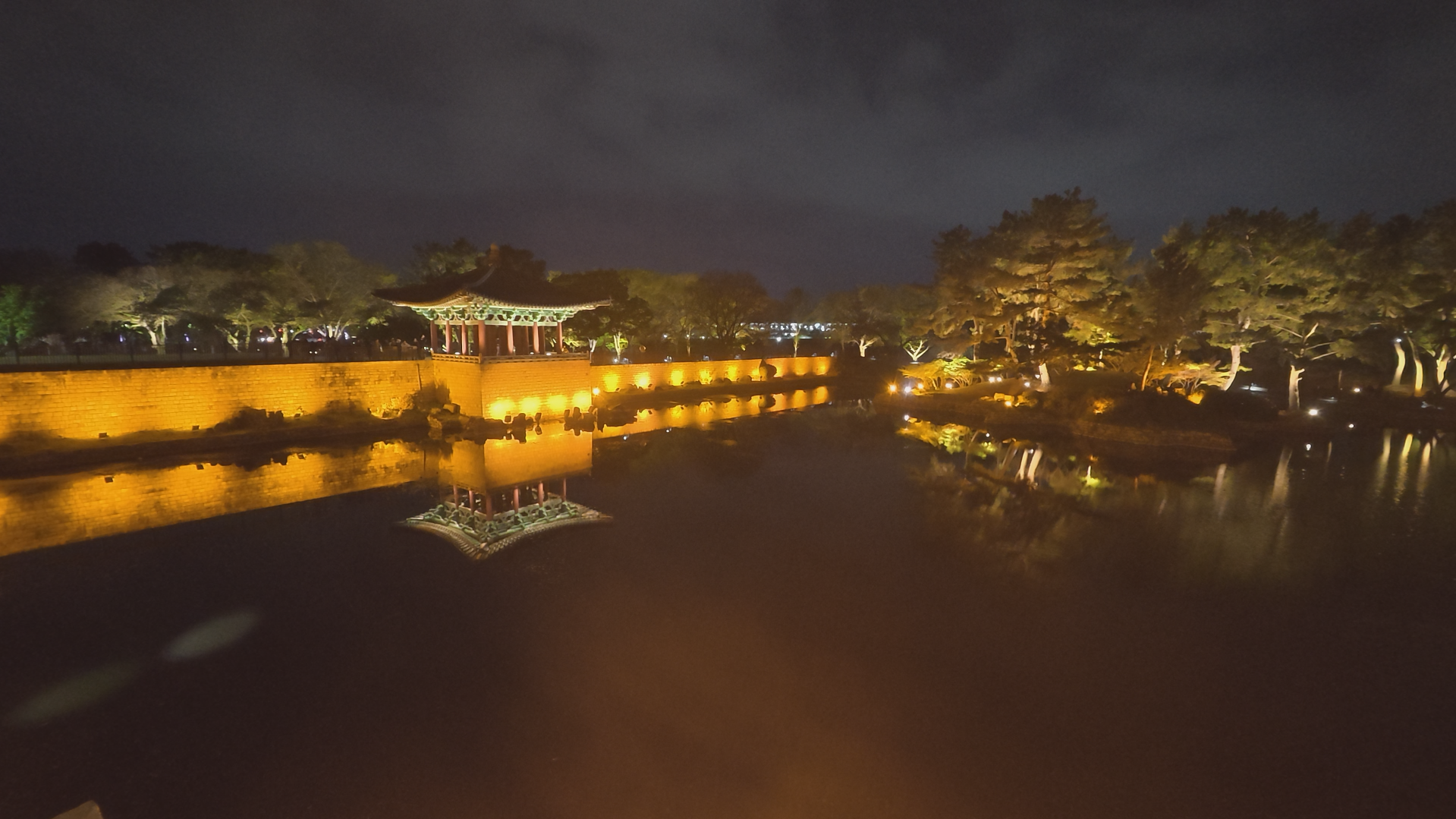
An overnight trip is better if this is your first time and you want the city to feel like more than a checklist. With one night, you can see the central historic area by day, visit Donggung Palace and Wolji Pond at night, and place Bulguksa or Bomun on a separate half day.
The Four Gyeongju Zones You Should Not Confuse
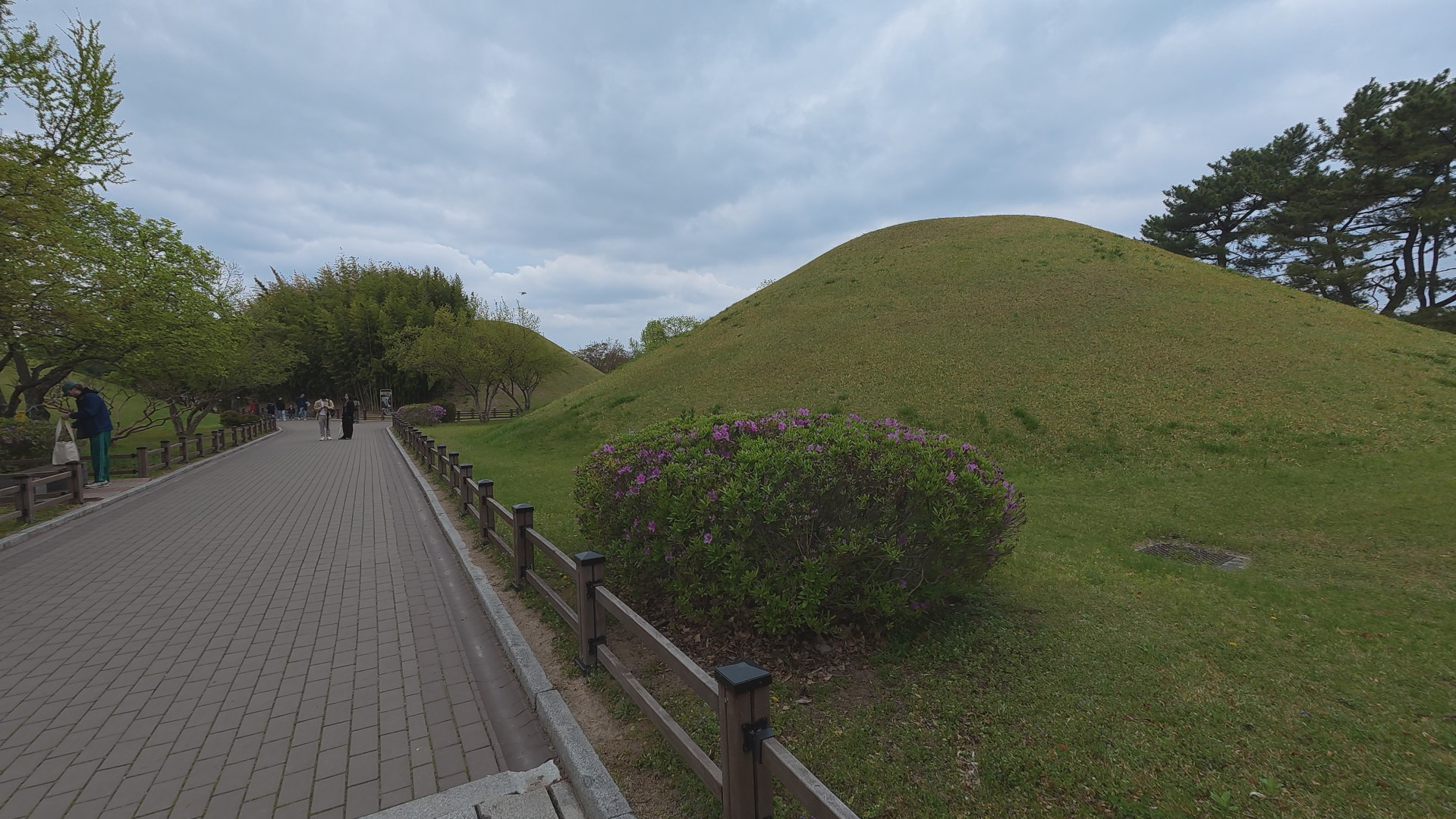
Central historic area: Daereungwon, Cheomseongdae, Gyochon Village, Woljeonggyo Bridge, and Hwangnidan-gil. This is the easiest area to walk.
Night-view area: Donggung Palace and Wolji Pond, Woljeonggyo Bridge, and nearby evening walks. This can overlap with the central area, but it works best after sunset.
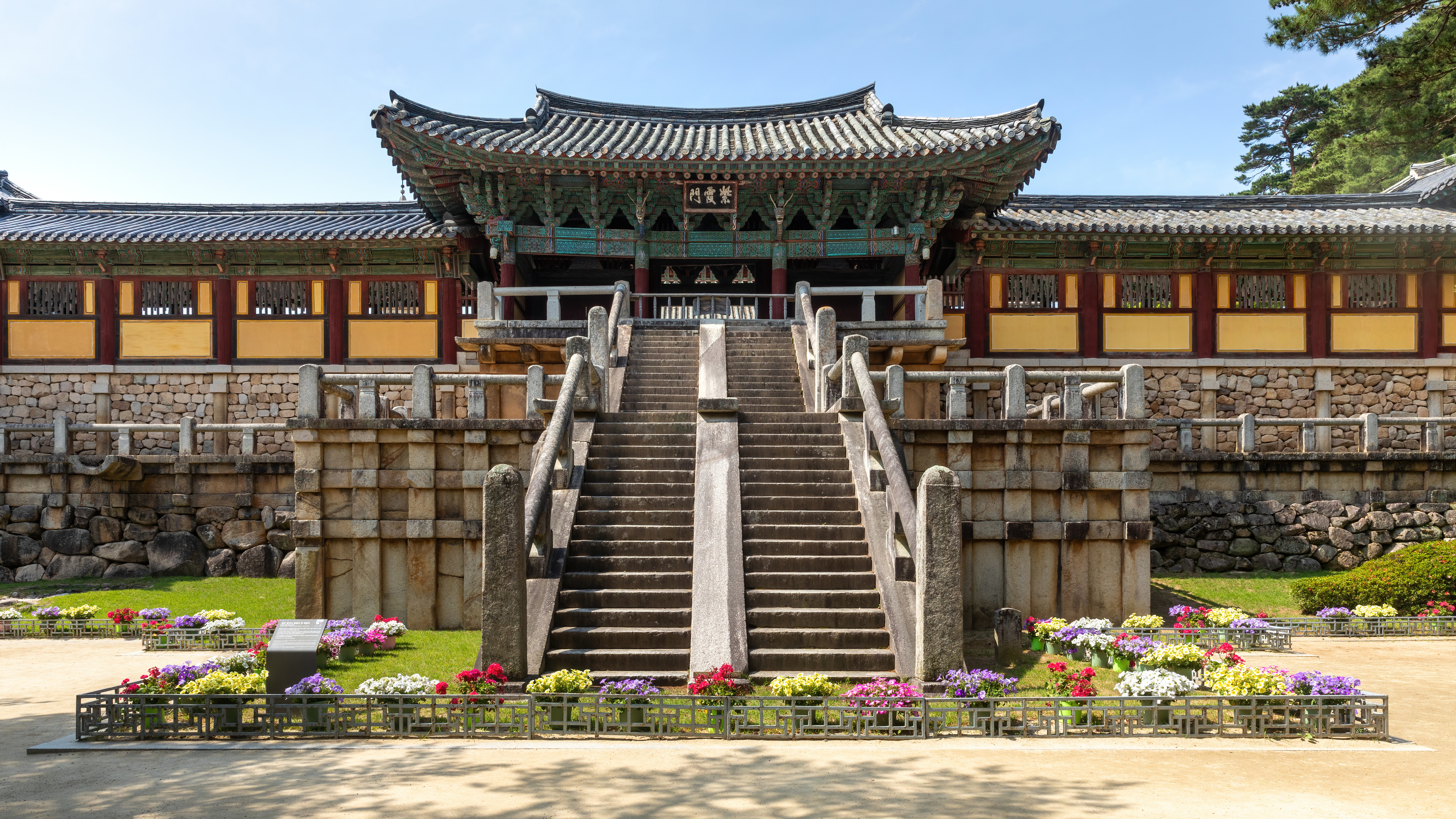
Outer heritage area: Bulguksa Temple and Seokguram Grotto. These are essential heritage stops, but they need separate transport planning.
Resort and lake area: Bomun Lake and the Bomun Tourist Complex. This is better for rest, cafes, hotels, family travel, and a slower afternoon than for a short historic checklist.
If You Only Have One Day
Choose one main route. Do not try to complete the whole city.
Most efficient first route: Gyeongju arrival -> Daereungwon -> Cheomseongdae -> Hwangnidan-gil -> Donggung Palace and Wolji Pond if staying late enough.
This route works because the stops are close enough to understand the city on foot. It gives you tombs, the observatory, cafes or food, and an evening highlight without needing too many transfers.
If Bulguksa is your priority: arrive early -> Bulguksa Temple -> Seokguram if time and transport allow -> return to central Gyeongju for dinner or a short Hwangnidan-gil walk.
This is a stronger route for heritage-focused travelers, but it leaves less time for cafes and central wandering.
If Your Day Trip Gets Delayed
Gyeongju plans often slip because of train timing, luggage, buses, weather, or slow meals. If you are delayed, cut the route instead of rushing every stop.
- Cut Bomun first if your goal is Silla history.
- Cut Seokguram if you cannot handle extra mountain-area travel after Bulguksa.
- Cut long cafe waits if you still want Donggung and Wolji at night.
- Keep Daereungwon and Cheomseongdae for the easiest central Gyeongju impression.
A Better 2-Day Route
Day 1: arrive in Gyeongju -> central historic area -> Hwangnidan-gil -> Donggung Palace and Wolji Pond at night.
Day 2: Bulguksa Temple and Seokguram Grotto in the morning or early day -> Bomun Lake or a relaxed cafe stop -> return to the station or bus terminal.
This split works because it avoids forcing the outer heritage route into the same block as the central walking route. It also gives you a natural night plan without needing to travel far after dinner.
Where to Stay Based on the Route
Stay near Hwangnidan-gil, Daereungwon, or the central bus terminal if this is your first visit and you want easy walking access to food and historic sights. Stay around Bomun if you want a quieter resort-style base, family facilities, or lake scenery. Do not choose Bomun only because the hotel looks nice if your plan is mostly central sightseeing.
Using Bus No. 10 Without Overpromising
Gyeongju's official tourism material highlights bus no. 10 as a useful line connecting Cheomseongdae, Donggung and Wolji, Bomun Tourist Complex, and Bulguksa Temple. That makes it useful for understanding the route shape. Still, check current bus timing in Naver Map, KakaoMap, or local transit information on the day you travel, because waiting time can matter more than the route map.
Common Itinerary Mistakes
- Treating Bulguksa, Seokguram, Bomun, and Hwangnidan-gil as if they are all in one compact walking area.
- Planning a Seoul day trip with the same ambition as an overnight route.
- Leaving Donggung and Wolji too early in the day when the night view is the main reason to go.
- Booking a hotel far from your first sightseeing stop without checking evening return options.
- Adding too many food stops in Hwangnidan-gil and then losing time for heritage sites.