Gyeongju National Museum Guide: What to See and How to Plan
Choose the galleries that fit your interests, distinguish museum closures from gallery closures, and connect your visit with Donggung and Wolji.
Plan your Gyeongju National Museum visit with gallery choices, opening hours, closure dates, 90-minute and two-hour plans, and tips for rain or family visits.
Gyeongju National Museum is a useful stop if you want to connect the city's tombs and palace grounds with the objects found there. For a first visit, make the Silla History Gallery your main stop and add one gallery that matches your interests. Indoor exhibitions also offer a rainy-day option, although moving between buildings and seeing outdoor exhibits still involves going outside.
Choose Your Galleries Before You Start
The Silla History Gallery introduces Silla's history and gold culture. The Silla Art Gallery focuses on Buddhist art, while the Wolji Gallery displays finds from Donggung Palace and Wolji Pond that illuminate royal life. The Divine Bell of King Seongdeok stands in a separate bell pavilion. Check the museum's facility guide before moving between buildings.
| Your interest | Start with | What to focus on |
|---|---|---|
| Understanding Silla | Silla History Gallery | Follow the historical sequence, then read how objects were used. |
| Buddhist sculpture and temple art | Silla Art Gallery | Compare forms and expressions rather than rushing through every display. |
| A later visit to Donggung and Wolji | Wolji Gallery | Use the excavated objects to imagine life in the palace. |
| The bell and outdoor stone monuments | Bell pavilion and outdoor exhibits | Allocate separate time according to the weather. |
If you have already walked through Daereungwon, make the history gallery the focus of your visit. Before or after Bulguksa Temple, you might prefer more time with Buddhist art. These are ways to connect your interests across the trip, not a requirement to see every gallery.
If your companion prefers a quicker look while you read the labels, agree on a meeting place and time. Choosing what matters to each person can make the visit easier than trying to keep an identical pace.
- Choose one main gallery before adding other buildings.
- Consider Wolji Gallery if the palace and pond are on your itinerary.
- Check current display information if one particular object is essential to your visit.
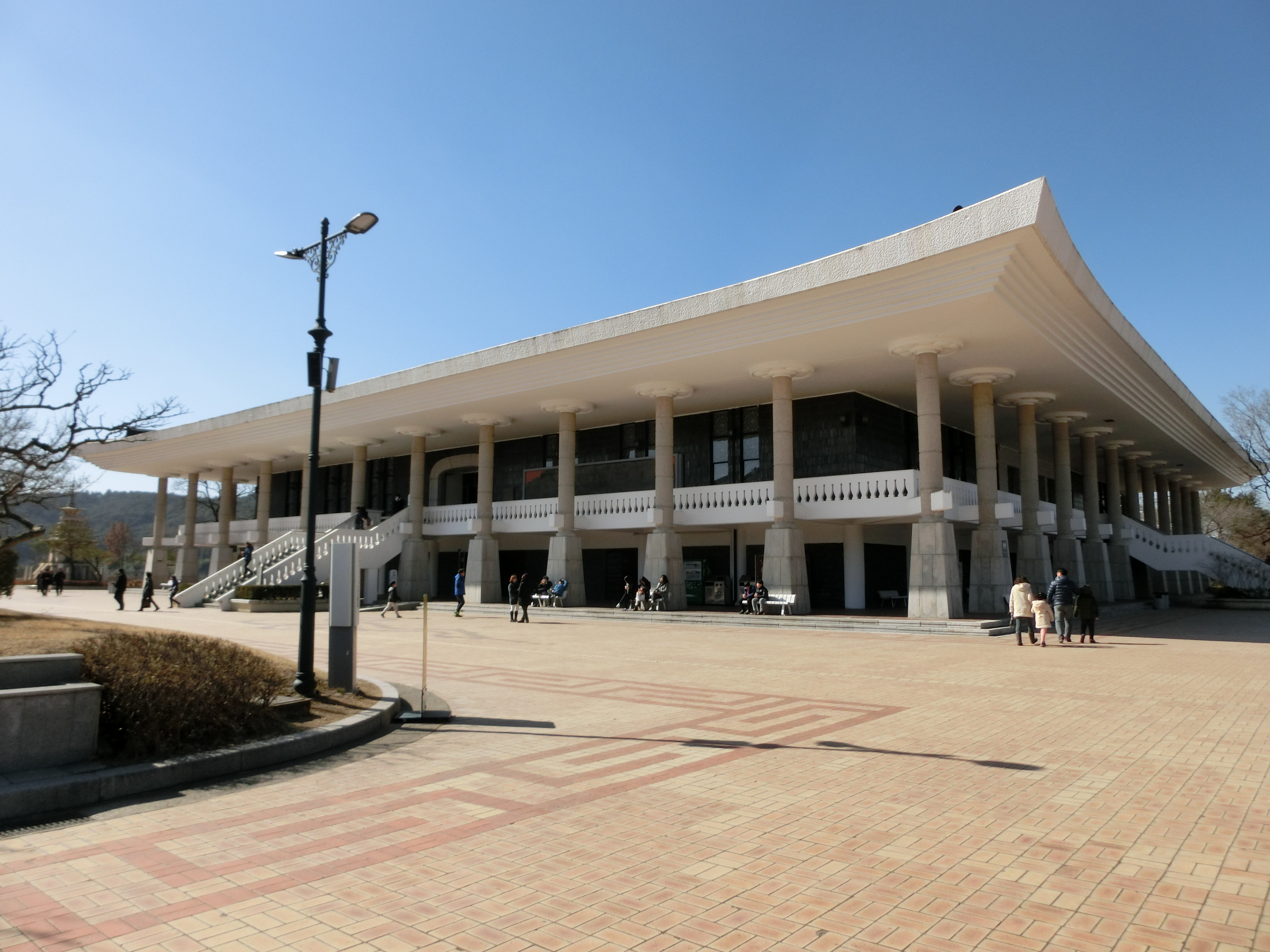

Check Both Museum Closures and Gallery Closures
As checked on September 17, 2026, the official visitor guide lists regular hours of 10:00-18:00, with last admission 30 minutes before closing. Saturday opening extends to 20:00 from March through October. Permanent exhibitions are free; separately charged special exhibitions may be exceptions.
The museum closes on January 1, Seollal and Chuseok themselves, including the outdoor exhibition area. Seollal and Chuseok are lunar-calendar holidays, so their Gregorian dates vary. There is also a separate gallery closure on the second Monday of March, June, September and December, when the gardens and outdoor exhibition areas remain open.
An open marker in a map app therefore does not establish that the indoor galleries you want are available. Equally, you should not assume that every Monday is a closure day. If the museum is central to your itinerary, check your date before arranging the rest of the day. Arriving just before last admission may get you through the entrance, but leaves little time to see the exhibitions.
- Distinguish a full museum closure from a gallery-only closure.
- Do not apply Saturday extended hours automatically to the Children's Museum or individual programs.
- Check temporary notices as well as the regular calendar before leaving.
Plan a 90-Minute or Two-Hour Visit
These are editorial time budgets, not official visit durations or a measured walking route. Reading labels closely or adding a special exhibition will take longer. Travel from the station and meals afterward are not included.
If you have about 90 minutes
Allow 10 minutes to check the site map, 50 minutes for the Silla History Gallery, and the remaining 30 minutes for part of another gallery or the bell pavilion. Do not expect to cover an entire additional building in that final half-hour. If the first gallery holds your attention, reduce the extra stop instead.
If you have about two hours
One possible allocation is 15 minutes for orientation and moving between buildings, 50 minutes for the Silla History Gallery, 35 minutes for either Wolji Gallery or the Silla Art Gallery, and 20 minutes for a rest or outdoor exhibits. Swap the gallery allocations if art is your priority. Leave room to change your plan rather than treating each allocation as a deadline.
- For 90 minutes, aim for one main gallery and a short extra stop.
- For two hours, choose two galleries and retain some spare time.
- If you read slowly, reduce the number of galleries rather than rushing through the labels.
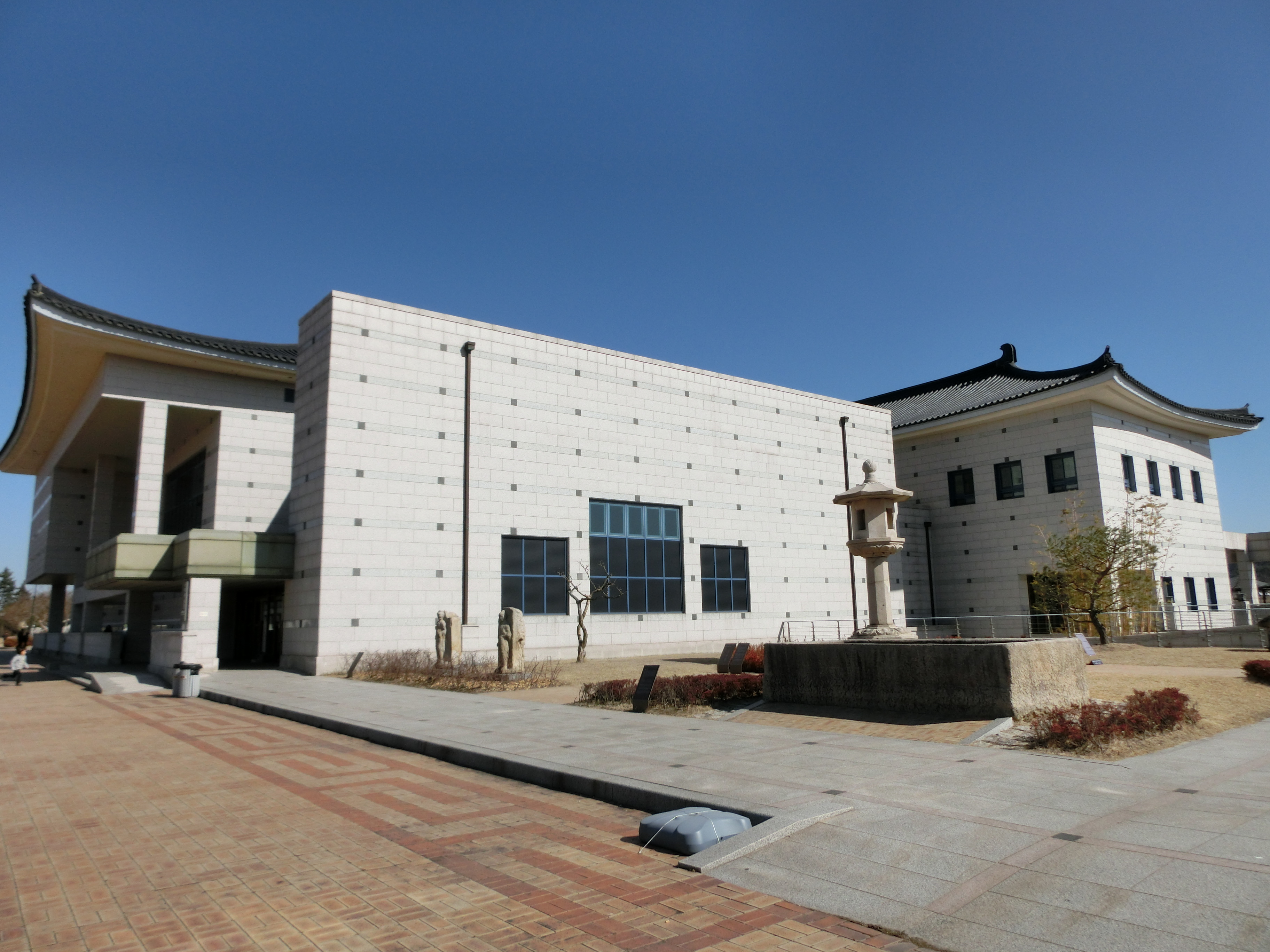

Prepare for Rain or a Family Visit
Bring an umbrella even if your plan focuses on indoor exhibitions. The galleries and bell pavilion occupy separate buildings on the museum's site plan. In heavy rain, you can skip the outdoor exhibits and devote more time to your chosen indoor galleries.
Children's Museum closure: The official construction notice, checked on September 17, 2026, lists a temporary closure through October 31, 2026. Do not plan to use it during that period. For a later visit, confirm reopening and reservation arrangements rather than assuming that it will reopen automatically the next day.
Plan the regular galleries separately from the Children's Museum. A reservation information page remaining online does not mean that a session is available. If children are expecting hands-on activities, explain that a regular gallery visit offers a different experience. A shorter museum visit or a different activity may suit your group better.
- Keep outdoor exhibits optional in wet weather.
- Check reopening notices and actual booking availability for the Children's Museum.
- Allow breaks and choose fewer galleries when that better suits your companions.
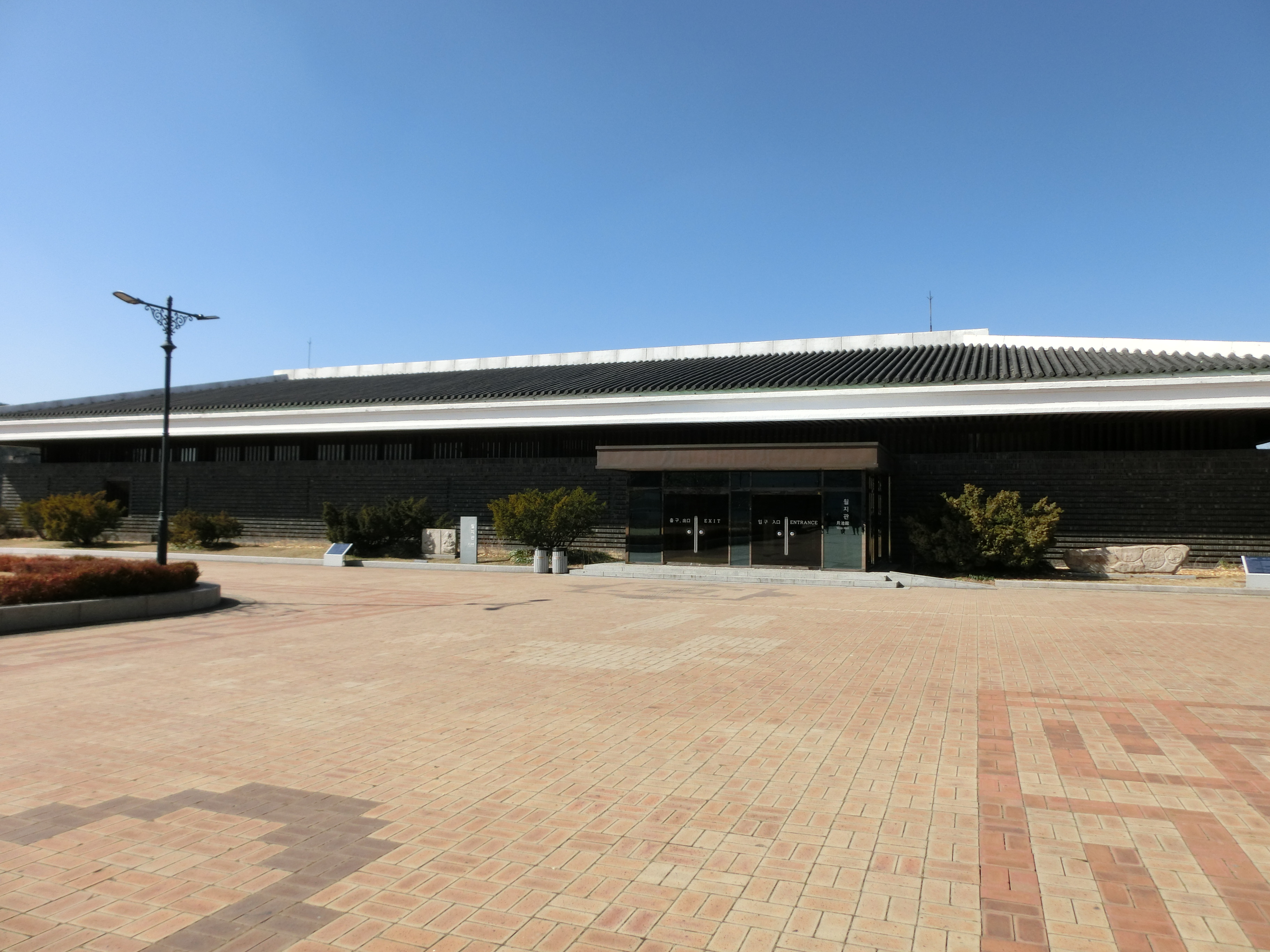

Continue to Donggung and Wolji, or Stop for a Meal
Following the museum with Donggung Palace and Wolji Pond connects the excavated objects with the historic setting. However, Wolji Gallery inside the museum and the separate palace-and-pond attraction are different places. Free museum admission does not include admission to the next attraction; check its own entry conditions.
If you visit the museum in the afternoon and want to see the pond after dark, leave a deliberate meal or rest break between them. Depending on the season, there may be a substantial wait before darkness. With a fixed train departure, finishing after the museum and a meal may fit your day better than waiting for the evening view.
Search pedestrian directions between the actual entrances. A distance between map pins at the centers of attractions is not a reliable substitute for the walking route. Include collecting stored luggage and reaching the station when deciding how late to stay.
- Check the museum and outdoor attraction's admission arrangements separately.
- Add sunset waiting time and the return journey to your plan.
- Choose your date and two preferred galleries, then use Route 3 in our Gyeongju walking routes guide to plan the next part of your outing.