Korea Express Bus Guide: Terminals, Tickets, Luggage, Rest Stops, and When Buses Beat Trains
How to use express and intercity buses in Korea, from booking and terminals to seat classes, luggage, and rest stops
Use Korea express buses for routes where trains are inconvenient, with practical tips on terminals, tickets, luggage, rest stops, and arrival planning.
Korea's high-speed trains are excellent, but they are not always the best answer for every trip. Express buses and intercity buses can be more useful when your destination does not have a convenient train station, when the bus terminal is closer to your hotel, or when you want more departure options.
Use Express Buses When the Route Makes Sense
Korea's express and intercity buses can be excellent when a destination has no convenient train route, when the bus terminal is closer to your hotel, or when tickets are easier to find. Do not choose a bus only because it looks cheaper; compare terminal location and total door-to-door time.
For first-time visitors, the confusing part is not the ride itself. Korean long-distance buses are usually clean, organized, and easy once you are on board. The hard part is choosing the right type of bus, the right terminal, and the right booking method.
This Korea express bus guide explains the basics in a practical way, so you can decide when the bus makes sense and how to use it without arriving at the wrong terminal.
Express Bus vs Intercity Bus in Korea
Korea has two main types of long-distance buses: express buses and intercity buses.
An express bus usually connects major cities using expressways. Travelers often use express buses for routes such as Seoul to Busan, Seoul to Daejeon, Seoul to Gwangju, and Seoul to Jeonju, depending on schedule and seat availability.
An intercity bus serves a wider range of towns, regional cities, and local travel hubs. If you are going somewhere without a convenient KTX or SRT station, an intercity bus may be the easiest option.
From a traveler's point of view, the most important difference is simple: the booking platform, departure terminal, and arrival terminal may differ by route. Do not assume that every long-distance bus leaves from the same terminal or appears on the same website.
When the Bus Is Better Than the Train
KTX and SRT are faster on many major routes, but buses can still be the better choice in several situations.
Choose a bus when your destination is not well connected by train, when the terminal is closer to your hotel, or when the bus timetable fits your day better. Buses can also be useful for regional trips where taking a train would require an awkward transfer.
For example, some smaller cities, coastal areas, mountain regions, and festival destinations are easier by bus than by rail. Even when a train exists, the total travel time can change once you include subway transfers to the train station and local transport after arrival.
Choose KTX or SRT when speed matters most, especially for long-distance routes between major stations. Choose the bus when convenience, destination coverage, or schedule fit matters more.
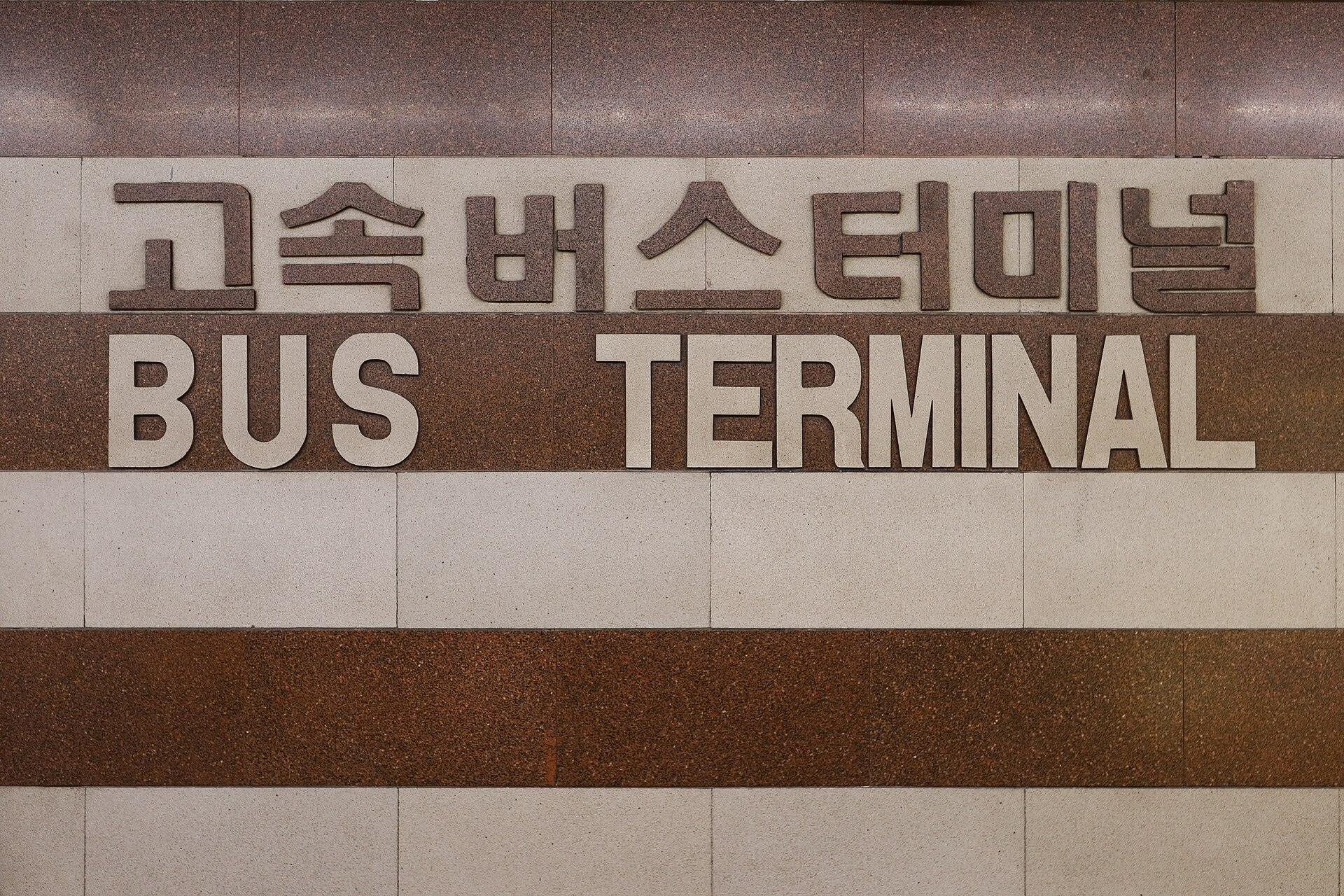
Major Bus Terminals First-Time Visitors Should Know
Korea has many bus terminals, but a few appear often in travel plans.
Seoul Express Bus Terminal is one of the main long-distance bus hubs in Seoul. It is connected to Express Bus Terminal Station, making it easier to reach by subway from many parts of the city.
Central City Terminal is in the same large terminal complex area in Gangnam, but it does not mean the same boarding gate or route. Many first-time visitors confuse Seoul Express Bus Terminal and Central City Terminal because they are close together. Always check the exact terminal name, route, and boarding platform on your ticket.
Dong Seoul Bus Terminal serves many routes from eastern Seoul and can be useful for trips toward Gangwon-do and other regional destinations.
Busan Central Bus Terminal, often called Busan Jonghap Bus Terminal, is a major long-distance bus hub in Busan. It is connected to Nopo Station on Busan Metro Line 1, which makes onward travel manageable if you plan the timing.
The terminal name matters. Seoul Station, Seoul Express Bus Terminal, Central City Terminal, and Dong Seoul Terminal are all different places. Put the exact terminal name into Naver Map or KakaoMap before you leave your hotel.
How to Book Bus Tickets in Korea
Bus tickets can usually be bought online, at terminal ticket counters, or from kiosks inside terminals. The best method depends on your route and whether the booking platform accepts your card.
For foreign travelers, official tourism guidance currently points to international-friendly services such as Klook for express bus routes and GO Hanpass for express and intercity bus booking. You can check the latest official tourism notice on the VISITKOREA bus booking guide. Availability can vary by route, date, and platform.
Korean booking systems such as Kobus, T-money based intercity booking pages, TxBus, and Bustago may appear in search results, but access, language support, membership requirements, and foreign-card acceptance can change. If one platform does not work, try another route, another card, or buy at the terminal.
If you buy online, read the confirmation carefully. Some tickets can be used as mobile tickets, while others may require ticket pickup or printing at the departure terminal. Keep your booking confirmation, reservation number, and payment card accessible.
If online booking fails, do not panic. For many routes, buying at the terminal counter is still common. However, popular routes, weekends, public holidays, and holiday travel periods can sell out, so booking ahead is safer when your schedule is fixed.
Can Foreign Cards Be Used?
Card use in Korea is generally convenient, but bus booking is one area where foreign travelers can still face friction.
At terminal counters, credit cards are commonly accepted, but your specific card may still fail depending on issuer, terminal, or security settings. Online payment is more variable. Some international booking partners are designed for foreign travelers, while some domestic systems may be easier for residents with Korean phone numbers or Korean payment methods.
Recent policy and service changes have aimed to improve foreign-card support for express and intercity bus reservations, but travelers should still check the current booking page before relying on one method.
The practical backup plan is simple: carry at least two cards, keep some cash available, and arrive early enough to buy a ticket in person if your online payment does not work.
For a broader payment overview, read the Cash or Card in Korea guide before your trip.
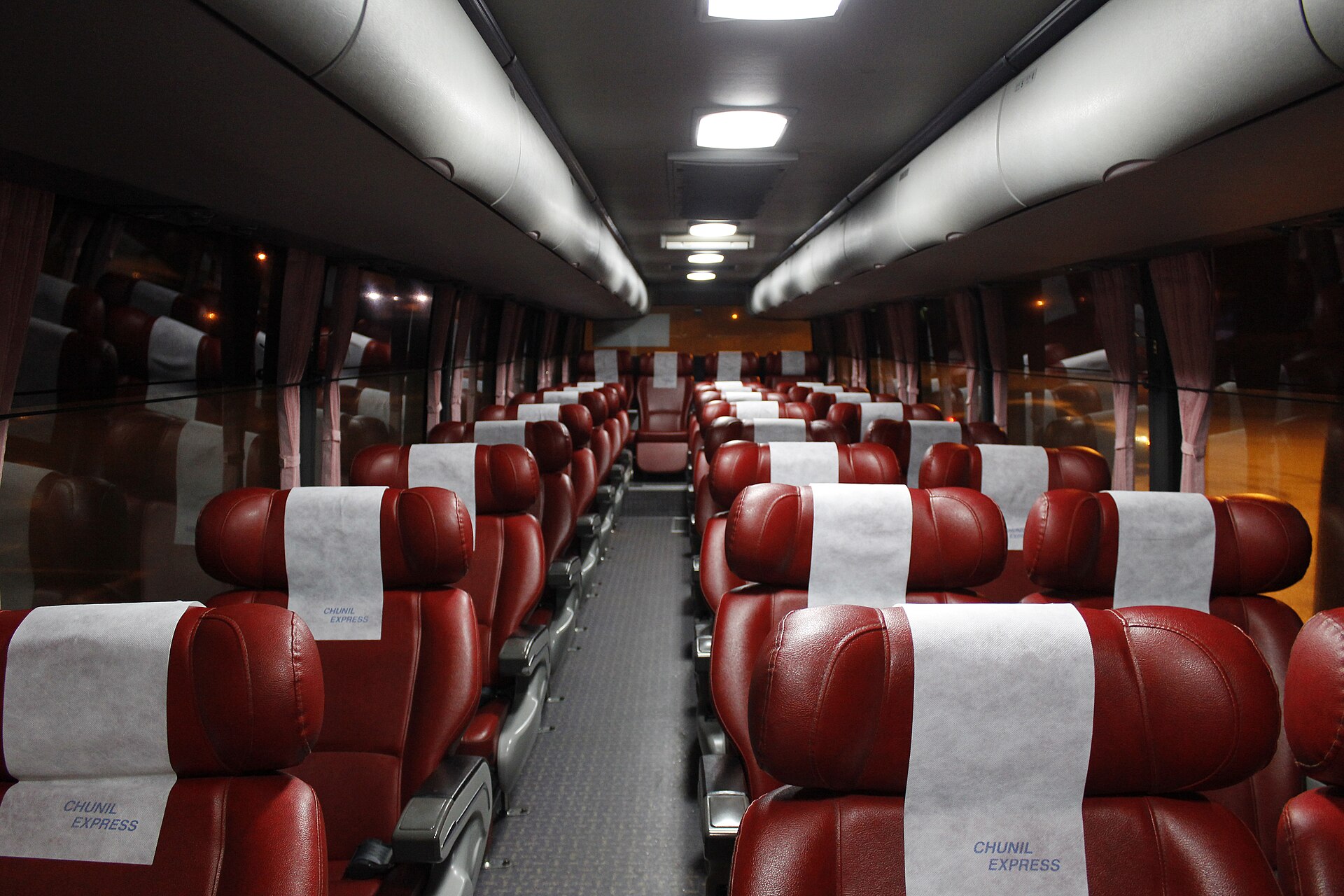
Seat Classes: Standard, Excellent, and Premium
Korean long-distance buses may offer different seat classes depending on the route.
Standard buses are the basic option. They are usually fine for shorter trips and budget-focused travel.
Excellent or deluxe buses, often called "udeung" in Korean, have wider and more comfortable seats. Many travelers prefer this class for longer rides because there is more space and the layout feels less cramped.
Premium buses are available on selected routes. They usually offer a more spacious seat and a more comfortable ride, but they cost more and are not available everywhere.
Do not choose only by price. On a two-hour trip, a standard seat may be perfectly fine. On a four-hour trip after a long flight, paying more for a better seat can be worth it.
What to Do on the Day of Travel
Arrive at the terminal with time to spare. For a first trip, 20 to 30 minutes before departure is a reasonable minimum, and more is better if you still need to collect a ticket or find the platform.
Check the departure board for your destination, departure time, bus company, and platform number. Large terminals can feel like small airports, so do not wait until the last minute.
Have your ticket, mobile ticket, or reservation confirmation ready. If you have a suitcase, place it in the luggage compartment under the bus unless staff direct you otherwise. Keep valuables, passport, medication, and fragile items with you.
Board the correct bus before departure time. Korean intercity and express buses often leave on time, and staff may not search the terminal for late passengers.
Luggage Tips
Most travelers can place normal suitcases in the luggage compartment under the bus. A small backpack or handbag can usually come to your seat, but aisle space is limited.
If you are traveling with oversized luggage, sports equipment, large boxes, or multiple suitcases, check the route or bus company policy in advance. Rules may differ, and a full bus has limited storage space.
Label your suitcase or use a distinctive luggage tag. At rest stops or final terminals, many bags can look similar.
Highway Rest Stops
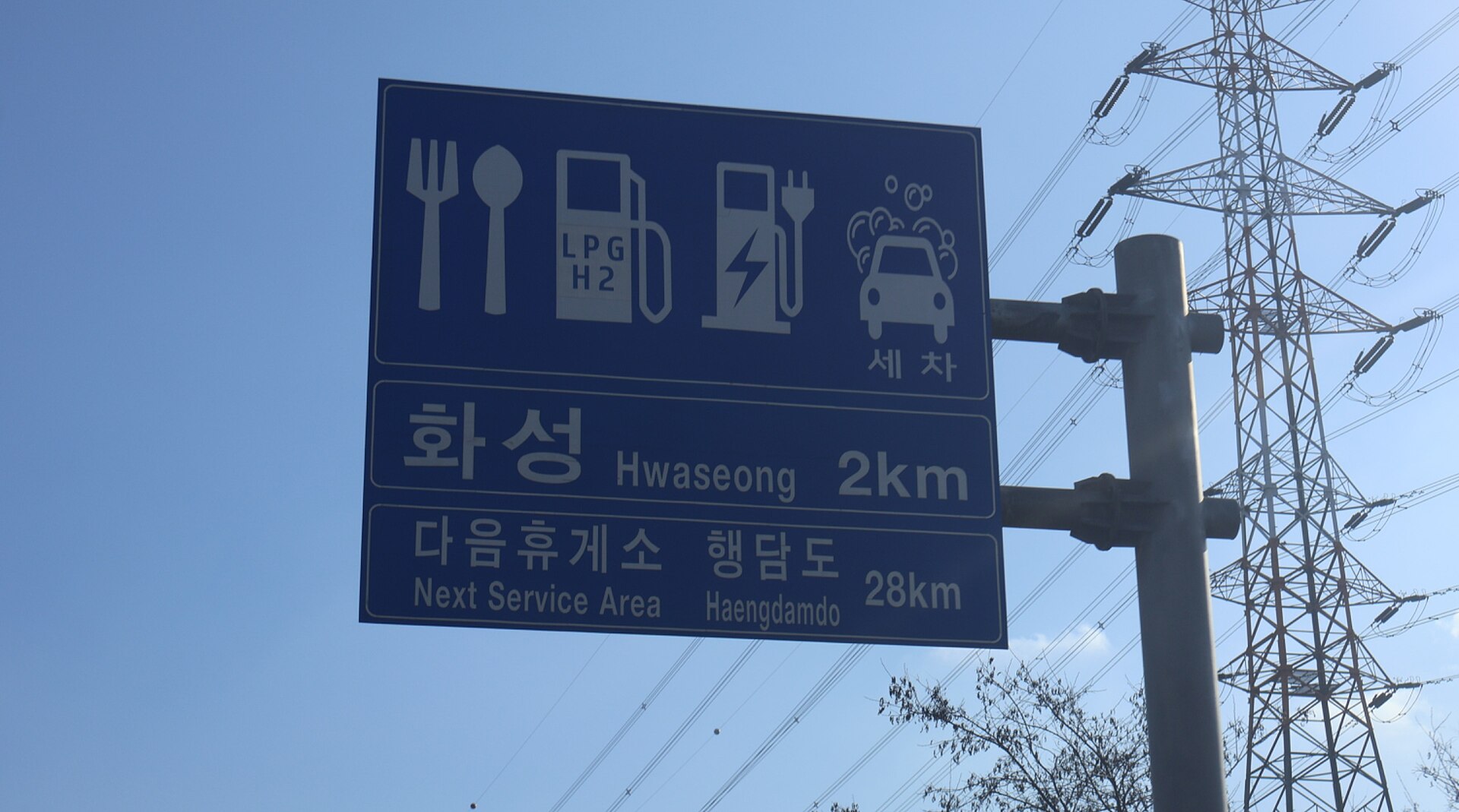
On longer routes, the bus may stop at a highway rest area. Korean rest stops are often more interesting than travelers expect. You may find restrooms, convenience stores, coffee, snacks, simple meals, and regional food.
The stop is usually short. Listen carefully to the driver's announcement or check the time other passengers return. If you do not understand the announcement, take a photo of the bus and platform area, note the bus number, and return quickly.
Do not wander too far. The bus will not wait long for one passenger.
Common Mistakes to Avoid
- Going to the wrong terminal, especially in Seoul.
- Assuming express buses and intercity buses use the same booking system.
- Relying on one foreign card for online bus booking.
- Arriving at the terminal right before departure.
- Forgetting the return time at a highway rest stop.
- Comparing only ticket prices instead of total door-to-door travel time.
Simple Booking Strategy for First-Time Visitors
Start by checking whether your destination is easier by KTX, SRT, express bus, or intercity bus. Use Naver Map or KakaoMap to compare your hotel-to-terminal route, not just the long-distance travel time.
If the bus makes sense, search an international-friendly booking service first. If the route is not available or payment fails, check the official Korean booking platforms or plan to buy at the terminal.
For fixed travel days, book early. For flexible local trips, terminal purchase may be acceptable, but allow enough time.
If you are traveling on Korean public holidays, long weekends, cherry blossom season, summer vacation periods, or autumn foliage weekends, reserve ahead whenever possible.
Departure Checklist
- Confirm the exact departure terminal.
- Confirm the destination terminal.
- Save your booking confirmation offline.
- Bring the card used for booking if required.
- Check travel time from your accommodation to the terminal.
- Keep valuables in your carry-on bag.
- Return to the bus quickly at rest stops.
Editorial Verification Notes
Verified on 2026-07-07: VISITKOREA currently lists online options for foreign travelers including Klook and GO Hanpass, and notes that bus tickets can also be purchased at terminal ticket offices and kiosks. See the official notice here: VISITKOREA bus booking guide. Route availability, foreign-card support, mobile ticket rules, refund rules, and premium bus availability can change by platform and route. Recheck the official booking platform before publishing fare examples or route-specific instructions.