Korea Immigration Guide: Arrival Cards, Passport Control, Customs, and First Airport Steps
Passport checks, K-ETA or visa status, e-Arrival Card, baggage claim, customs, and common arrival mistakes
Prepare for Korea arrival by separating visa or K-ETA checks, e-Arrival Card, passport control, customs, baggage, and first transport decisions.
Arriving in Korea for the first time can feel a little stressful, especially after a long flight. The good news is that the airport arrival process is usually clear and well signed in English.
Separate Entry Permission From Arrival Procedure
Before travel, confirm whether you need a visa, K-ETA, exemption, or e-Arrival Card. At the airport, the practical sequence is documents, passport control, baggage, customs, phone or transport setup, then onward travel. Mixing these steps is why arrival day feels confusing.
For most short-term visitors, Korea immigration is not complicated. The part that makes it easier is preparation. Before you land, make sure you can quickly show your passport, travel purpose, accommodation information, return or onward flight details, and any required K-ETA or visa status.
This Korea immigration guide explains the usual arrival flow, what documents to prepare, what questions you may be asked, and what happens after passport control.
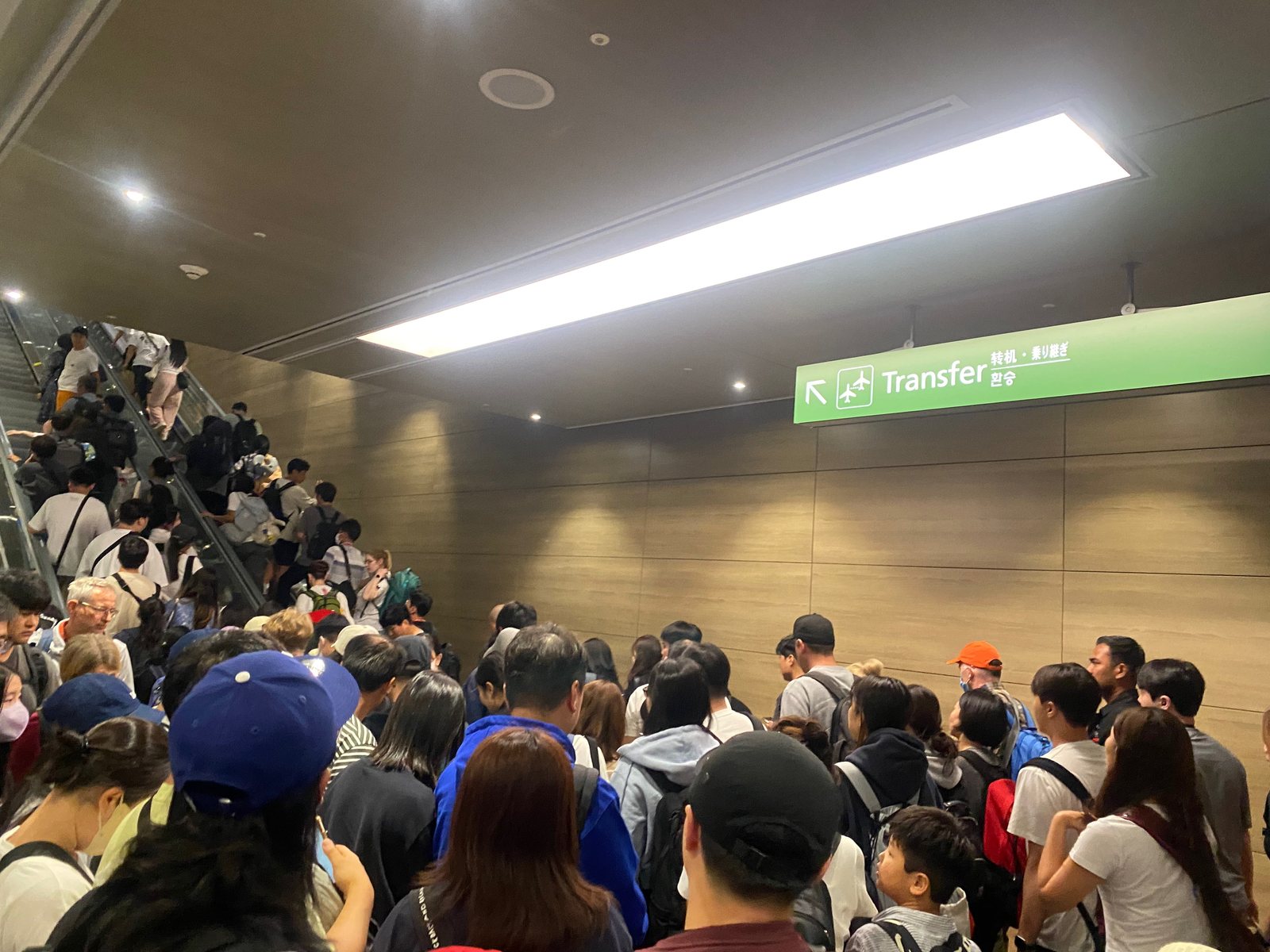
The Usual Arrival Flow at a Korean Airport
After your plane lands, most international visitors follow this order:
- Walk from the gate to arrivals.
- Follow signs for Immigration or Passport Control.
- Complete immigration inspection.
- Go to baggage claim.
- Pass customs.
- Enter the public arrivals hall.
At major airports such as Incheon International Airport and Gimhae International Airport, English signs are common. Look for words such as Arrivals, Immigration, Passport Control, Baggage Claim, and Customs.
If you are connecting to another international flight without entering Korea, your route may be different. Follow transfer signs instead of arrivals signs.
What To Prepare Before Immigration
Before you join the immigration line, prepare the information you may need.
Useful items include:
- Passport
- Boarding pass, if requested
- K-ETA approval or visa information, if required for your nationality and travel purpose
- Hotel or accommodation name
- Accommodation address
- Accommodation phone number
- Return or onward flight details
- Basic travel itinerary
- e-Arrival Card submission status, if applicable
You do not need to print every document, but you should be able to access them quickly. Save key confirmations offline in case airport Wi-Fi is slow, your data plan has not started, or your phone battery is low.
K-ETA, Visa, Passport, and e-Arrival Card
Korea entry requirements depend on your nationality, passport, length of stay, and reason for travel. Do not rely only on a blog, video, or old social media post for this part.
K-ETA
Some visa-free travelers may need K-ETA before traveling to Korea. Some travelers may be temporarily exempt depending on nationality and policy updates.
Because K-ETA rules can change, check the official K-ETA website before you book or fly. If you already read our K-ETA guide, use that as a starting point, but confirm your own eligibility on the official site.
Visa
Some travelers need a visa before entering Korea, even for a short stay. Others may be able to enter visa-free for tourism or short business trips.
The exact rule depends on your passport and travel purpose. Always check official immigration or embassy guidance for your nationality.
Passport
Check your passport validity before departure. Requirements can vary by nationality and airline policy, and airlines may refuse boarding if your documents do not meet the rules.
Your passport should also be in good condition. Damaged passports can create problems at check-in or immigration.
e-Arrival Card
Korea operates an official e-Arrival Card system for eligible foreign visitors. It allows travelers to submit arrival information online before entry. According to the official site, it can be submitted within 3 days before arrival and does not charge a fee.
Not everyone needs to submit one. Travelers with K-ETA, registered foreign residents, and some other categories may be exempt. Check the official e-Arrival Card site before you travel so you know whether it applies to you.
What Questions Might Immigration Ask?
Many short-term tourists pass through after only a simple check. Sometimes an officer may ask a few basic questions.
Common questions may include:
- Why are you visiting Korea?
- How long will you stay?
- Where will you stay?
- When will you leave Korea?
- What cities or places will you visit?
Answer clearly and honestly. Short answers are fine. For example, "Tourism, seven days, staying at a hotel in Myeongdong" is usually more useful than a long explanation.
You may receive extra questions if your travel purpose is unclear, your documents do not match your plans, or you cannot explain where you are staying.
Accommodation Address and Contact Details
One of the most useful things to prepare is your address in Korea.
Keep this information ready:
- Hotel, guesthouse, or rental name
- Full address
- Phone number
- Booking confirmation
- Host contact information, if using a rental or guesthouse
If you are staying in several places, keep the first night's accommodation easy to find. That is usually the most relevant address when you arrive.
Do not assume you will remember it from memory. Korean addresses can be long, and airport stress makes simple details easier to forget.
Regular Immigration vs Automated Immigration
Some travelers may be able to use automated immigration lanes, but eligibility depends on factors such as nationality, registration, age, previous entry history, or airport rules.
First-time foreign visitors should expect to use regular immigration unless they clearly qualify for an automated option.
Incheon Airport also notes that foreign visitors may be required to provide fingerprints and facial information during immigration inspection. Be prepared to follow the officer's instructions at the counter or machine.
If you see several lines, check signs carefully. There may be separate lanes for Korean passports, foreign passports, diplomats, crew, registered travelers, or automated gates.
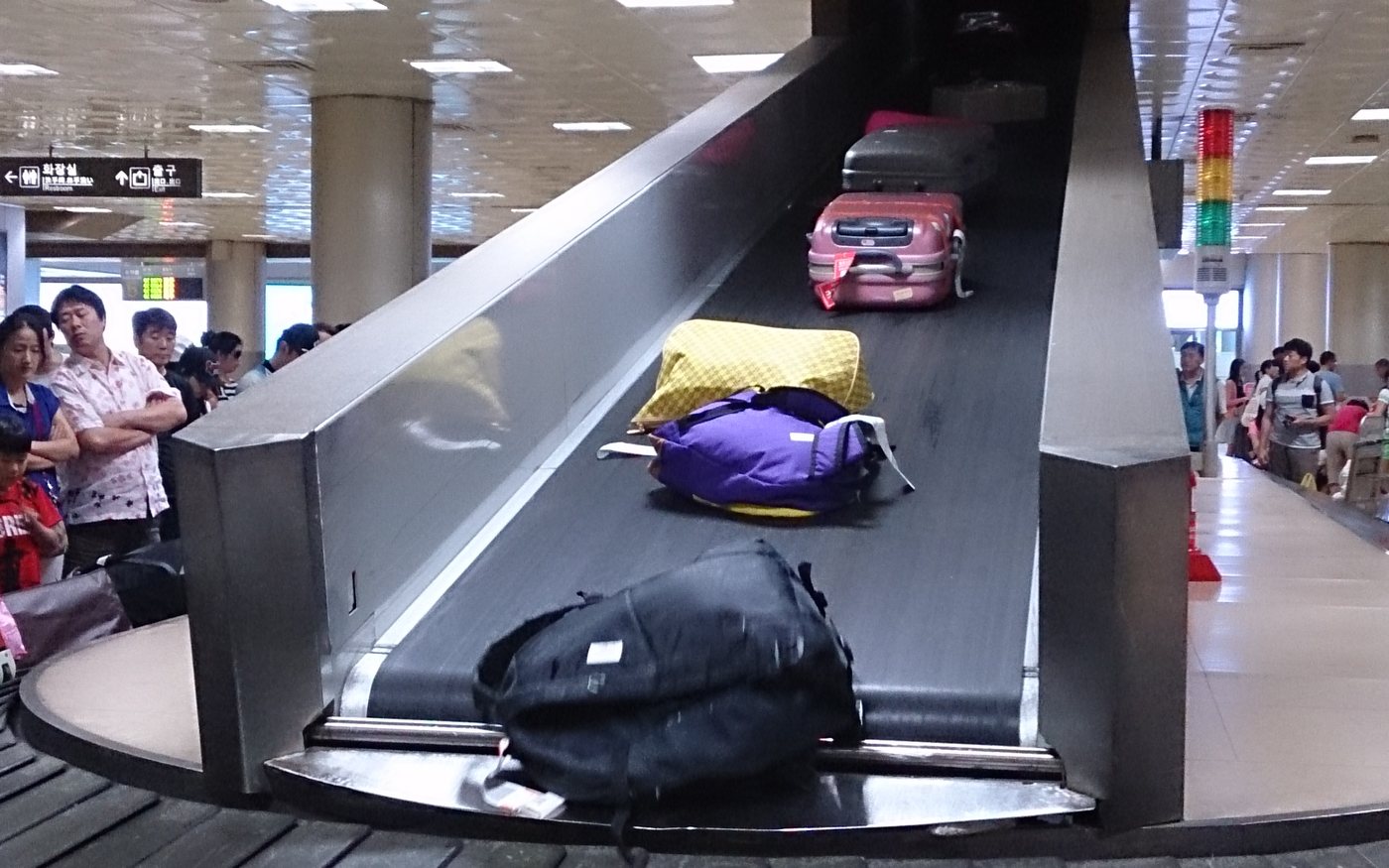
Baggage Claim After Immigration
After immigration, follow signs to Baggage Claim.
Check the airport screen for your flight number and baggage belt. If your bag does not appear, go to the airline's baggage service counter before leaving the restricted area.
If you have fragile or oversized luggage, it may arrive at a separate belt or counter. Look for airport signs or ask airport staff.
Customs Declaration
After collecting your luggage, you will pass customs.
Customs rules can change, and what matters depends on what you are carrying. You may need to declare items such as goods over the duty-free allowance, restricted items, certain food or agricultural products, medicines, large amounts of cash, or commercial goods.
If you are not sure whether something must be declared, check the Korea Customs Service before your flight. It is better to ask or declare than to guess.
Quarantine and Health Checks
Health and quarantine requirements can change depending on disease outbreaks and the countries you visited or transited.
Korea has used systems such as Q-CODE for certain quarantine situations, but requirements are not always the same for every traveler. Before departure, check current official guidance if you are arriving from or transiting through a region with special health controls.
Common Mistakes First-Time Visitors Make
The arrival process is easier if you avoid these common mistakes:
- Checking K-ETA or visa rules too late
- Assuming visa-free travel applies to every passport
- Not saving the hotel address offline
- Having no return or onward flight details ready
- Joining the wrong immigration line
- Assuming automated immigration is available to all visitors
- Forgetting that fingerprints or facial checks may be required
- Packing restricted food, medicine, or other controlled items without checking customs rules
- Relying on airport Wi-Fi to access every document
Arrival Checklist Before You Fly
Before leaving for Korea, check the following:
- Passport is valid and undamaged
- K-ETA or visa status is confirmed
- e-Arrival Card requirement is checked
- Accommodation name, address, and phone number are saved offline
- Return or onward flight information is easy to find
- Important bookings are saved offline or printed
- Customs and restricted-item rules are checked
- Quarantine or health requirements are checked if relevant
- Airport transport plan is ready for after arrival
What To Do After You Enter Korea
Once you pass customs and enter the arrivals hall, you can move on to the practical parts of your trip:
- Pick up or activate your SIM, eSIM, or pocket Wi-Fi
- Buy or recharge a transportation card if needed
- Exchange or withdraw a small amount of cash if needed
- Follow your airport transport plan into Seoul, Busan, or your next destination
If you are arriving at Incheon Airport and heading to Seoul, compare AREX, airport limousine buses, taxis, and private transfers before you choose. If you are arriving in Busan through Gimhae Airport, check your route to Seomyeon, Haeundae, Nampo-dong, or your hotel area in advance.
FAQ
Is Korea immigration difficult for tourists?
For most short-term tourists with the correct documents, the process is usually straightforward. The key is to prepare your passport, entry eligibility, accommodation address, and onward travel details before arrival.
Do I need K-ETA to enter Korea?
It depends on your nationality, travel purpose, and current policy. Some travelers need K-ETA, some need a visa, and some may be temporarily exempt. Check the official K-ETA site before travel.
Do I need to submit an e-Arrival Card?
Some foreign visitors can or must submit arrival information through Korea's official e-Arrival Card system, while some categories are exempt. Check the official e-Arrival Card site for your situation.
What if I do not know my hotel address?
You should prepare it before arrival. Save your first night's accommodation name, full address, phone number, and booking confirmation offline.
Can foreign tourists use automated immigration in Korea?
Some travelers may be eligible, but it is not guaranteed for every first-time visitor. If you are unsure, follow the regular foreign passport line.
Do I need to declare items at customs?
You may need to declare goods over the allowance, restricted items, certain foods, medicines, large cash amounts, or commercial items. Check Korea Customs Service guidance before flying.
Information verified July 6, 2026. K-ETA eligibility, visa rules, e-Arrival Card exemptions, automated immigration eligibility, customs declaration rules, and health or quarantine requirements can change. Check official Korean government and airport guidance before travel.