Korea Travel Checklist for First-Time Visitors: What to Prepare Before and After Arrival
A practical Korea arrival checklist for entry rules, phone setup, payment, transport, apps, luggage, food, and first-day decisions
Prepare for Korea by sequence: entry documents, phone and payment setup, airport transport, first subway or taxi ride, first meal, and backup plans.
A useful Korea travel checklist should not be a long list of random items. The real goal is to prevent your first 24 hours from becoming messy: no internet, no transport plan, no cash backup, no hotel address in Korean, and no idea what to eat when you are tired.
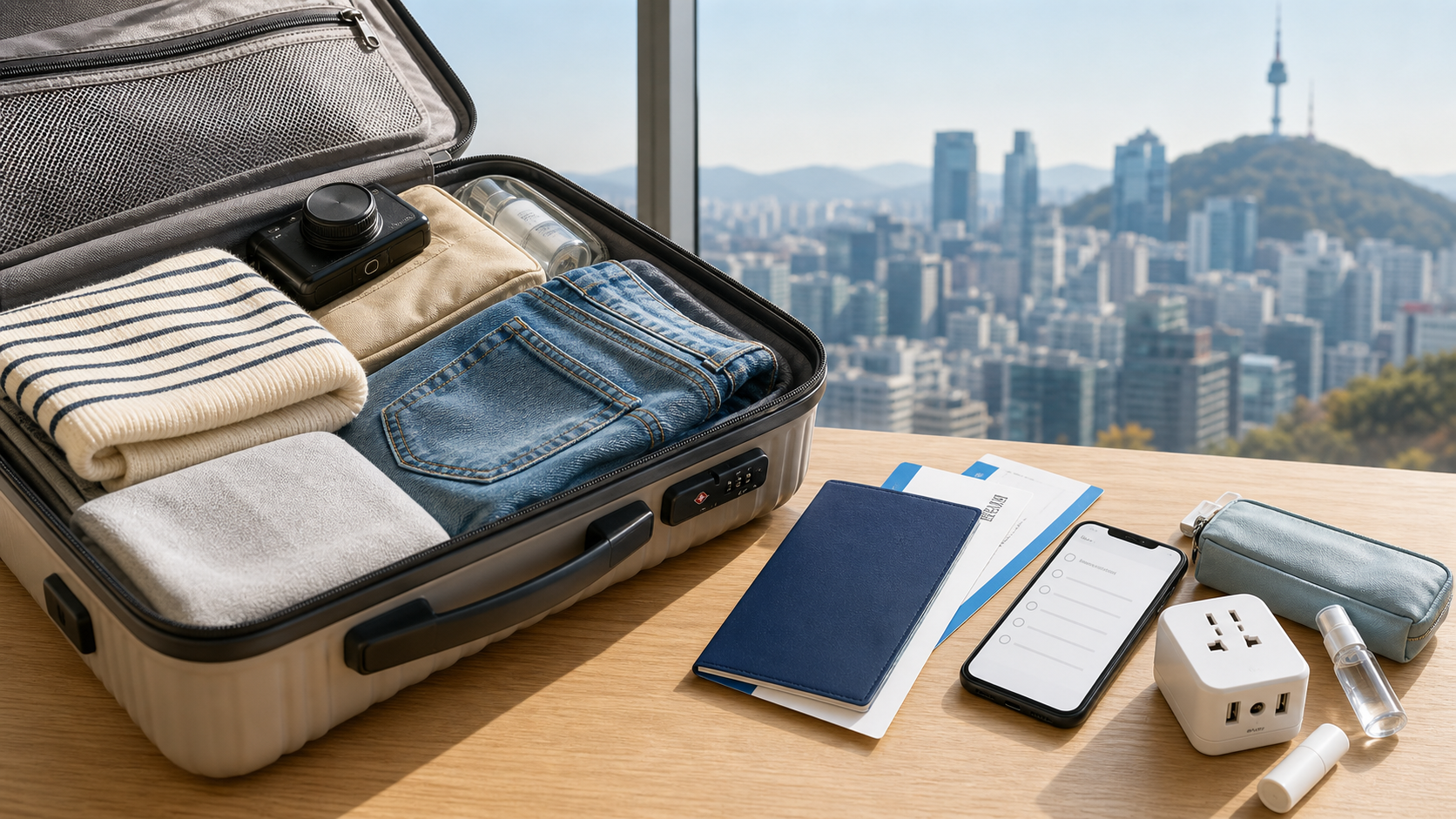
Before You Book: Check Entry and First-Night Logistics
Confirm passport validity, visa or K-ETA requirements for your nationality, and any current entry rules before buying nonrefundable plans. Then check your arrival time. A late-night arrival changes your airport transport, food options, and hotel check-in plan.
Before You Fly: Prepare the Three Things You Need Immediately
Internet: Decide whether you will use eSIM, SIM card, roaming, or pocket WiFi. Set up anything possible before departure.
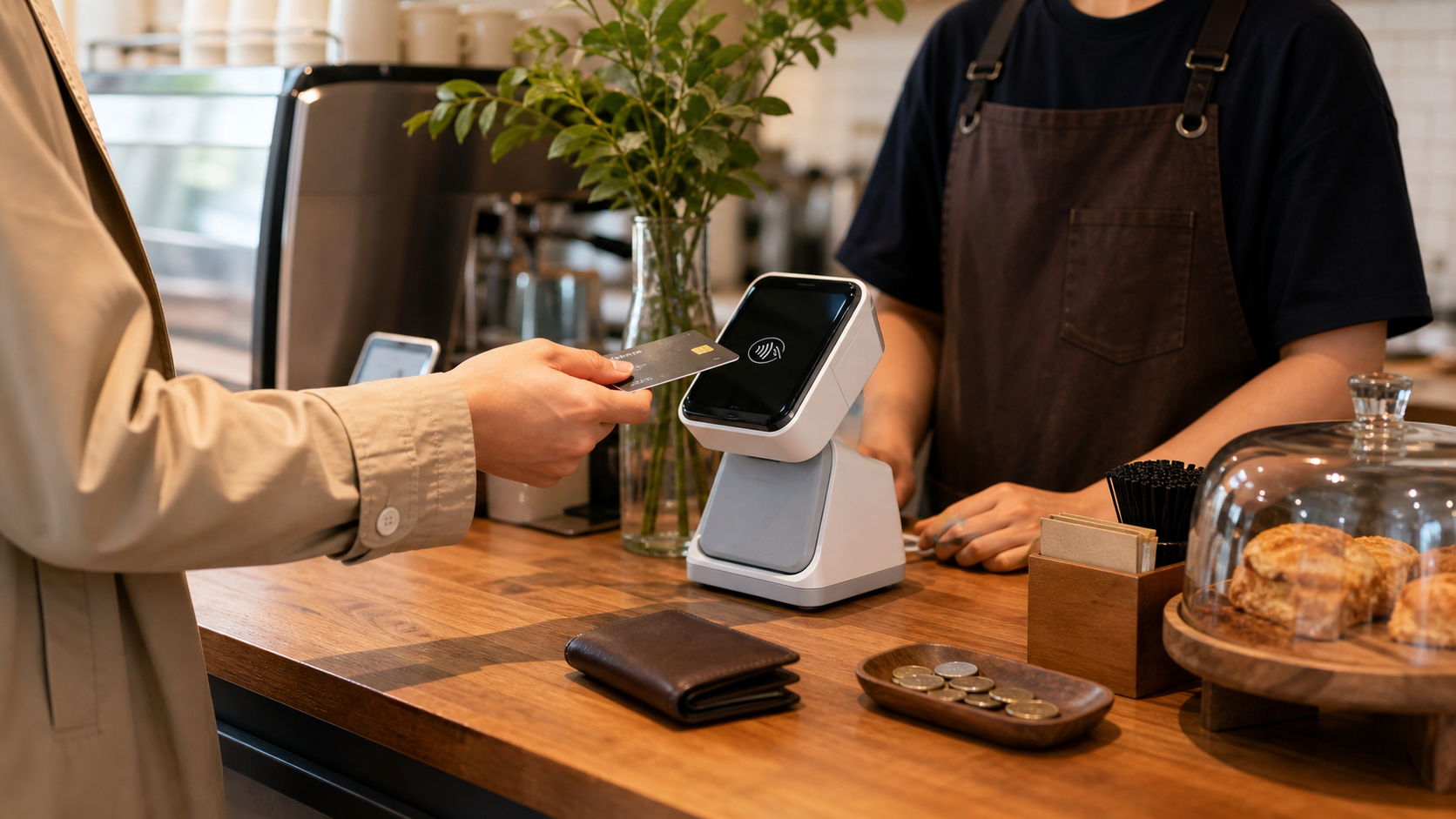
Payment: Bring a physical card and a small cash backup. Mobile wallets are useful but should not be your only plan.
Address: Save your hotel name and address in English and Korean. This helps with taxis, maps, and asking for help.
At the Airport: Do Not Leave Without a First Transport Plan
Before leaving Incheon Airport or Gimpo Airport, decide how you are reaching your hotel. AREX, airport limousine buses, taxis, and subway routes each solve different problems. If you have large luggage or arrive late, the cheapest route may not be the easiest route.
First Day Setup
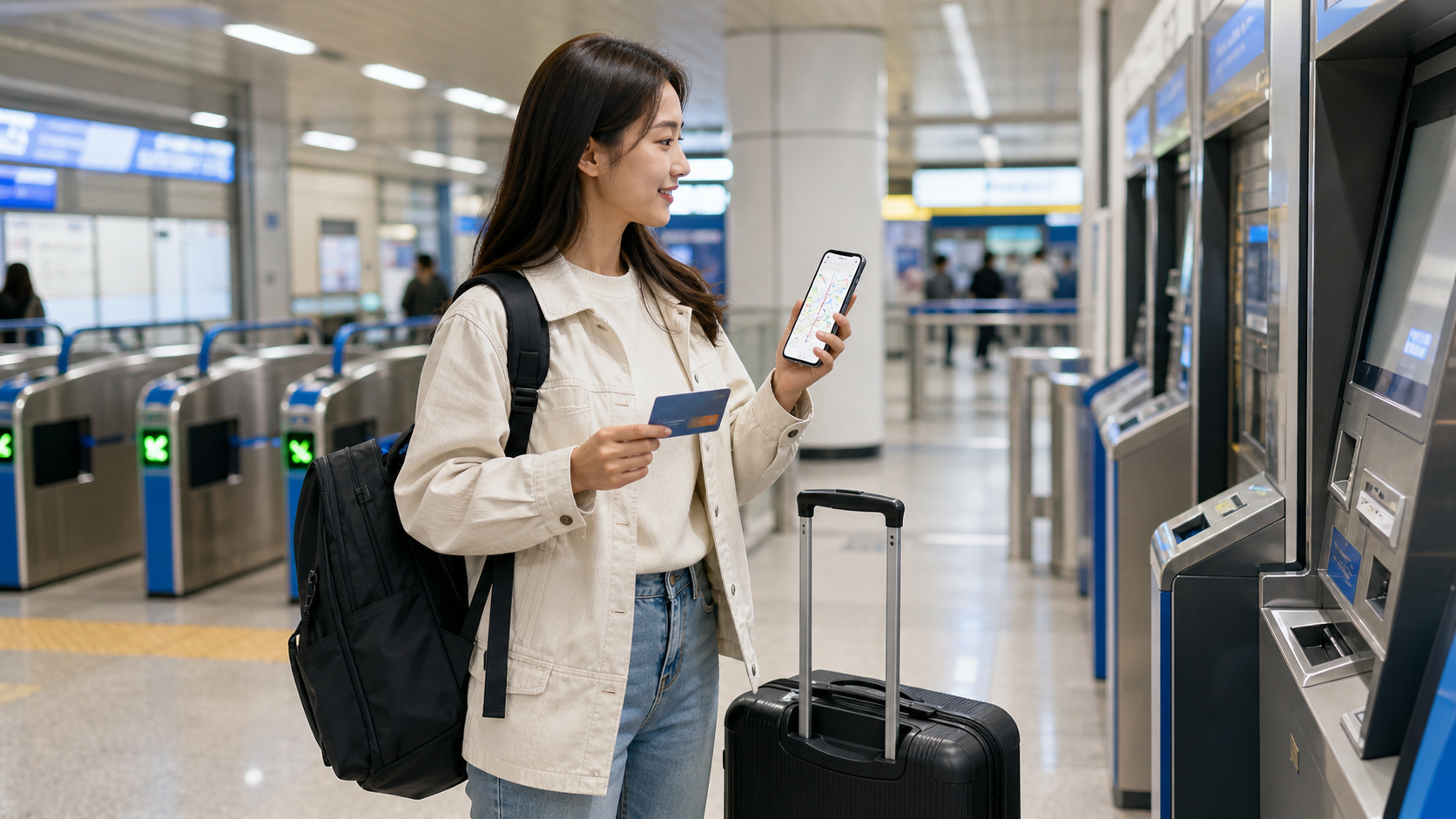
On the first day, keep the plan simple: get connected, reach accommodation, buy or load a transport card if needed, eat an easy meal, and learn the nearest subway station or bus stop. Save complicated restaurant reservations, late-night areas, and distant day trips for after you understand the city rhythm.
What to Pack Based on Actual Korea Problems
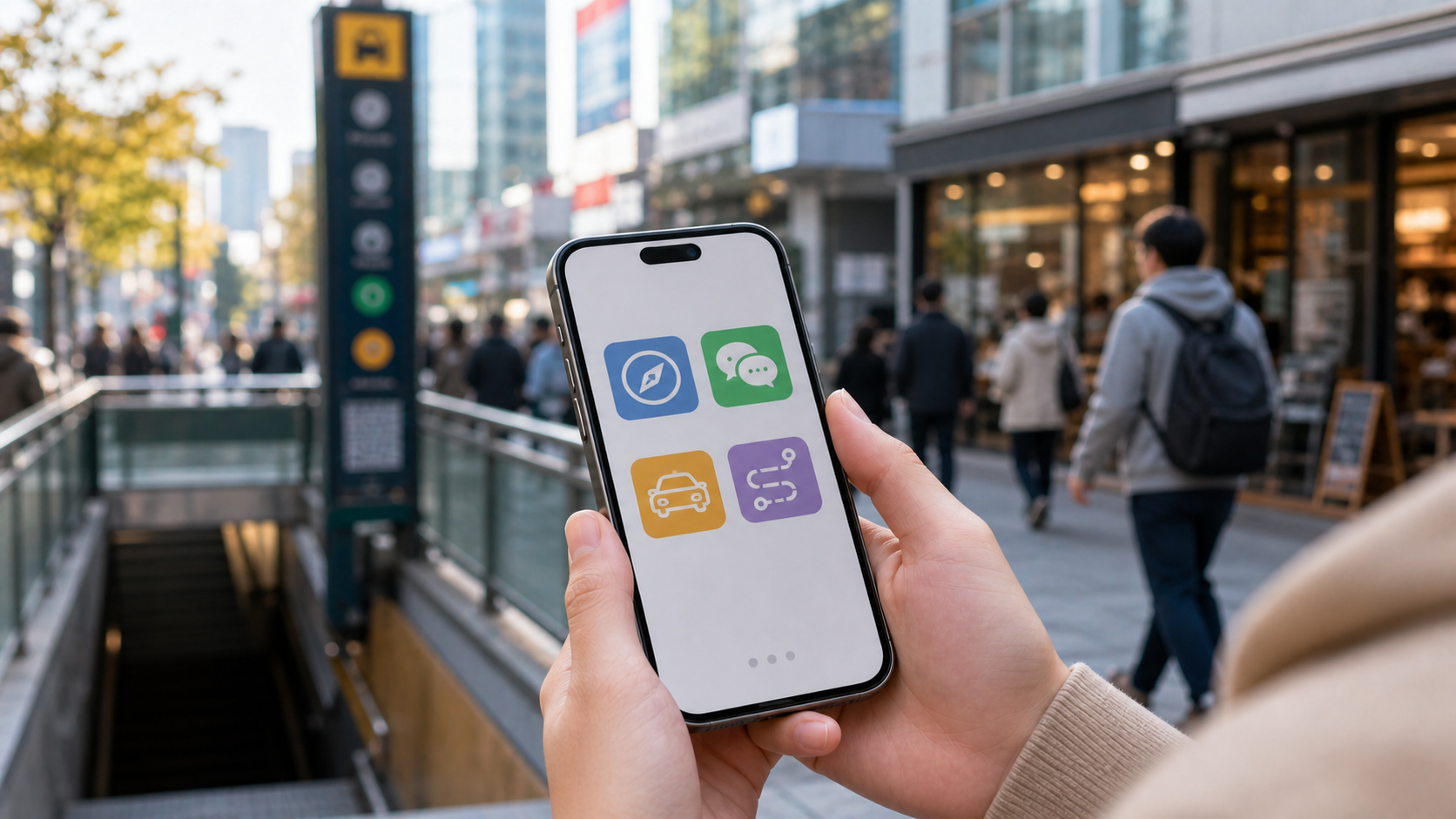
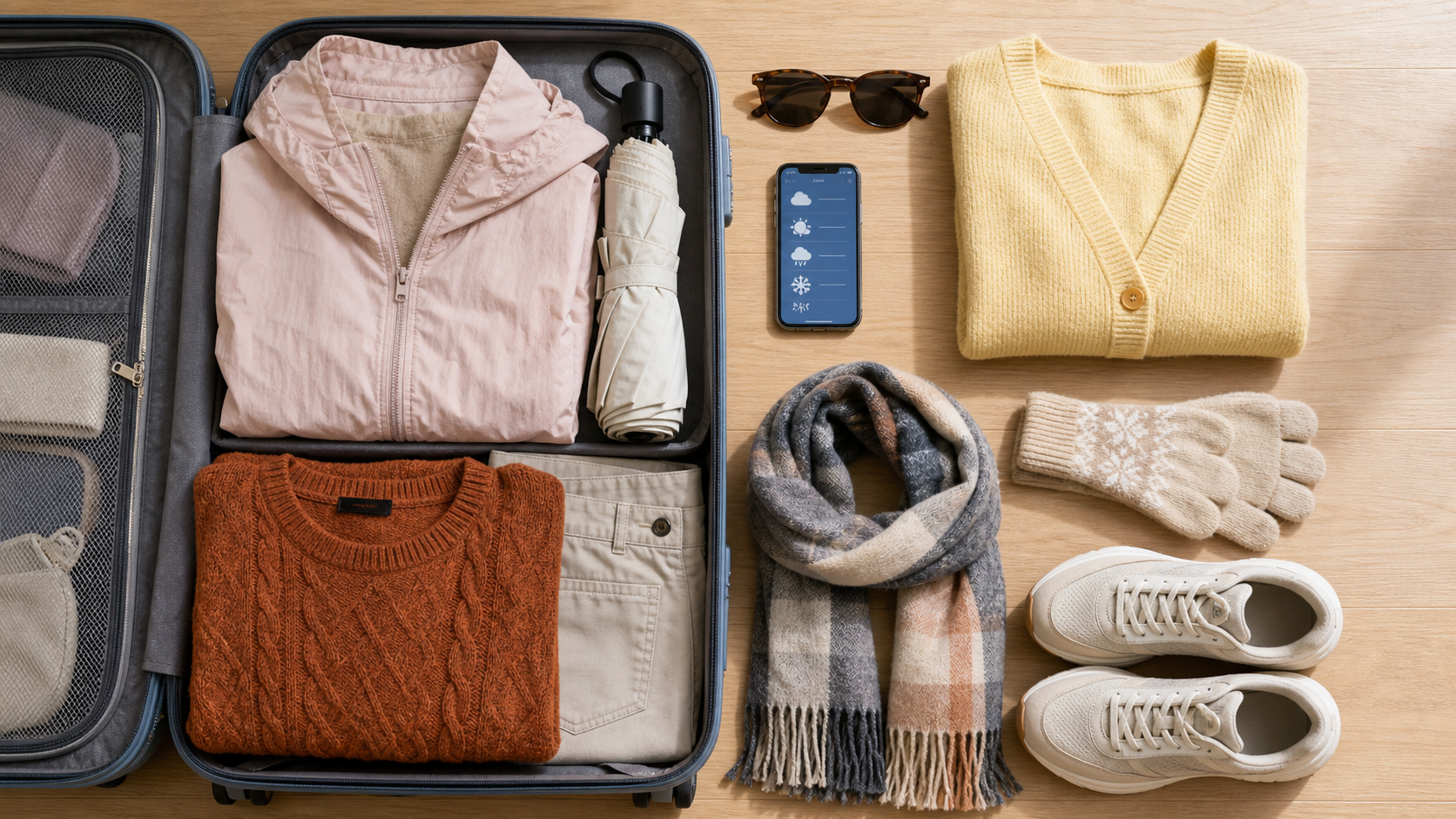
Pack for the season, but also pack for movement. Korea trips often involve subway stairs, station transfers, small restaurants, market alleys, and walking between attractions. Lighter luggage helps more than extra outfits.
First 24-Hour Failure Plan
- If your card fails, use a backup card or withdraw cash from an international ATM.
- If your phone setup fails, use airport WiFi to contact your hotel or buy a temporary option.
- If the last train is gone, use an official taxi stand or a taxi app if already set up.
- If you cannot handle spicy food, choose gimbap, kalguksu, seolleongtang, gomtang, or convenience store basics.