Korean Food Allergy and Dietary Restrictions Guide for Travelers
A cautious guide to hidden broth, seafood seasoning, pork, vegan limits, spicy food, packaged labels, allergy cards, and restaurant communication in Korea
Korean food can hide allergens in broth, sauces, kimchi, side dishes, and mixed fillings. This guide helps travelers ask safer questions and choose lower-risk options.
Korean food can be difficult for travelers with allergies or strict dietary rules because the visible main ingredient does not tell the whole story. A vegetable side dish may use fish sauce. A noodle soup may use anchovy broth. A tofu stew may contain seafood stock. A rice roll may include egg, ham, tuna, or crab-flavored sticks.
This guide is not medical advice. If you have a severe allergy or high cross-contact risk, use a written allergy card, confirm directly with staff, and choose packaged foods or specialist restaurants when communication is uncertain.
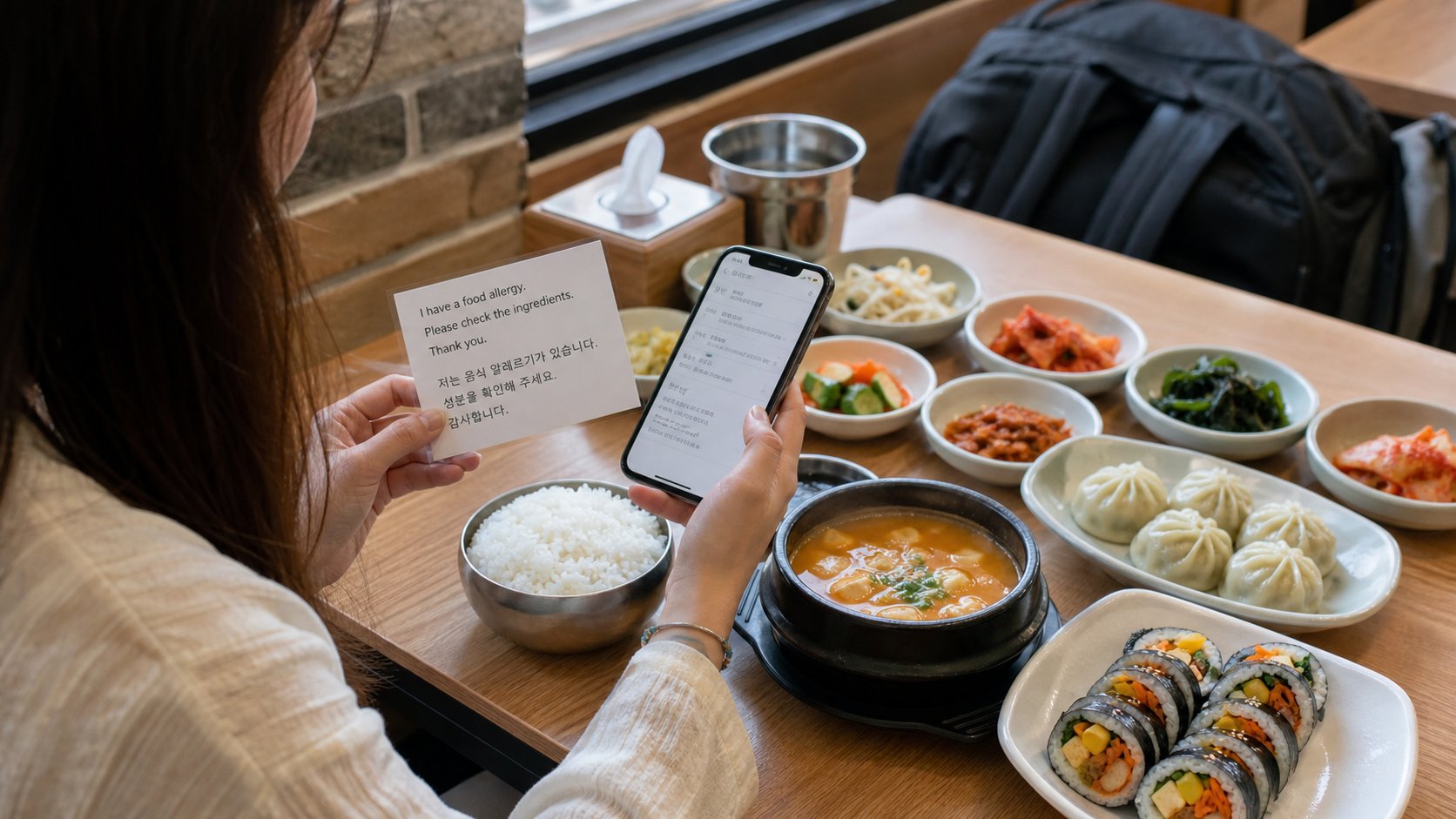
The Question Is Not Only "Can You Remove This?"
In many Korean dishes, the risky ingredient may already be in the broth, sauce, kimchi seasoning, batter, filling, or shared cooking area. Removing a topping may not make the food safe.
Ask about:
- Broth or stock
- Fish sauce, salted shrimp, anchovy, or seafood seasoning
- Meat broth, pork fat, ham, or sausage
- Egg, dairy, nuts, sesame, soy, wheat, or shellfish
- Shared pans, knives, oil, grills, and preparation surfaces
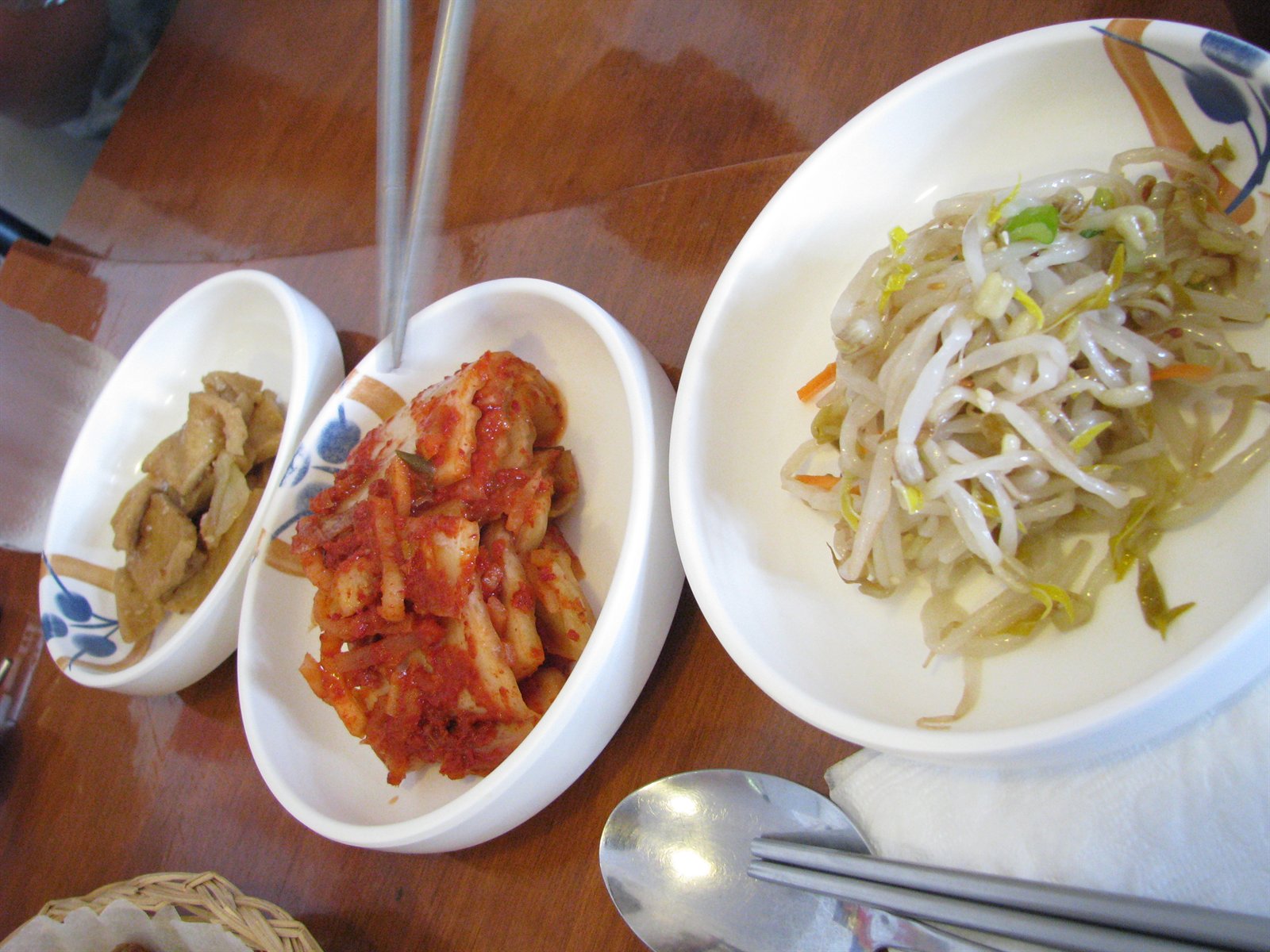
Vegetarian and Vegan Travelers
"No meat" is not the same as vegan in Korea. Kimchi may contain fish sauce or salted shrimp, soups may use anchovy broth, and side dishes may be seasoned with seafood or animal-based ingredients. Bibimbap can be easier to adjust than stew, but egg, beef, broth-based side dishes, and gochujang ingredients still need checking.
Specialist vegan or temple-food restaurants are often easier than asking a busy general restaurant to redesign a dish. Still, confirm egg, dairy, honey, and seafood seasoning if your standard is strict.
Seafood Allergies
Seafood can appear in obvious forms such as shrimp, crab, shellfish, fish, and squid, but also in less visible forms such as anchovy broth, fish sauce, salted shrimp, oyster sauce, fish cake, and seafood seasoning.
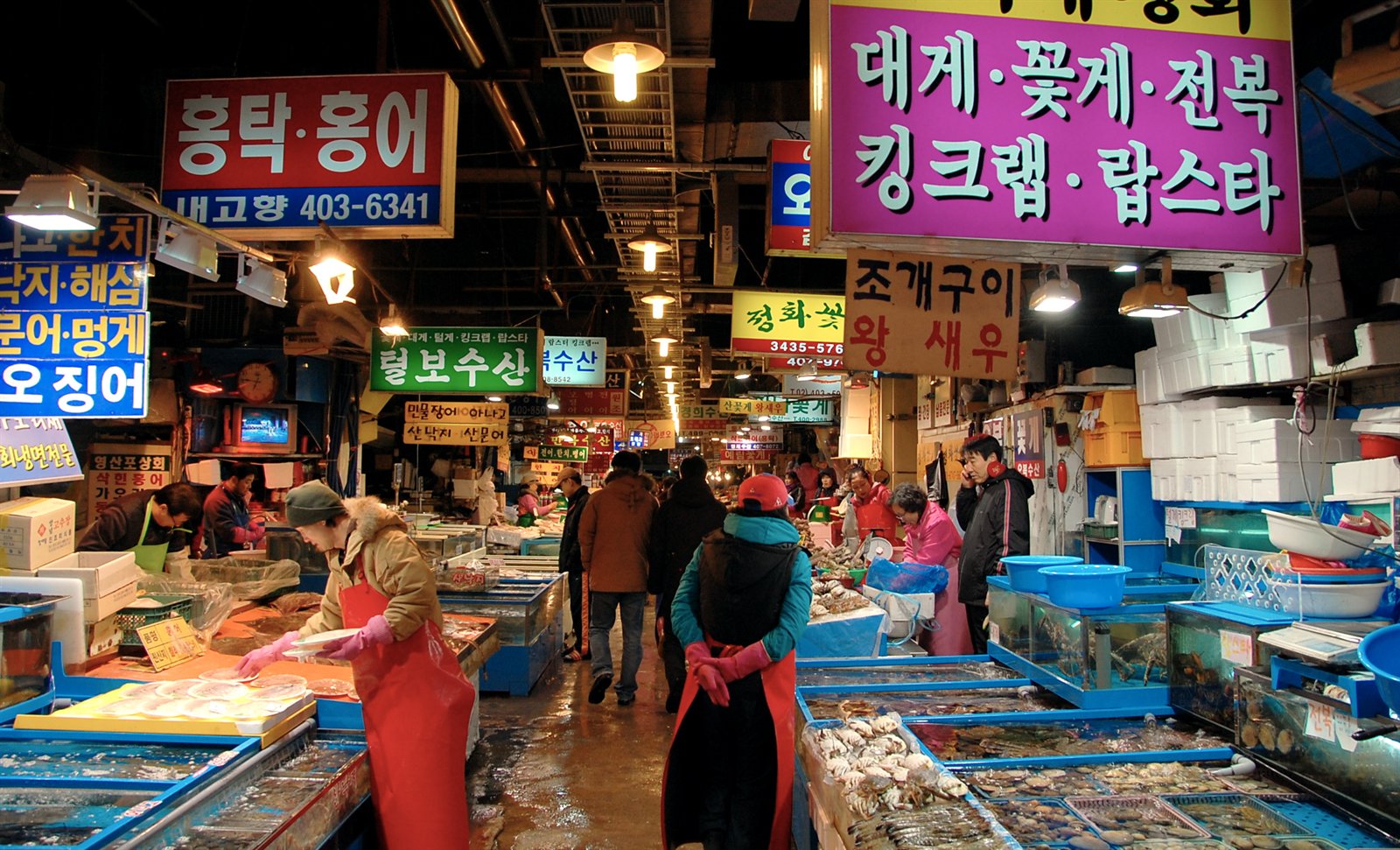
Extra caution is needed with kimchi, doenjang jjigae, sundubu jjigae, kalguksu, tteokbokki, fish cake broth, gimbap, and market foods. If a seafood allergy is serious, ask about broth and seasoning, not just visible seafood.
Pork, Halal, and Kosher Restrictions
Pork may appear in dumpling fillings, kimchi stew, fried rice, sausages, ham, lard, gukbap, and shared grills. Removing visible pork does not make a dish halal or kosher. Shared tools, broth, oil, storage, and preparation surfaces can matter.
If you need strict halal or kosher standards, use certified or clearly specialist restaurants and check current certification or operating information before going.
Spicy Food Restrictions Are Different From Allergies
Many restaurants can reduce spice only when the sauce is added during cooking. If the broth or sauce is prepared in advance, "not spicy" may not be possible. Choose mild dishes such as seolleongtang, gomtang, samgyetang, juk, plain rice, basic toast, or non-spicy gimbap when you need a safer starting point.
Packaged Foods Can Help, But Labels Still Need Care
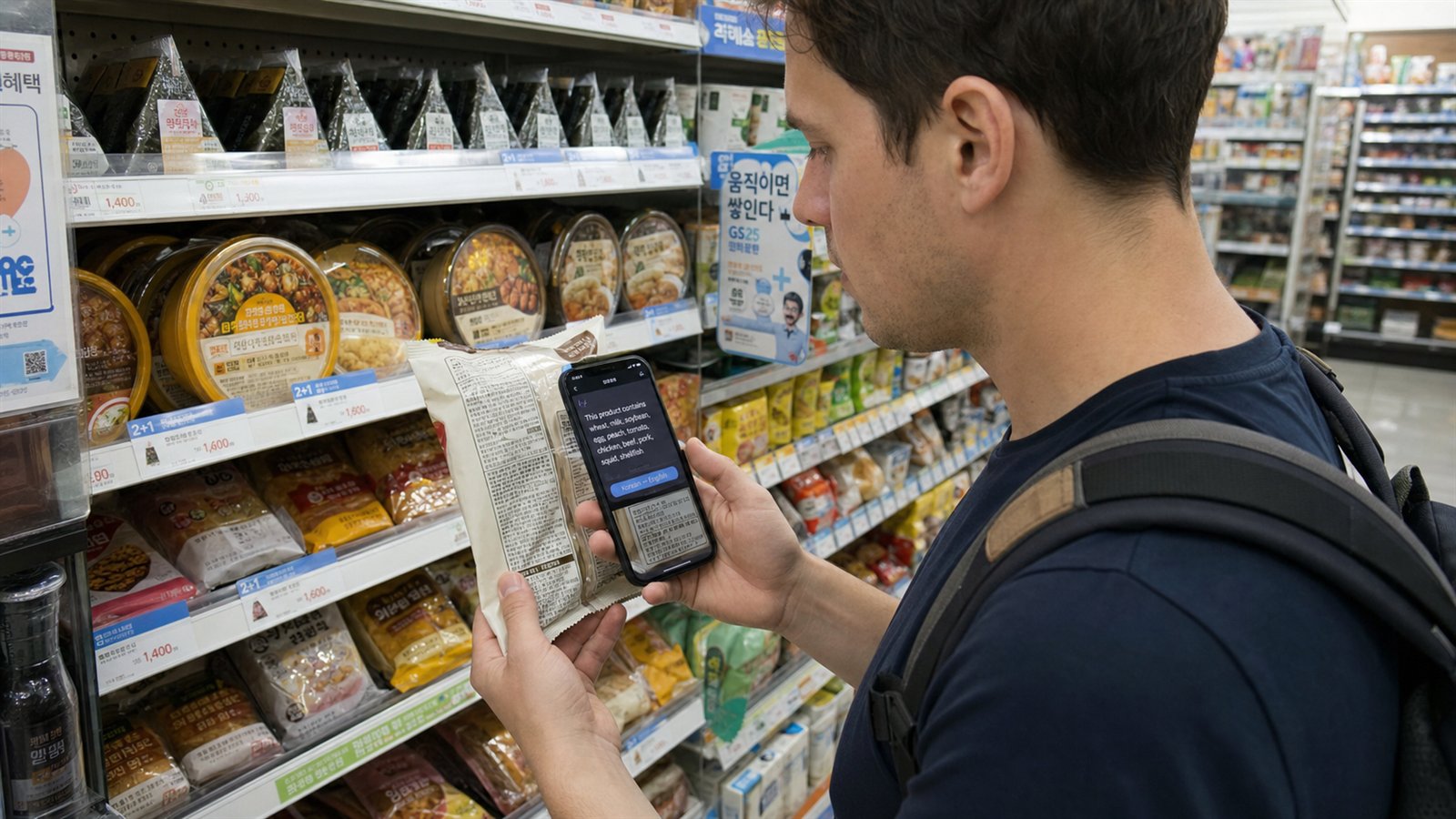
Convenience stores and supermarkets can be easier because packaged foods have ingredient labels. Translation apps help, but they are not enough for severe allergies. Look for allergen statements and avoid products when the translation is unclear.
What an Allergy Card Should Say
Your card should list the ingredient in English and Korean, explain that even a small amount is a problem, and mention broth, sauce, seasoning, and shared cooking tools if cross-contact matters.
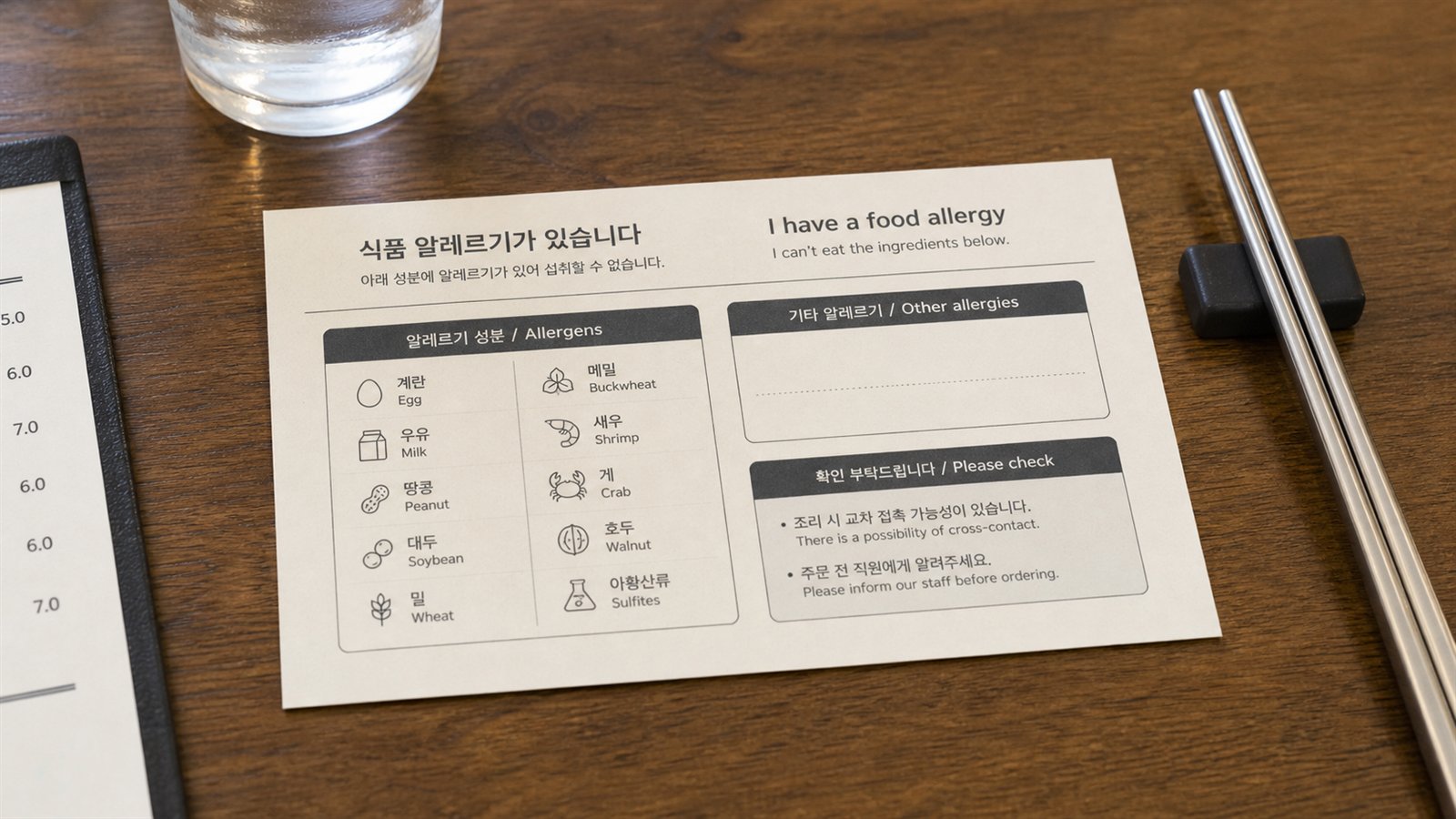
Useful phrases include:
- I have a severe allergy.
- I cannot eat even a small amount.
- Does this contain broth, sauce, or seasoning made with this ingredient?
- Do you use the same cooking tools or oil?
- If you are not sure, I cannot eat it.
Lower-Risk Ordering Strategy
Eat outside peak hours when staff have more time to answer. Choose simple dishes over stews, mixed rice rolls, dumplings, and market foods with many hidden ingredients. Keep backup packaged foods at your hotel if your restriction is strict.