Korean Soups and Stews Guide: How to Choose Jjigae, Tang, and Gukbap
A practical guide to Korean soup meals by spice level, solo dining, rice, side dishes, ingredients, and first-time ordering
Choose Korean soups and stews by format: jjigae for strong shared stew, tang for broth-based meals, and gukbap for rice-and-soup comfort.
Translated menus often turn many Korean dishes into the same word: soup. That hides the most useful difference. A jjigae, a tang, and a gukbap do not eat the same way, and choosing the wrong one can mean ordering something too spicy, too large, or too unfamiliar for your first meal.
The Three Useful Categories
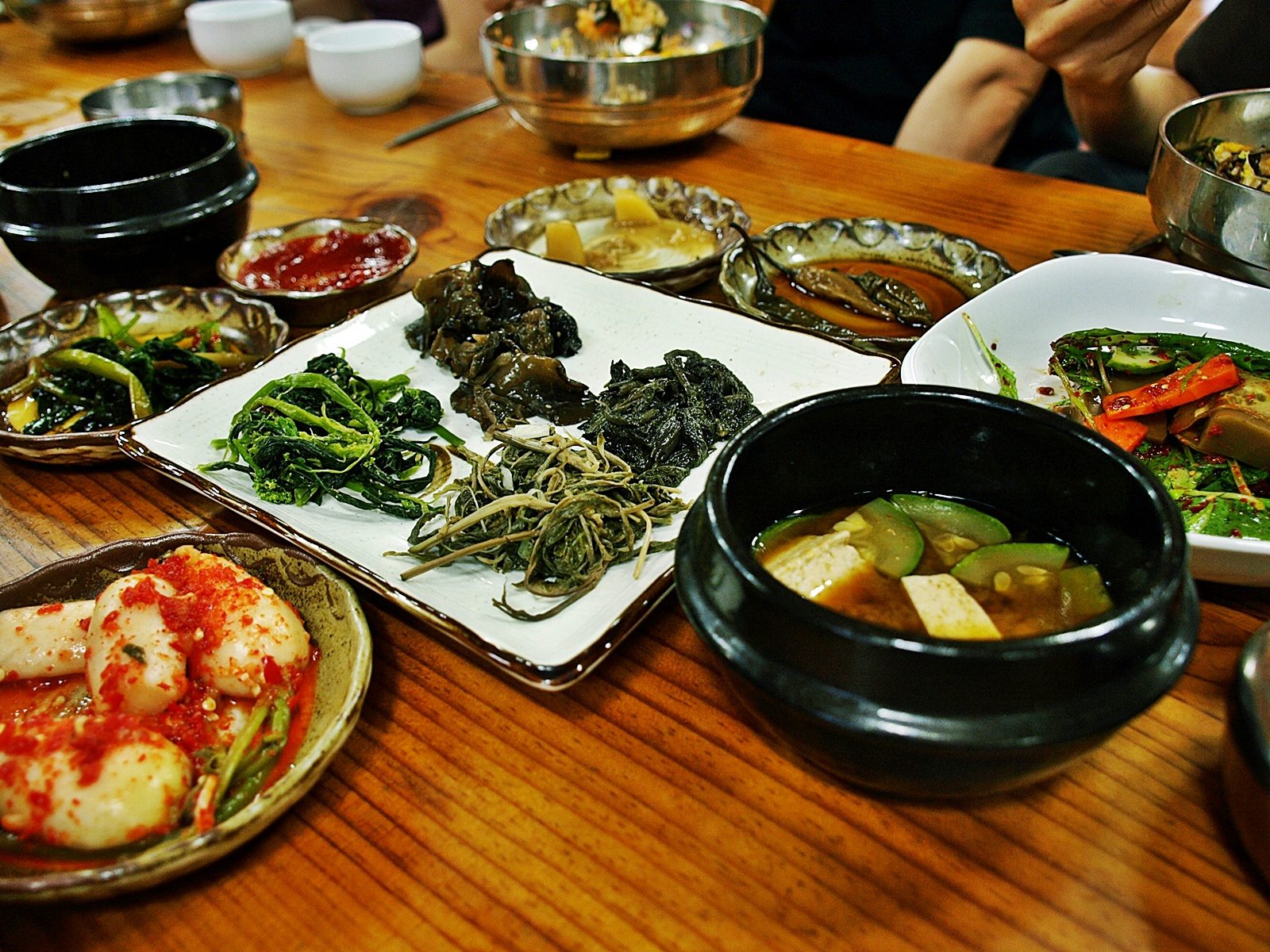
Jjigae is usually a stronger stew. It can be spicy, salty, shared, and served bubbling hot.
Tang is a soup or broth dish, often built around meat, bones, chicken, seafood, or vegetables.
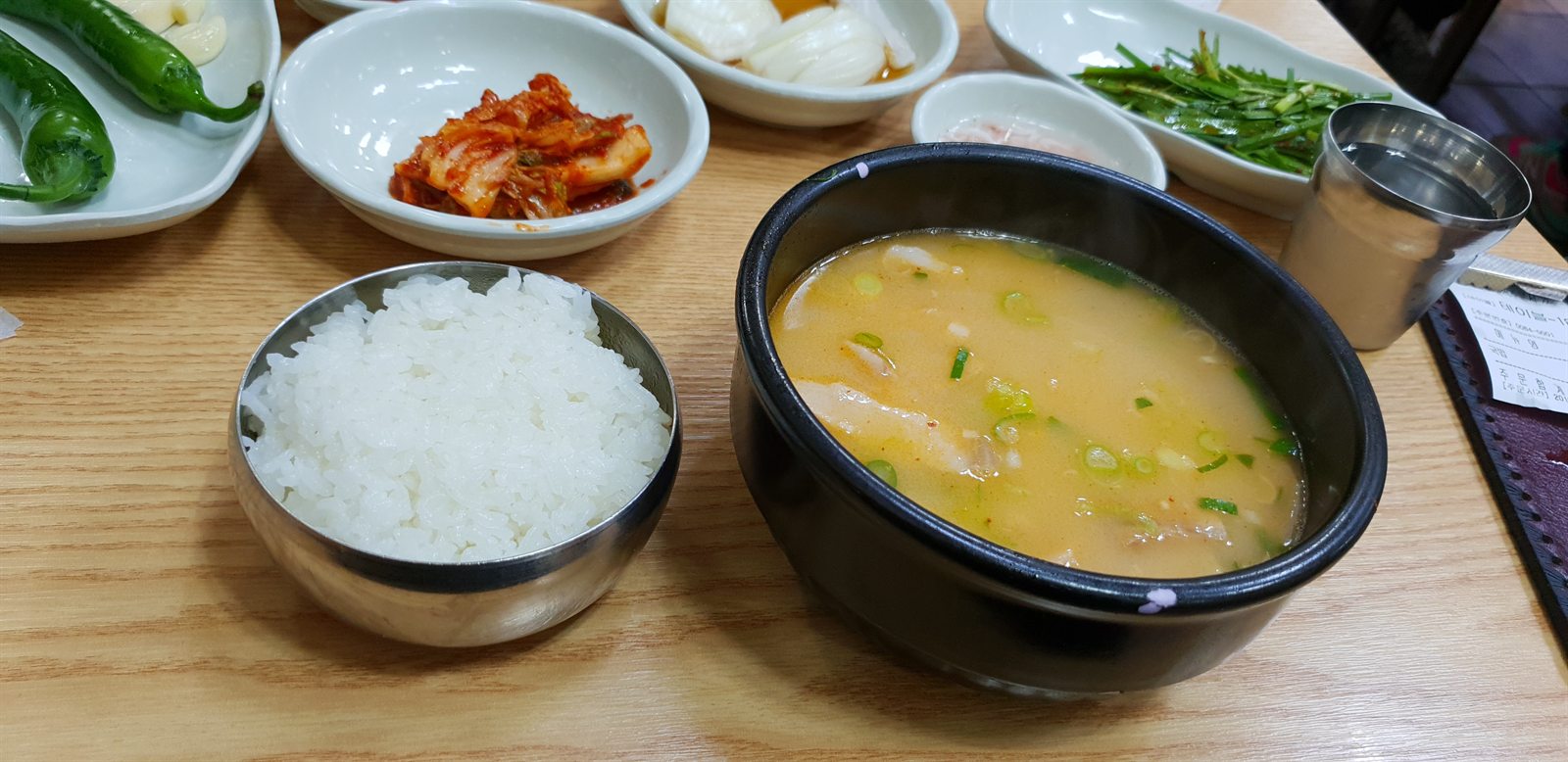
Gukbap means rice and soup. It is one of the easiest solo meals because it usually arrives as a full bowl with rice and side dishes.
Choose by Spice Level
Milder choices: seolleongtang, gomtang, samgyetang, some gukbap, and clear broths.
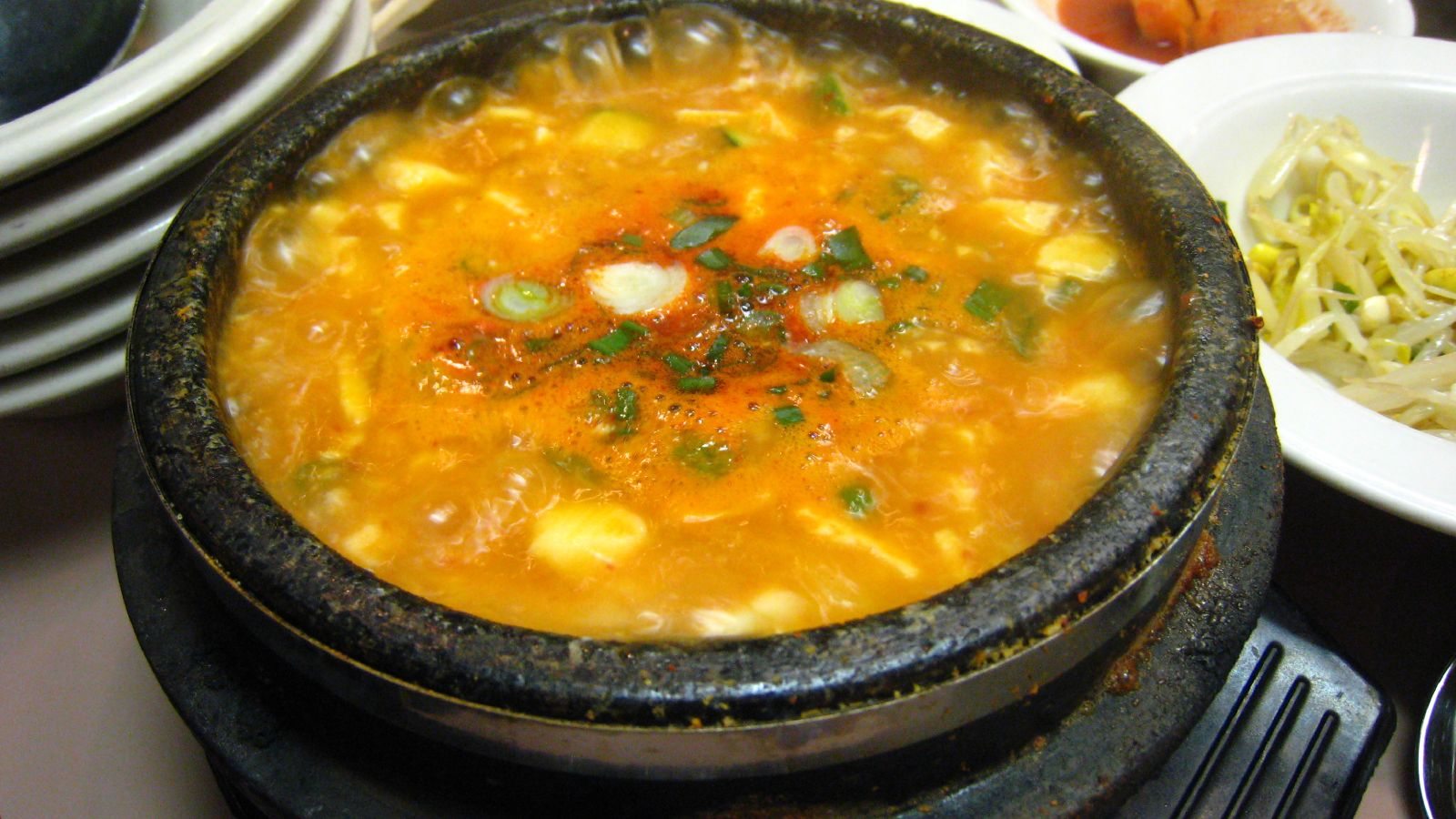
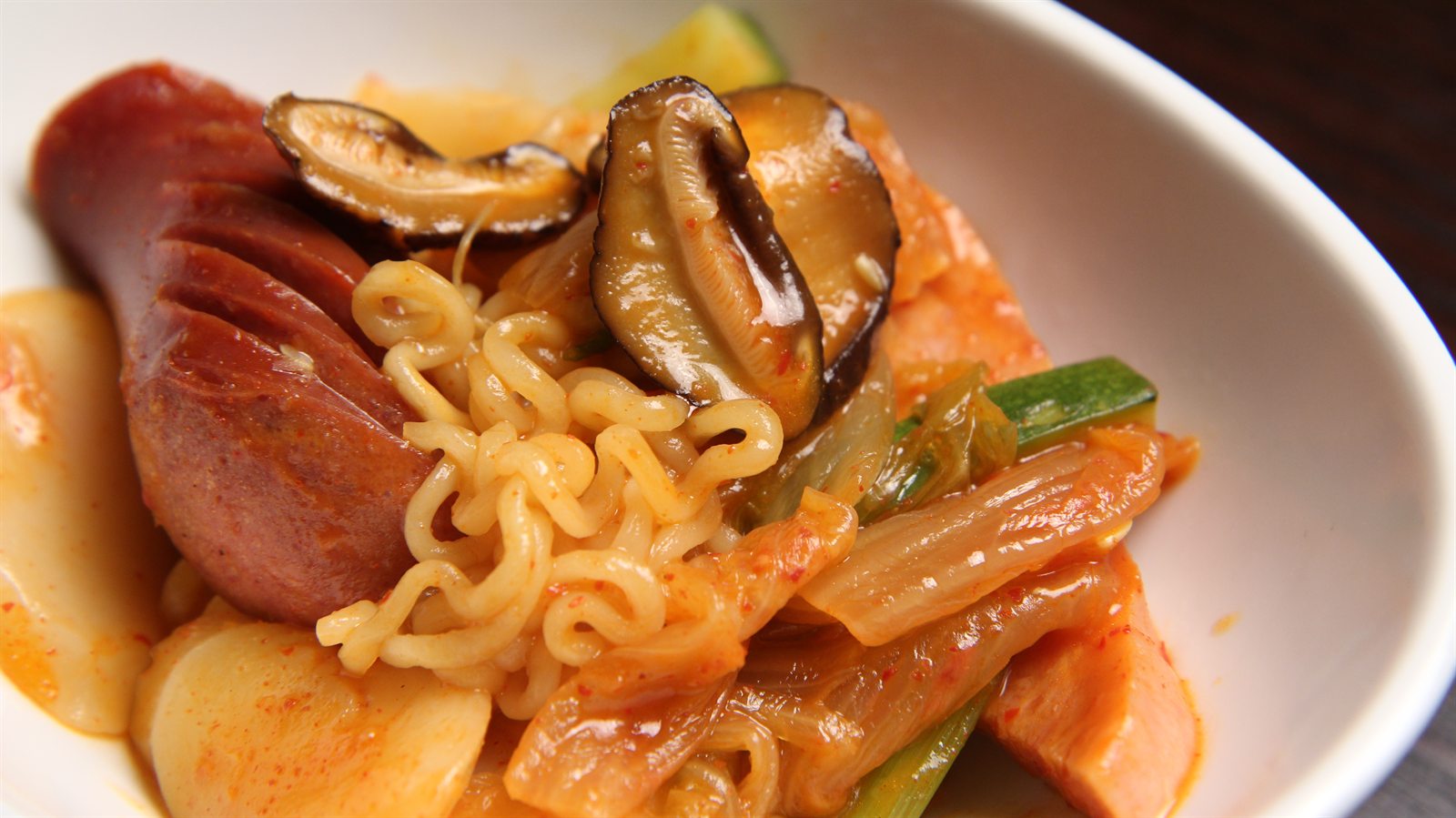
Medium to spicy choices: kimchi jjigae, sundubu jjigae, budae jjigae, gamjatang, and many seafood stews.
If you do not handle spice well, do not assume soup means gentle. Red broth is usually a warning sign, but non-red dishes can still contain pepper, garlic, or fermented ingredients.
Best First Orders
Samgyetang is a whole young chicken soup and works well when you want one clear main dish.
Seolleongtang or gomtang are mild beef soups where you season the broth yourself.
Dwaeji gukbap is especially associated with Busan and is good for a filling solo meal.
Doenjang jjigae is a useful first stew if you want fermented soybean flavor without the strongest chili heat.
How Rice and Side Dishes Work
Some meals include rice automatically; some require ordering rice separately; some are designed for rice to be added directly to the soup. Watch the table or ask simply: "rice included?" Side dishes are part of the meal, but not every side dish is meant to be dumped into the soup.
Shared Pot or Personal Bowl?
Many gukbap and tang restaurants serve individual bowls, which are easy for solo travelers. Some jjigae restaurants expect sharing from a pot, especially for two or more people. If you are alone, look for a one-person stew or soup restaurant rather than a large shared hotpot.
Ingredient Cautions
Broths may contain beef, pork, chicken, anchovy, seafood, shellfish, or fermented sauces even when the translated menu looks simple. If you have allergies or dietary restrictions, soup and stew menus require extra caution because ingredients can be hidden in the broth.