Nampo-dong Guide for First-Time Visitors
Markets, street food, Jagalchi Market, BIFF Square, Busan Tower, transport, and route tips for your first visit
Plan your first visit to Nampo-dong in Busan with markets, street food, Jagalchi Market, BIFF Square, Busan Tower, transport, and route tips.
Nampo-dong Guide for First-Time Visitors
Nampo-dong is where Busan feels less like a beach resort and more like an old port city full of markets, food streets, shopping alleys, seafood, and busy downtown energy.
If Haeundae and Gwangalli are about the sea, hotels, cafes, and night views, Nampo-dong is about walking through markets, eating small snacks, visiting Jagalchi Market, passing BIFF Square, and seeing a different side of Busan.
This Nampo-dong guide is an overview for first-time visitors. It does not go deeply into every market, because Jagalchi Market, Gukje Market, Gukje Kkangtong Market, BIFF Square, and Busan Tower can each become separate guides. The goal here is to help you understand how the area works and how to plan a simple route.
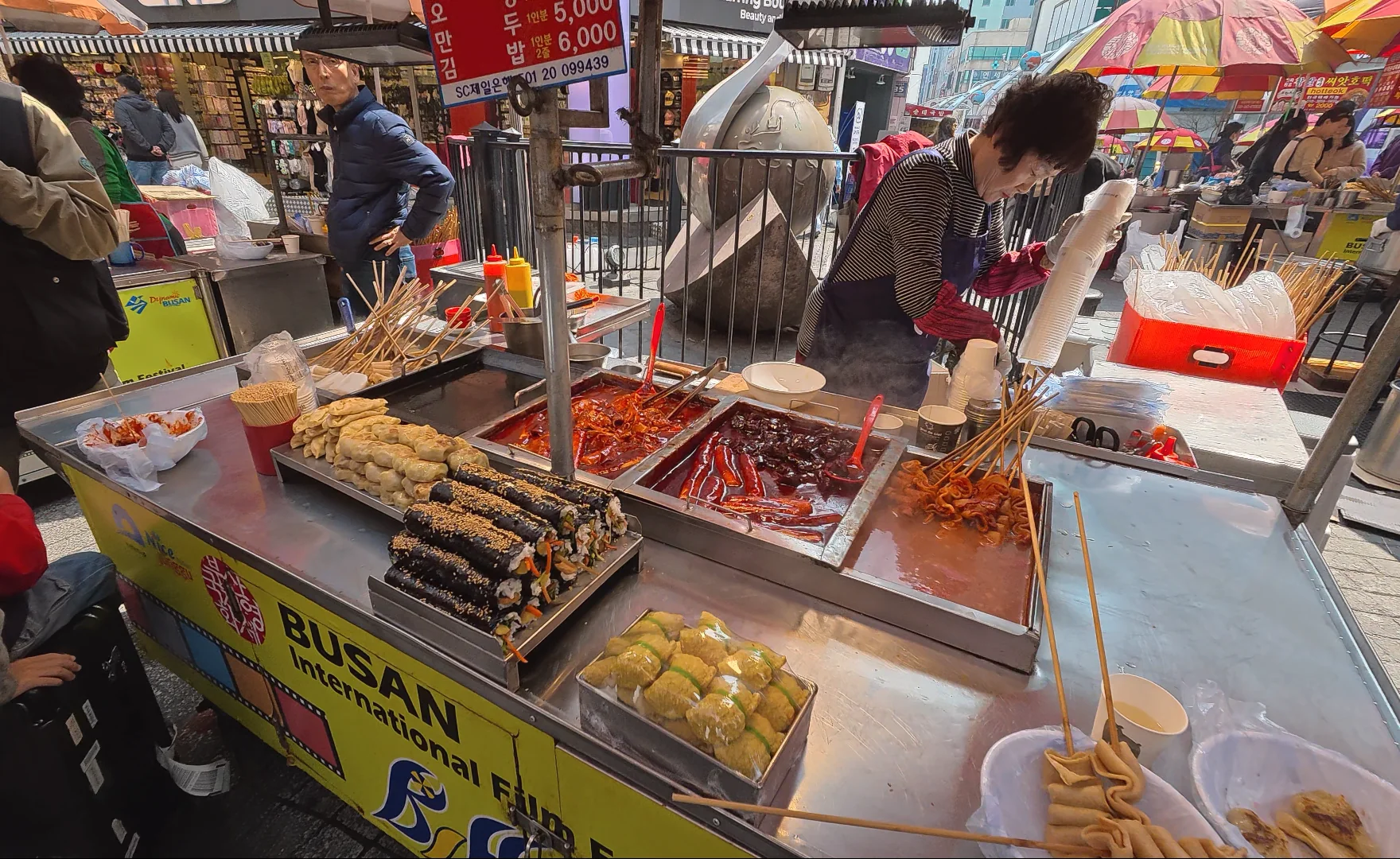
What Is Nampo-dong?
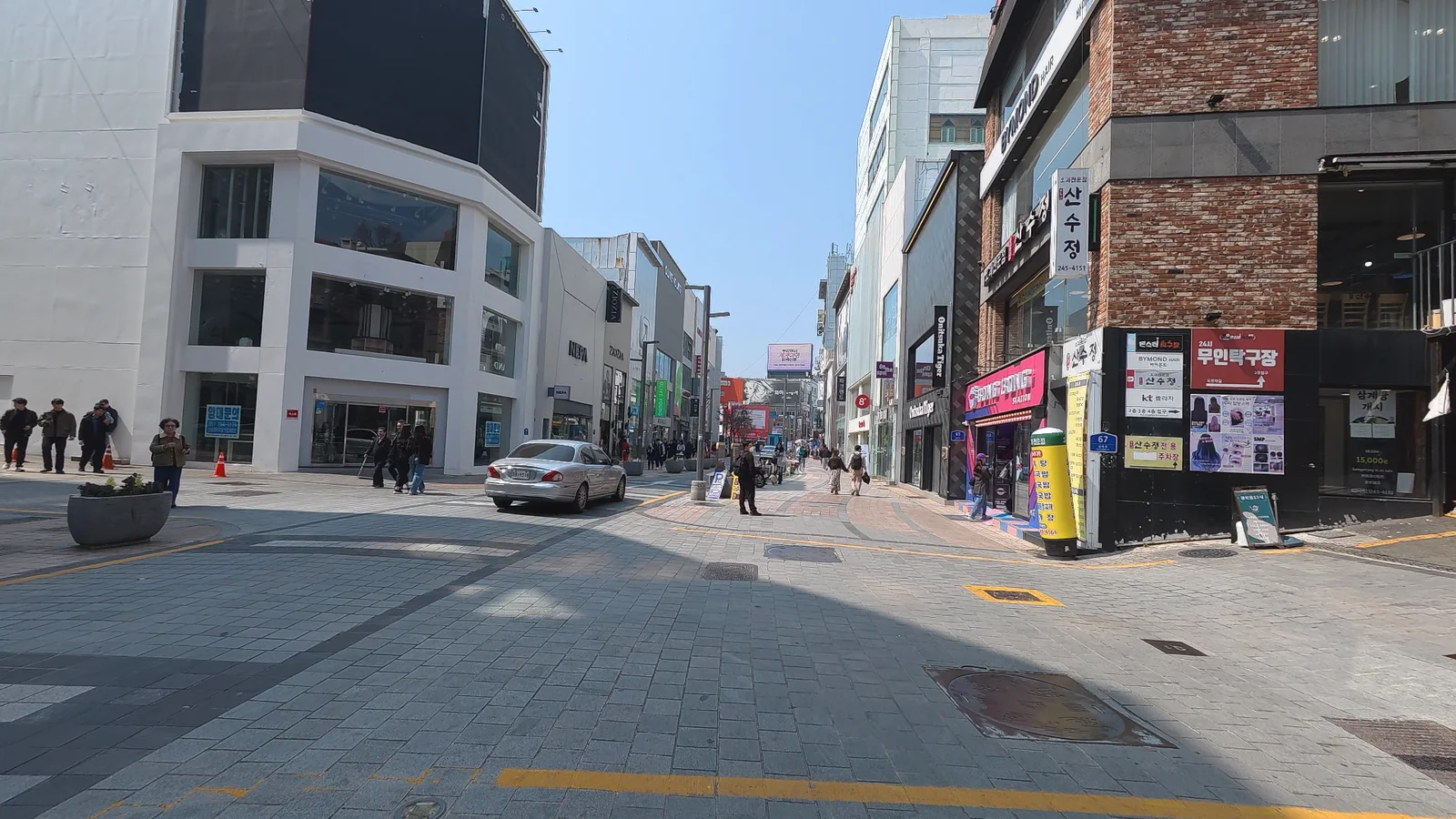
Nampo-dong is an old downtown area in Jung-gu, Busan. For travelers, the name often refers to a wider walking area around Nampo Station, Jagalchi Station, BIFF Square, Gukje Market, Gukje Kkangtong Market, Gwangbok-ro, Yongdusan Park, Busan Tower, and Jagalchi Market.
One of the best things about Nampo-dong is that many places are close enough to combine on foot. You can move from BIFF Square to market streets, continue toward Gukje Market or Gukje Kkangtong Market, walk to Jagalchi Market, and add Yongdusan Park or Gwangbok-ro depending on your time.
It is a good area when you want to experience Busan's market and food culture without building a complicated transport plan.
Why First-Time Visitors Should Consider Nampo-dong
Nampo-dong is useful because it gives you a different kind of Busan from the beach districts.
It is especially good if you want:
- Traditional markets
- Street food
- Seafood and Jagalchi Market
- Shopping streets
- Older downtown atmosphere
- A walkable half-day route
- A food-focused evening
- Easy access from Busan Station
If your Busan trip only includes Haeundae and Gwangalli, you may leave with a mostly beach-and-cafe impression of the city. Nampo-dong adds the market, port, and old downtown side.
Main Places to See in Nampo-dong
Keep this section simple on your first visit. You do not need to study every alley before going.
BIFF Square
BIFF Square is one of the easiest starting points for a Nampo-dong walk. It is associated with the Busan International Film Festival, but for most travelers today it is also a busy street-food and shopping area.
This is where many visitors try snacks such as ssiat hotteok, or Busan-style seed-filled hotteok. It is also a practical meeting point before walking toward Gukje Market, Gukje Kkangtong Market, or Jagalchi Market.
Gukje Market
Gukje Market is one of Busan's best-known traditional markets. You can find clothing, household items, souvenirs, small shops, food alleys, and a maze-like market atmosphere.
Do not treat it like a single neat indoor mall. It is better to wander slowly, look into side alleys, and accept that you may not see everything.
Gukje Kkangtong Market
Gukje Kkangtong Market is close to Gukje Market but has a stronger food focus for many visitors. It is often associated with snacks, casual food, and night-market energy.
Night market schedules, operating days, and food-stall availability can change. If the night market is important to your plan, check current information before going.
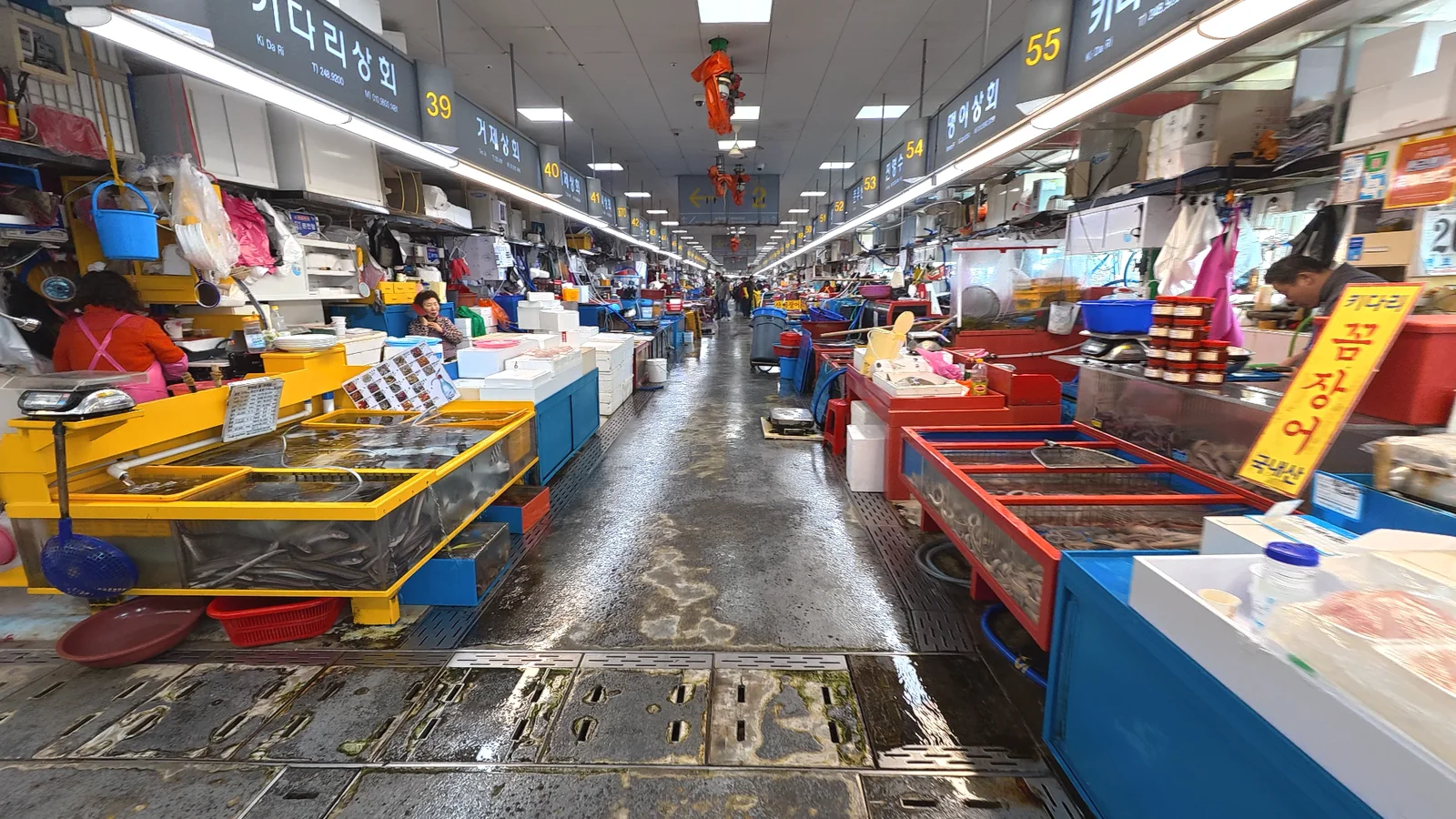
Jagalchi Market
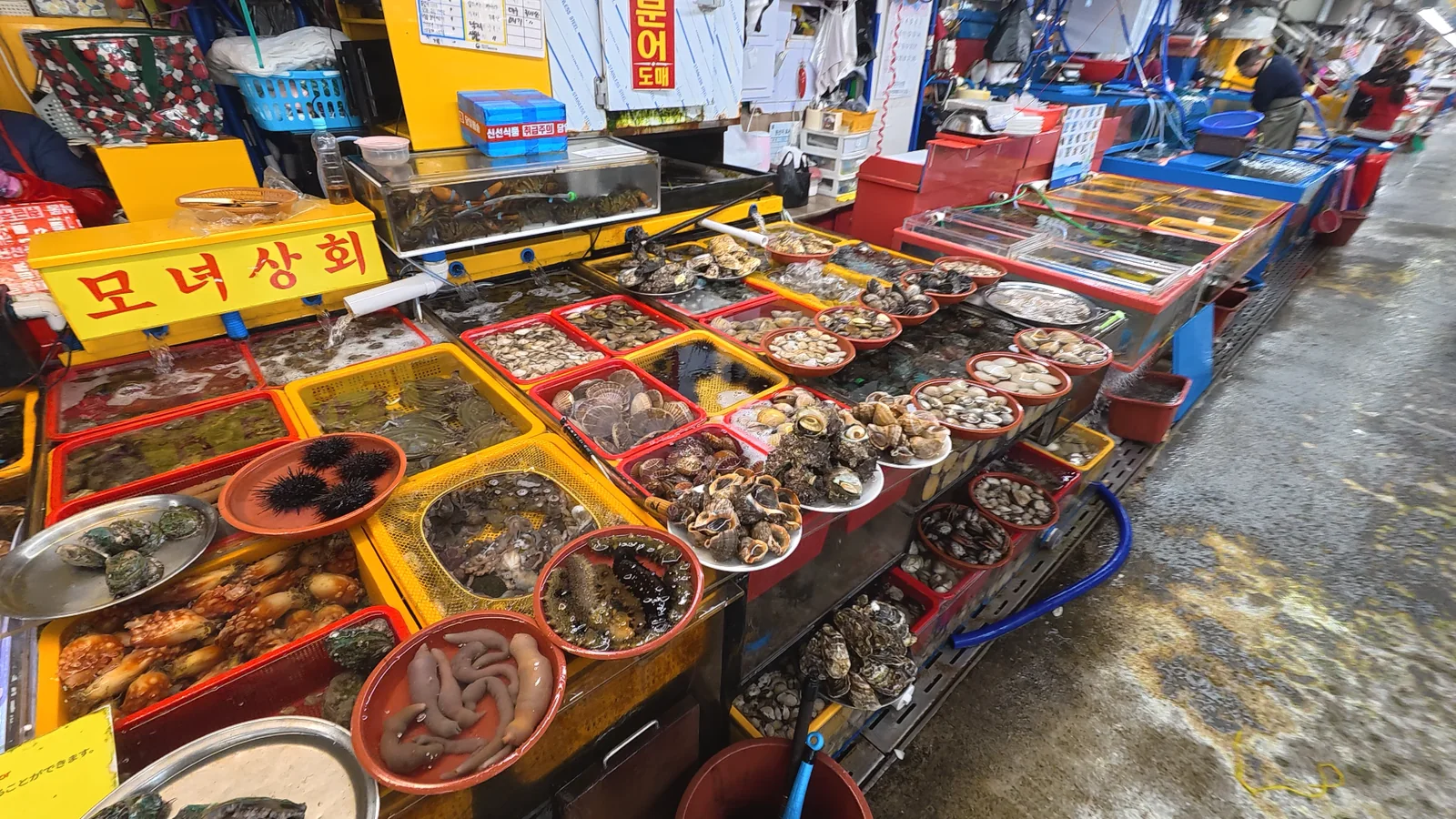
Jagalchi Market is Busan's most famous seafood market and one of the area's strongest visitor attractions.
You can walk around to see seafood displays, compare restaurants, or eat seafood nearby. Some visitors love the lively market atmosphere, while others may find the smell, crowds, and live seafood displays intense. Go with realistic expectations.
Yongdusan Park and Busan Tower
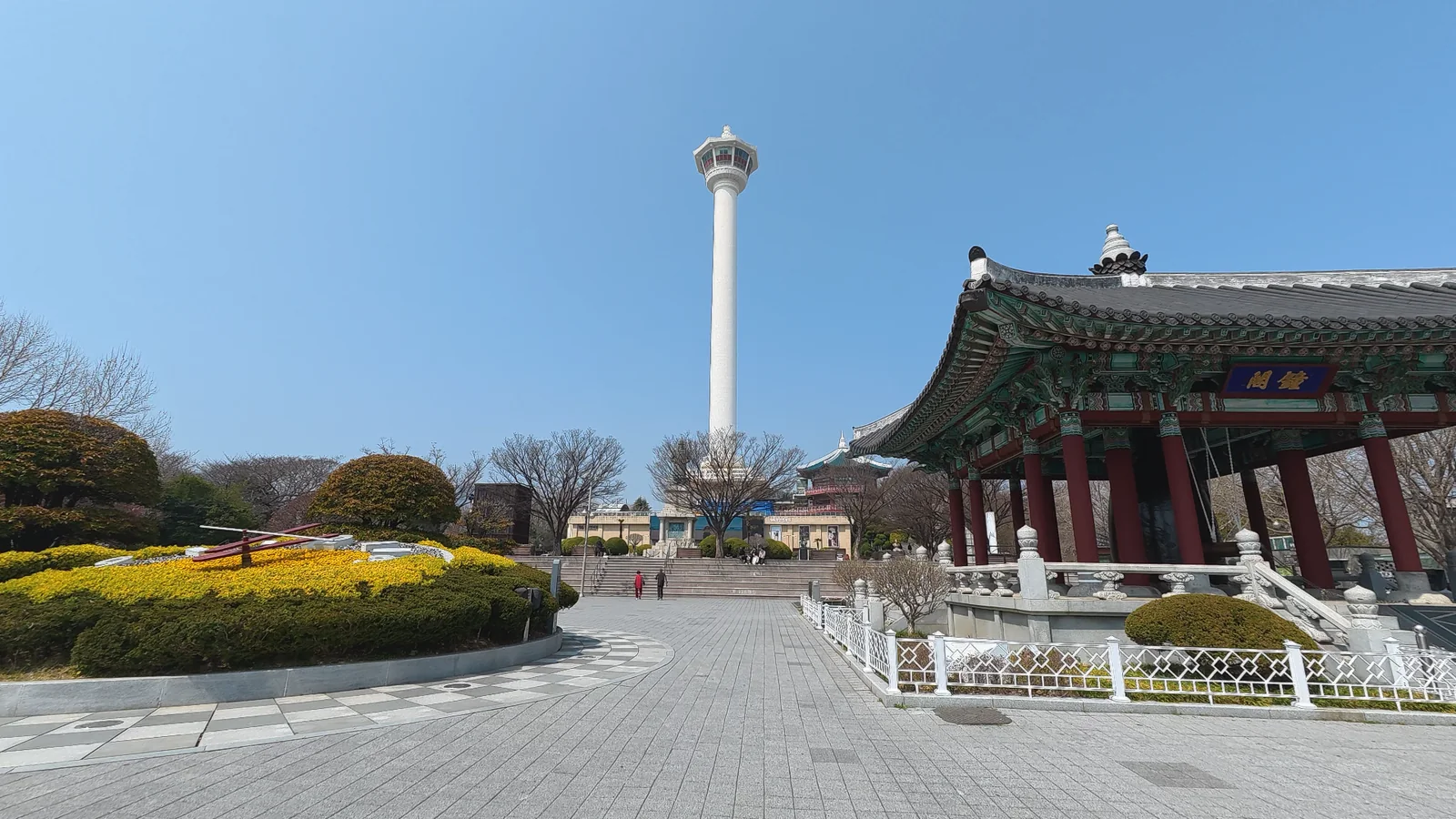
Yongdusan Park sits above the Nampo-dong area and is connected with Busan Tower, officially known as Busan Diamond Tower in some current tourism information.
It is a useful viewpoint if you want a break from the market streets. Visit Korea and Visit Busan list Busan Tower operating information, but hours, ticket prices, last admission, and weather-related changes should be checked before visiting.
Gwangbok-ro Shopping Street
Gwangbok-ro is a shopping and walking street near Nampo-dong. It works well as a softer break between markets, food streets, and the tower area.
If you prefer structured shopping over market wandering, include Gwangbok-ro in your route.
What to Eat in Nampo-dong
Nampo-dong is one of the easiest areas in Busan for snack-style travel.
Instead of choosing one famous restaurant and building the whole visit around it, think in food categories:
- Ssiat hotteok
- Busan eomuk
- Tteokbokki
- Milmyeon
- Pork rice soup
- Sashimi and seafood
- Grilled fish
- Market snacks
- Simple Korean meals
BIFF Square and the market streets are useful for snacks. Jagalchi Market and nearby alleys are better for seafood. Gukje Market and Gukje Kkangtong Market are better for market wandering and casual food.
Bring a little cash as a backup. Many places accept cards, but small stalls, older shops, or market situations can be easier with cash.
How to Combine Jagalchi Market and Nampo-dong
Jagalchi Market is close enough to combine naturally with Nampo-dong.
A simple route is:
- Start around BIFF Square
- Walk through Gukje Market or Gukje Kkangtong Market
- Continue toward Gwangbok-ro or Yongdusan Park
- Cross toward Jagalchi Market for seafood or market views
You can also reverse the route if you want to eat seafood first and finish with street food or shopping.
Do not assume you need a taxi between every stop. The main visitor points are close enough that walking is usually part of the experience.
Gukje Market vs Gukje Kkangtong Market
The two markets are close, and first-time visitors often confuse them.
Think of Gukje Market as the larger traditional-market area with many types of goods: clothing, household items, souvenirs, food alleys, and general market shopping.
Think of Gukje Kkangtong Market as a better target if you are mainly interested in snacks, casual food, and night-market-style atmosphere.
This is a simplification, because the areas overlap in real life. But for planning, it helps: Gukje Market for wandering and shopping, Kkangtong Market for food-focused stops.
Nampo-dong vs Haeundae and Gwangalli
Nampo-dong, Haeundae, and Gwangalli all show different sides of Busan.
Haeundae is best for a famous beach, sea-view hotels, a resort-like mood, and nearby coastal attractions.
Gwangalli is best for Gwangan Bridge views, cafes, restaurants, and a lively evening beach atmosphere.
Nampo-dong is best for markets, street food, seafood, shopping streets, old downtown energy, and an easy walking route through several classic Busan spots.
If you are visiting Busan for the first time, a balanced trip might include one beach area and one market area. Haeundae or Gwangalli gives you the sea; Nampo-dong gives you the market streets.
Where to Stay in Nampo-dong
Nampo-dong can be a good base if you want markets, food, and old downtown atmosphere close to your hotel.
It suits travelers who want:
- Easy access to Jagalchi Market and Gukje Market
- Street food and shopping nearby
- A walkable evening area
- A base closer to Busan Station than Haeundae
- Access to Nampo, Jagalchi, and nearby Line 1 stations
- A more local downtown feeling
It can also work well if your Busan trip includes Gamcheon Culture Village, Yeongdo, Songdo, or the western side of the city, because those areas are generally easier from Nampo than from far eastern beach districts.
When Nampo-dong May Not Be the Best Base
Nampo-dong is not the right base for every traveler.
Consider another area if you want:
- A beach directly outside your hotel
- A sea-view resort stay
- Large upscale hotels with ocean views
- A quiet vacation mood
- A cafe-and-beach atmosphere
- Fast access to Haeundae or eastern Busan every day
Choose Haeundae if you want a beach hotel. Choose Gwangalli if you want bridge views and evenings by the water. Choose Seomyeon if you want a more central transport base for moving around the city.
Nampo-dong is best when your trip is built around markets, food, walking, and old downtown Busan.
How to Get to Nampo-dong
Use Naver Map or KakaoMap for exact routes, because the best station depends on your first stop.
For many travelers, Nampo Station and Jagalchi Station on Busan Metro Line 1 are the most useful stations.
From Busan Station
Nampo-dong is relatively easy from Busan Station by subway, taxi, or bus. If you are arriving by KTX and want a first meal or market walk before checking in elsewhere, Nampo-dong can be a convenient first stop.
From Seomyeon
From Seomyeon, you can use the subway with a transfer or follow the route your map app recommends. It is a practical route for a half-day market visit.
From Haeundae
Haeundae is on the eastern side of Busan, while Nampo-dong is closer to the old downtown and port side. The subway is possible, but it takes time. If you plan to visit both in one day, do not underestimate the travel distance.
Suggested Half-Day Route
For a simple half-day visit:
- Arrive at Jagalchi Station or Nampo Station
- Start at BIFF Square
- Walk through Gukje Market
- Try street food or snacks
- Continue to Jagalchi Market
- Finish with Gwangbok-ro or Yongdusan Park if you have energy
This route works well if you want the market atmosphere without trying to see every corner.
Suggested Full-Day Route
For a fuller Nampo-dong day:
- Start at Yongdusan Park and Busan Tower
- Walk down toward Gwangbok-ro
- Visit BIFF Square
- Explore Gukje Market
- Add Gukje Kkangtong Market for food
- Visit Jagalchi Market
- Eat seafood or finish with market snacks
This route gives you the old downtown, shopping street, markets, and seafood side of Busan in one day.
Suggested Evening Route
For a food-focused evening:
- Start near BIFF Square
- Try street snacks
- Walk toward Gukje Kkangtong Market
- Check whether the night market or food stalls are operating
- Continue to Jagalchi Market or nearby seafood restaurants
- Finish with a short Gwangbok-ro walk
Check current operating hours before planning a late-night market route. Do not assume every stall or market area stays open late.
Common First-Time Mistakes
Avoid these Nampo-dong mistakes:
- Thinking Gukje Market and Gukje Kkangtong Market are exactly the same
- Assuming Jagalchi Market is far from the Nampo-dong walking area
- Planning too many markets without rest
- Arriving too late and expecting every shop to be open
- Forgetting that small stalls may be easier with cash
- Expecting a quiet or polished resort atmosphere
- Booking Nampo-dong expecting a beach view
- Choosing only one famous snack and missing the wider market area
- Not checking Busan Tower hours or last admission
- Trying to combine Haeundae, Gwangalli, Nampo-dong, and Gamcheon too tightly in one day
Before You Go Checklist
- Save BIFF Square, Gukje Market, Gukje Kkangtong Market, and Jagalchi Market
- Check your best subway station: Nampo or Jagalchi
- Check market hours if visiting late
- Check Busan Tower hours and last admission if going up
- Bring a small cash backup
- Wear comfortable shoes
- Keep your route flexible
After You Arrive Checklist
- Start with one easy landmark such as BIFF Square
- Walk slowly through the market streets
- Try one or two snacks instead of rushing
- Check whether you want seafood at Jagalchi Market
- Decide whether to add Busan Tower or save it for another time
- Confirm your return route before it gets too late
Nampo-dong is not the calmest part of Busan, and that is part of the point. It is busy, food-focused, market-heavy, and full of small streets. For first-time visitors, it is one of the easiest ways to feel Busan beyond the beaches.
Information verified July 2, 2026. Market hours, night market schedules, holidays, Busan Tower hours, admission fees, and event schedules can change. Check official sources before planning around time-sensitive details.
Sources: Visit Busan, Visit Korea, Busan Tower tourism information, and KoreaToDo practical access pages.