Seoul Bus Guide: City Buses, Village Buses, Airport Buses, and Transfer Tips
Understand Seoul city buses, village buses, airport buses, card taps, stop direction, transfers, and luggage tips
Seoul buses can make travel easier when a destination is far from the subway. Learn how city buses, village buses, airport buses, card taps, stop direction, and transfers work.
Seoul's subway system is usually the easiest way for first-time visitors to get around, but buses can be very useful once you understand the basics. They reach neighborhoods, hills, hotels, markets, and entrances that may be a long walk from the nearest subway station.
The challenge is that Seoul buses can feel less obvious than trains. You need to check the bus number, the direction of the stop, where to tap your card, and when a bus is better than the subway. This guide focuses on the practical things foreign travelers need before using Seoul buses for sightseeing.
Main Types of Seoul Buses
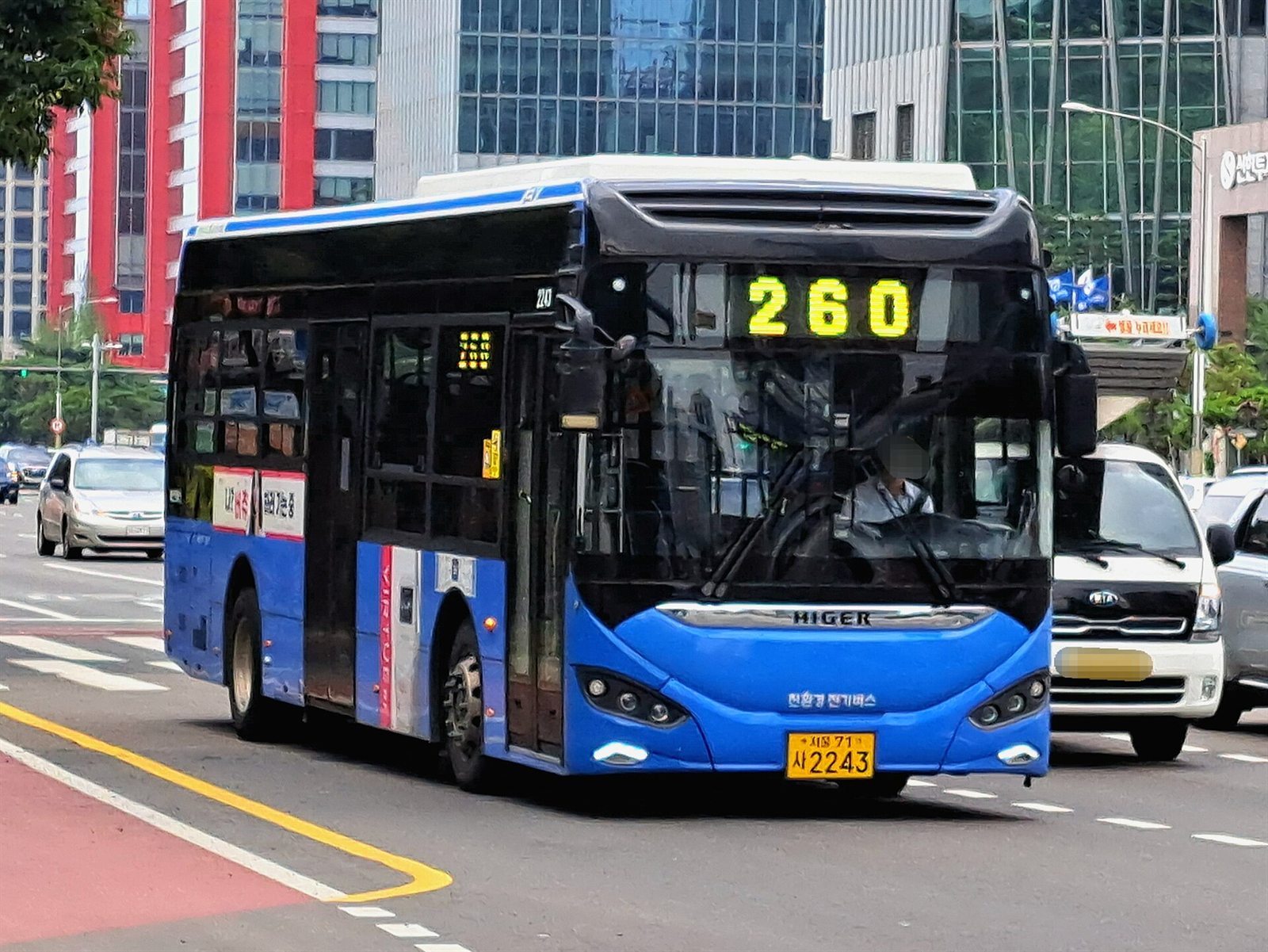
Most visitors will notice three useful bus types: city buses, village buses, and airport buses.
City buses are the normal public buses that connect major roads, subway stations, shopping areas, universities, and residential districts. They are useful when your destination is not right beside a subway exit.
Village buses are smaller local buses that cover shorter neighborhood routes. They are common in hilly or residential areas and can be helpful for reaching hotels, guesthouses, cafes, or local streets that are awkward to reach on foot.
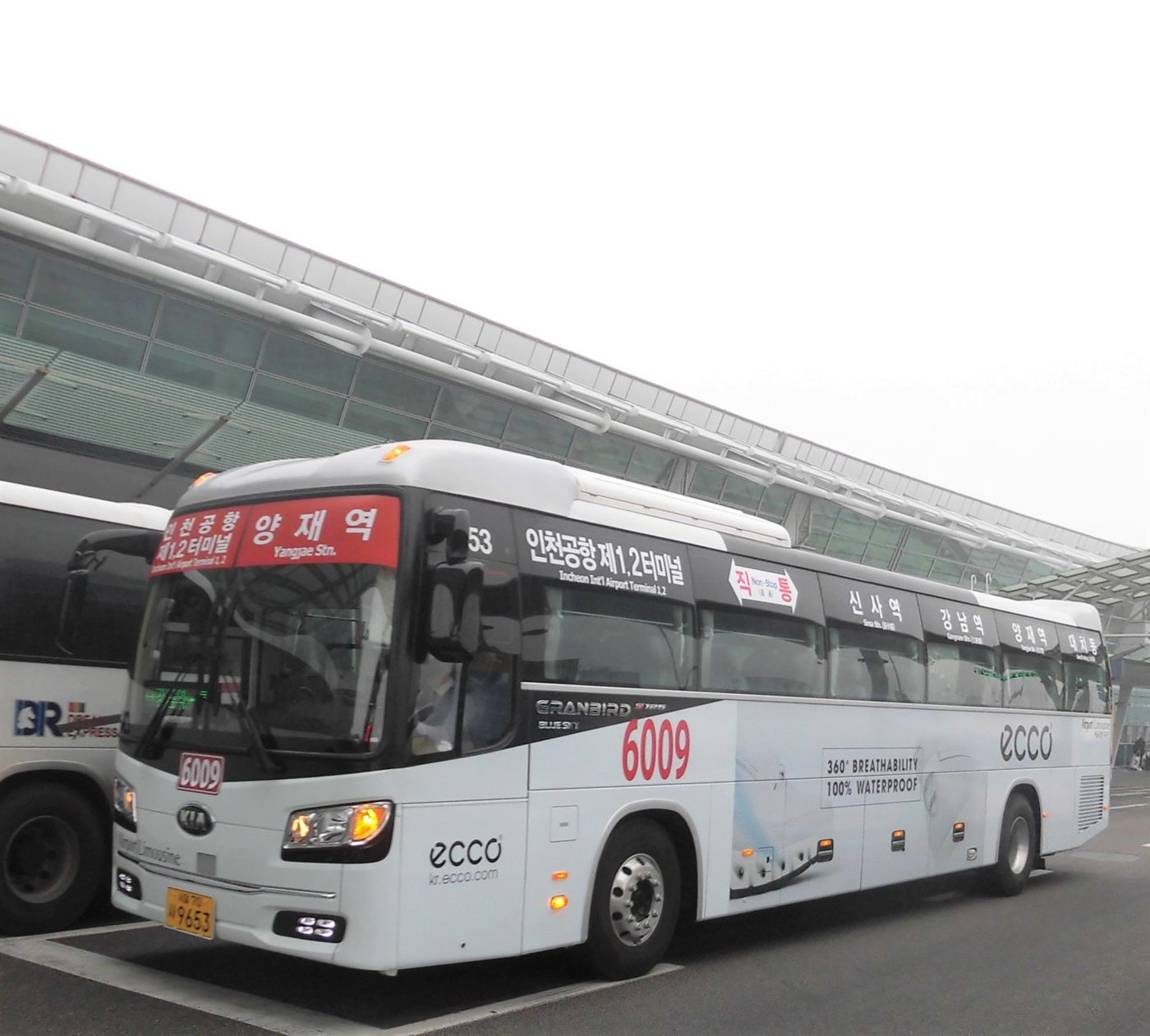
Airport buses connect Incheon International Airport or Gimpo Airport with major districts, hotels, and transport hubs in Seoul. They are usually more comfortable when you have large luggage, although routes, stops, tickets, and schedules should be checked before travel.
Understanding Bus Colors
Seoul buses use colors to show the general type of route. You do not need to memorize every category, but the colors can help you avoid confusion.
Blue buses usually run longer trunk routes across major parts of Seoul. Green buses usually connect local areas with subway stations and nearby districts. Other colors may appear for wider regional routes, airport routes, or special services.
For travelers, the number and destination matter more than the color alone. Use the color as a clue, then confirm the bus number and direction in Naver Map or KakaoMap before boarding.
Check the Stop Direction
The most common bus mistake in Seoul is waiting at the correct stop name but on the wrong side of the road.
Many bus stops have similar or identical names in opposite directions. If you only look at the stop name, you may board a bus going away from your destination. Before you wait, check the map app route, the bus stop ID when available, and the next few stops shown in the app.
If the bus is moving away from your destination on the map, cross to the correct side or choose another nearby stop. This one check saves a lot of wasted time.
How to Board and Pay
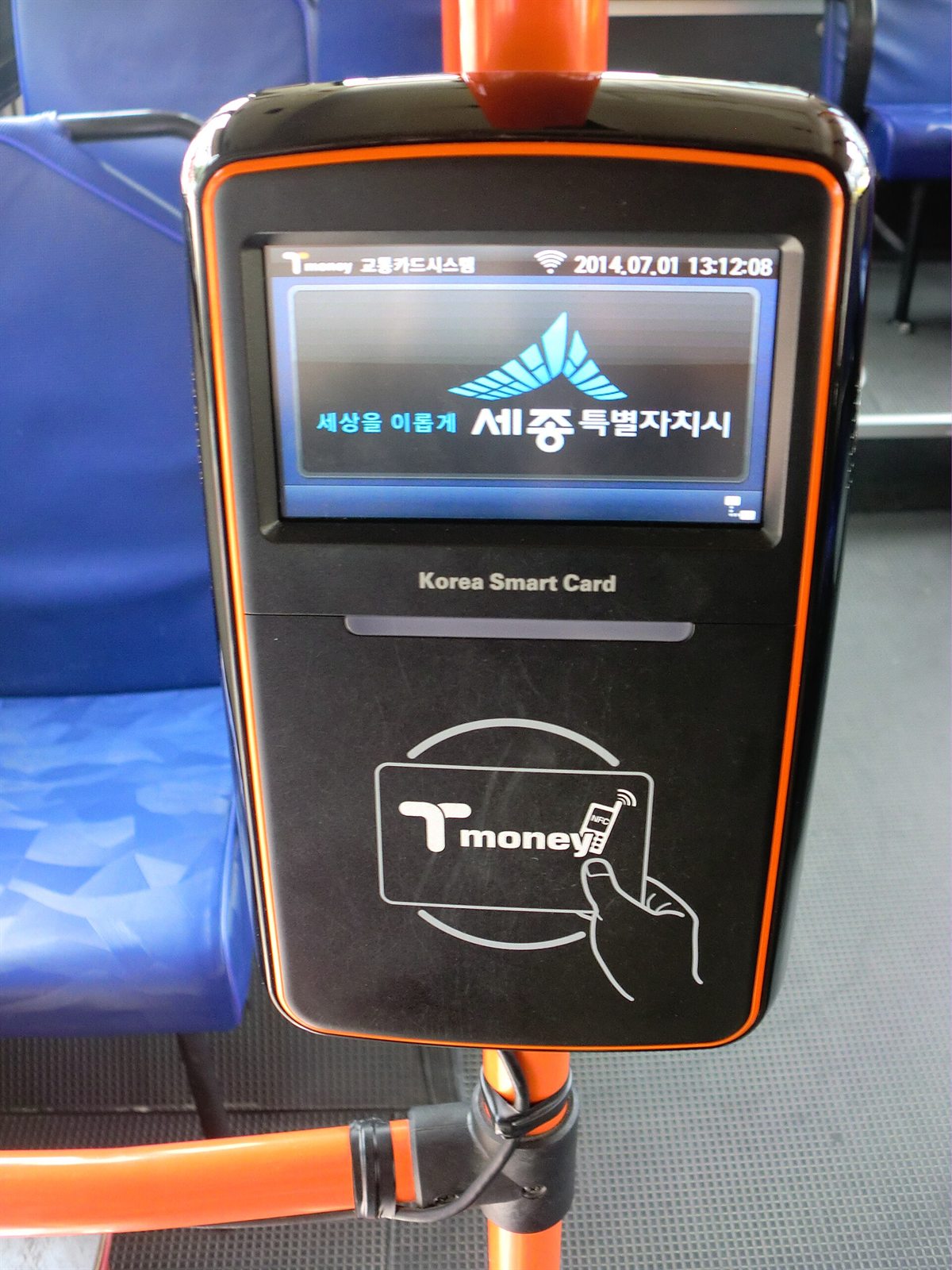
Most Seoul city buses use front-door boarding. Tap your transportation card, such as T-money or a compatible transit card, on the reader near the driver when you get on.
When you get off, tap your card again on the reader near the exit door. This is especially important if you plan to transfer to another bus or the subway. If you forget the exit tap, your fare calculation or transfer benefit may not work as expected.
Use the same card throughout your trip. Switching between different cards can break the transfer chain.
Subway and Bus Transfers
Buses work best when combined with the subway. A common Seoul route might be subway for the long distance, then a short bus ride for the final part of the trip.
For example, you might take the subway to the closest station, then use a village bus or city bus to reach a hilltop area, a market entrance, a hotel street, or a place where walking from the subway would take too long.
Transfer rules and time limits can change, so check current official information if the exact fare matters. For everyday sightseeing, the practical rule is simple: use one transportation card, tap when boarding, tap when getting off, and follow the route shown in your map app.
Using Naver Map or KakaoMap
For buses in Seoul, a map app is not optional. It is the easiest way to find the correct stop, direction, bus number, arrival time, and walking route after you get off.
Before boarding, check:
- Bus number
- Stop direction
- Estimated arrival time
- Number of stops to ride
- Stop where you need to get off
- Walking route after arrival
Keep your phone where you can see it during the ride. Korean bus stops may be announced in multiple ways, but a live map makes it much easier to avoid missing your stop.
Luggage and Rush Hour
Regular Seoul city buses are not ideal for large suitcases. During rush hour, buses can be crowded, aisles can be narrow, and it may be difficult to move to the exit in time.
If you have a large suitcase, consider the subway with elevators, AREX, an airport bus, or a taxi depending on your route. Airport buses are often easier for airport transfers because many routes are designed with luggage in mind.
Avoid using a busy local bus with big luggage if you are unfamiliar with the route. It can be stressful for you and inconvenient for other passengers.
When Airport Buses Make Sense
Airport buses can be a good choice when your hotel is near a bus stop, when you have heavy luggage, or when you prefer a simpler above-ground route instead of several subway transfers.
They may not always be the fastest option. Traffic can affect travel time, and route coverage varies by district. Before choosing an airport bus, check the latest route, stop location, schedule, ticket method, and whether the stop is close enough to your accommodation.
For travelers staying near Seoul Station, AREX may still be more convenient. For travelers staying near hotels served directly by an airport bus, the bus may feel easier.
Common Mistakes
The biggest mistake is boarding from the wrong side of the road. Always check the route direction, not just the stop name.
Another mistake is forgetting to tap off. Even if you are getting off quickly, tap your card at the exit reader.
Some travelers look only at the bus number and ignore the final destination or route direction. This can be risky because some routes have branches or stops in both directions.
Travelers also underestimate rush hour. If you have luggage or need to arrive on time, avoid tight plans during busy commuting periods.
Finally, do not assume that airport buses all stop at every hotel or every major station. Each route has its own stops.
Checklist Before You Ride
- Install Naver Map or KakaoMap.
- Confirm the bus number and stop direction.
- Check the stop ID or next stops if you are unsure.
- Use the same transportation card for the whole trip.
- Tap when boarding and tap again when getting off.
- Watch your live route so you do not miss your stop.
- Avoid crowded local buses with large luggage.
- Check airport bus routes and schedules before relying on them.
Seoul buses are easiest when you use them as part of a wider transport strategy. Use the subway for long, simple routes, use buses for the final stretch, and use airport buses when luggage and hotel location make them practical.