Seoul Jokbal and Bossam Guide: What to Order, How Much, and Where to Start
A practical guide to Korean jokbal, bossam, Jangchung-dong, late-night takeout, portion size, sauces, wraps, and allergies
Understand jokbal and bossam before ordering: texture, portion size, wraps, sauces, late-night culture, and which Seoul area fits your route.
Jokbal and bossam are not hard foods to order, but they are easy to misjudge. The portions are often built for sharing, the side dishes matter, and the textures are very different from grilled pork belly. If you know that before sitting down, the meal feels much less intimidating.
Start With Bossam If Texture Worries You
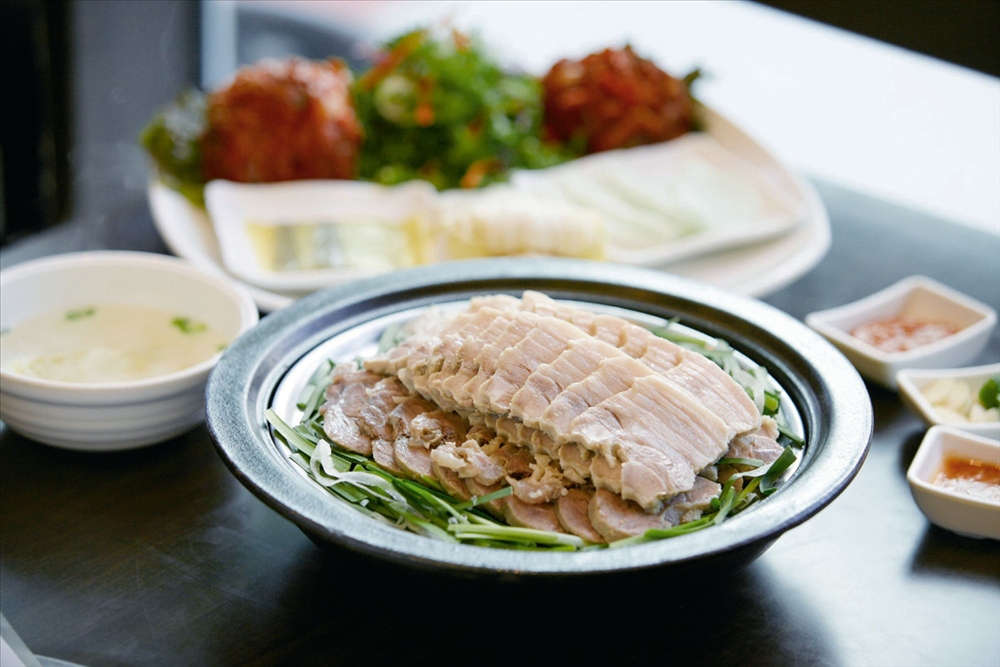
Bossam is sliced boiled pork served with kimchi, salted shrimp sauce, garlic, and leafy wraps. It is usually the easier first choice for travelers because the meat texture is familiar and the flavor is mild unless you add spicy kimchi.
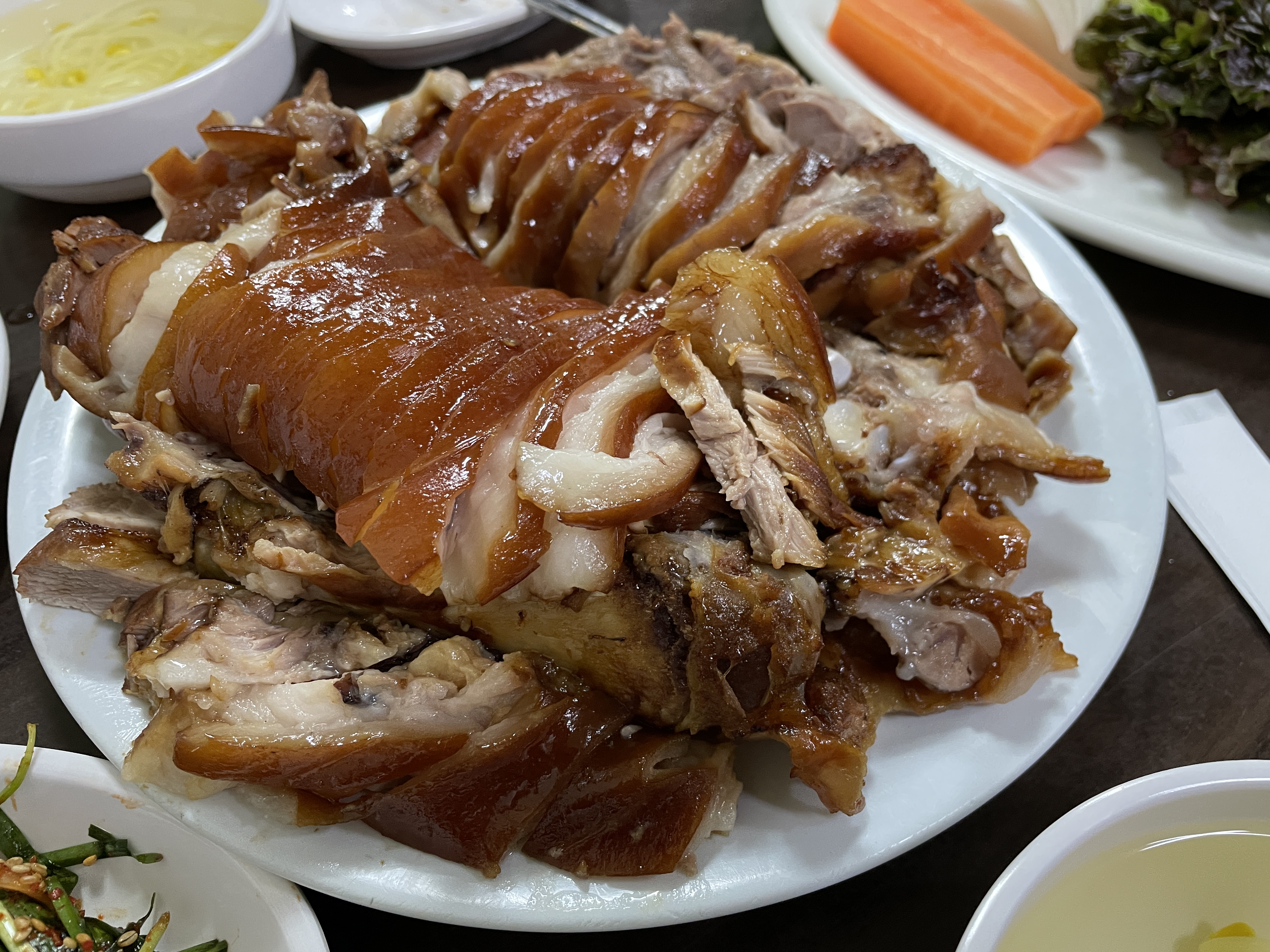
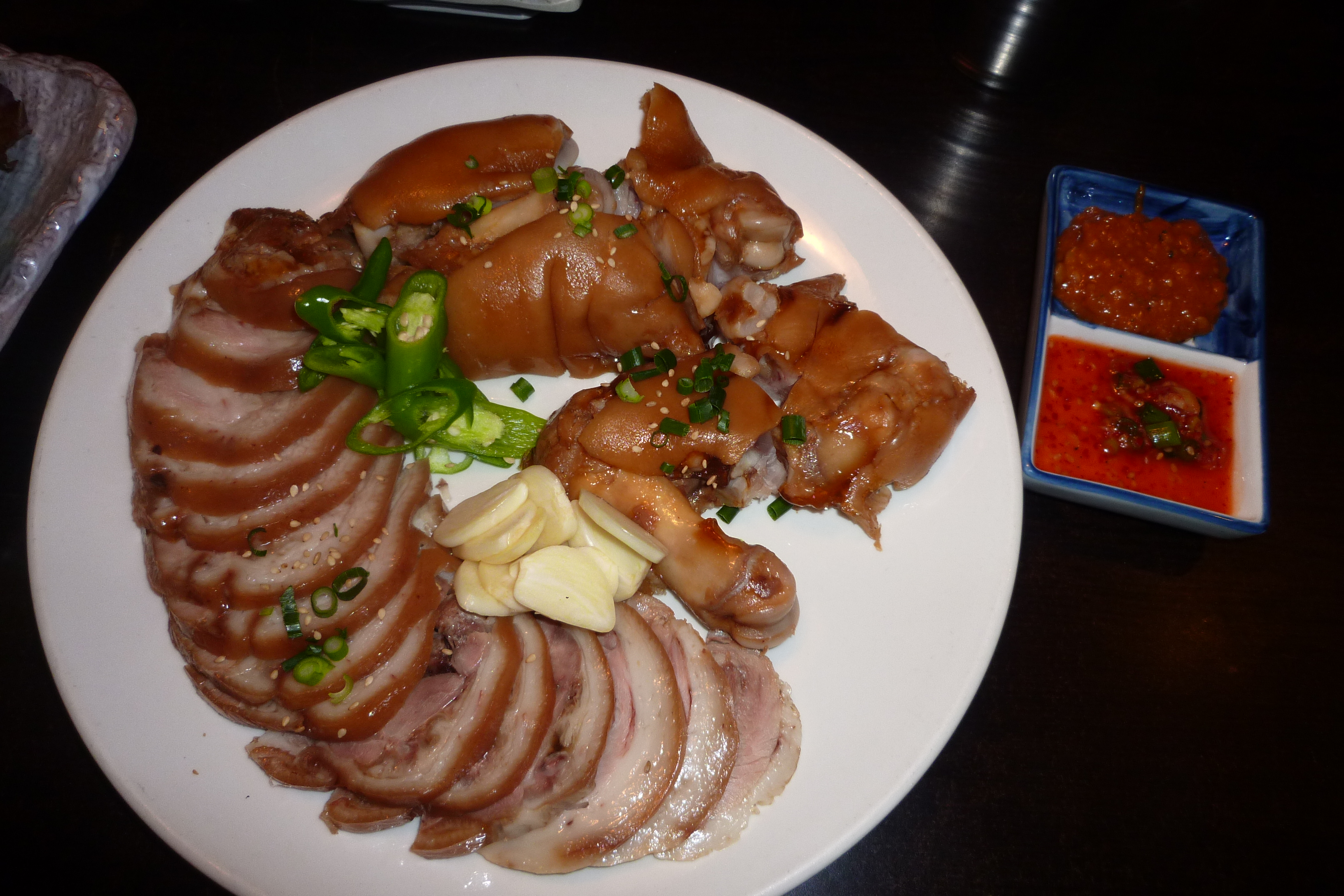
Jokbal is braised pig's feet. The meat can be tender, but the skin and collagen are chewy. Some people love that texture; others need one small piece before deciding.
How Much to Order
Many jokbal and bossam restaurants sell medium or large platters rather than small single bowls. Two people can usually share one platter with sides, while three or four people may add noodles, soup, or another meat dish. Solo travelers should look for lunch sets, small portions, takeout, or restaurants that clearly list one-person menus.
Where to Try It in Seoul
Jangchung-dong Jokbal Alley is the classic destination if you want a dedicated jokbal area. It pairs well with Dongdaemun, Namsan, or central Seoul sightseeing.
Myeongdong and Jongno are easier if you want dinner near a hotel or palace-day route.
Chain restaurants such as Won Grandma Bossam or other well-known brands can be less intimidating because menus and ordering systems are more predictable.
Find Jangchung-dong Jokbal Street
For a focused jokbal outing, search 장충동 족발 골목 (Jangchung-dong Jokbal Street), rather than just “jokbal Seoul.” VisitKorea lists the street around Jangchungdan-ro in Jung-gu and describes a cluster of jokbal restaurants, so you can compare menus and portion sizes on arrival. Use the official area listing as the starting point, then choose a specific open restaurant in your map app (checked September 26, 2026).
If you are alone, check whether a restaurant offers a single-person lunch or takeout portion before joining a queue. If the menu is only a shared platter, a bossam set elsewhere on your existing route may fit better. Confirm the displayed total price and serving size before ordering.
How to Eat It
Make a wrap with lettuce or cabbage, add pork, a little sauce, garlic if you want it, and kimchi. Use salted shrimp sauce carefully because it is strong and salty. You do not have to put everything in every wrap.
Late-Night and Hotel Takeout
Jokbal and bossam are common late-night and delivery foods in Korea. For travelers, takeout can be easier than delivery apps because Korean phone-number or payment requirements may cause friction. If you take food back to a hotel, check whether the room allows strongly scented food and dispose of leftovers neatly.
Allergy and Diet Notes
Both dishes are pork-based. Salted shrimp sauce contains shrimp, and kimchi or sauces may include fish sauce, garlic, chili, or fermented seafood. If you have allergies or avoid pork, this is not a safe menu to improvise around.