Seoul Station Guide: KTX, AREX, Subway Transfers, Luggage, and Nearby Hotels
Navigate Seoul Station for KTX, AREX airport rail, subway transfers, luggage storage, taxis, exits, and nearby stops
Navigate Seoul Station by purpose: KTX, airport rail, subway transfer, luggage storage, hotel access, or a quick connection across the city.
Seoul Station is more than a place to catch a train. It is one of the most important transport hubs in Korea, connecting long-distance rail, airport rail, subway lines, buses, taxis, luggage services, and nearby central Seoul sights.
Decide Which Seoul Station You Mean
Seoul Station can mean KTX platforms, AREX airport rail, subway lines, exits, shopping areas, or nearby hotels. Before moving, check whether your next step is a train, airport transfer, subway, taxi, or luggage errand. The station is large enough that vague directions waste time.
For first-time visitors, the station can feel large and confusing. The easiest way to use it is to know your main purpose before you arrive: KTX, AREX, subway, taxi, luggage storage, or a short stop near Namdaemun and Myeongdong.
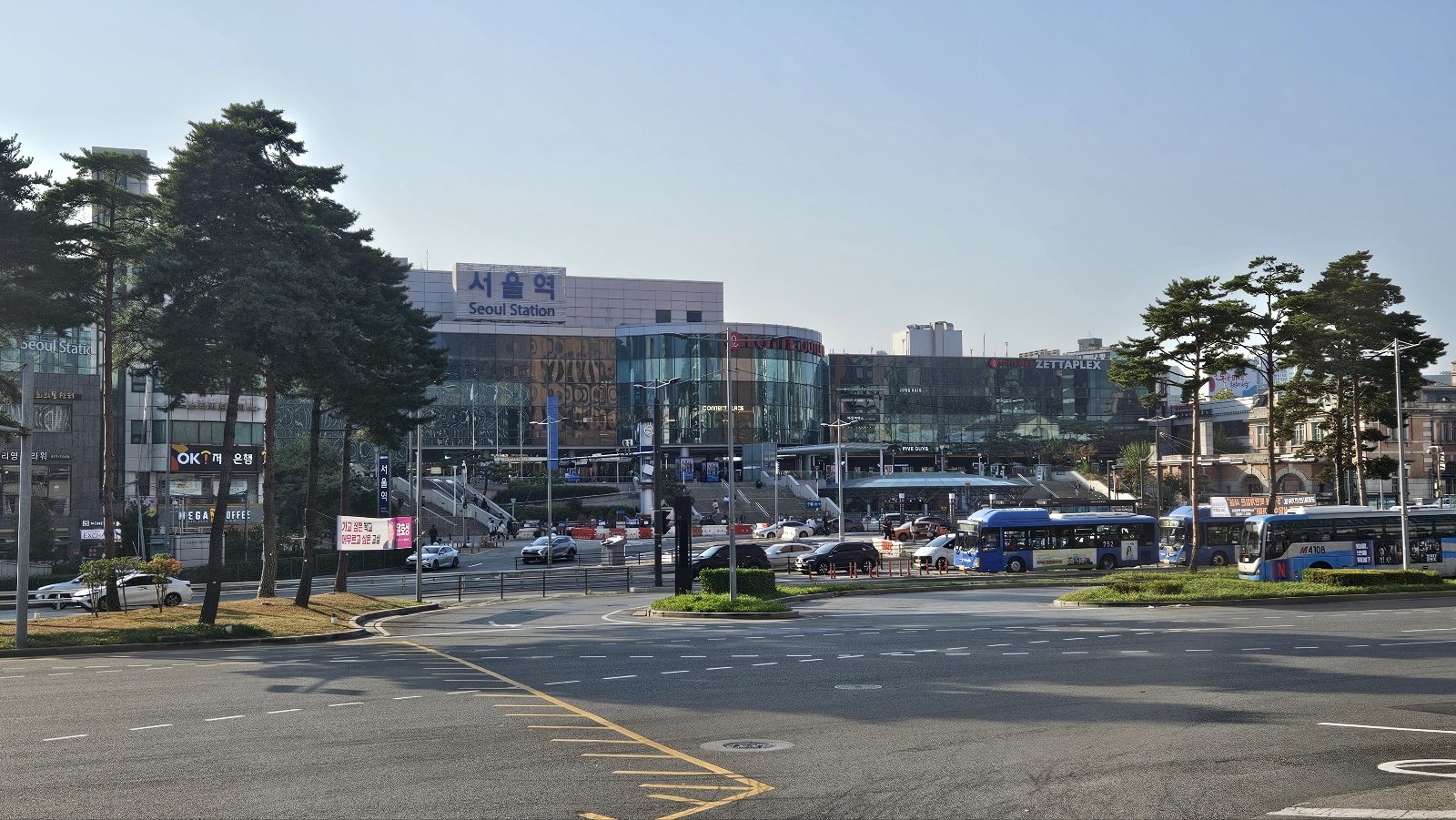
What Is Seoul Station?
Seoul Station is the main rail gateway in central Seoul. Travelers use it for KTX trains to other Korean cities, AREX trains to Incheon International Airport, Seoul subway connections, and local transport around the city.
It is also close to useful sightseeing and shopping areas. Namdaemun Market, Seoullo 7017, Sungnyemun Gate, and Myeongdong are all practical nearby stops if you have time before or after a train.
The station is useful, but it is not small. Different services are connected through halls, passages, escalators, elevators, and separate platforms. With luggage, every transfer takes longer than it looks on a map.
Why Seoul Station Matters for Travelers
Most visitors use Seoul Station for one of three reasons.
First, it is a major KTX departure point. If you are going to Busan, Daejeon, Daegu, or other cities by high-speed train, there is a good chance Seoul Station will be part of your route.
Second, it connects to AREX, the airport railroad between Seoul and Incheon International Airport. Depending on your schedule, you may use the all-stop train or a direct airport train service. Always check the current official timetable and ticket conditions before travel.
Third, it connects to Seoul subway lines, including Line 1 and Line 4, which are useful for reaching many areas of the city.
Main Transport Options
KTX and Long-Distance Trains
KTX is Korea's high-speed rail system. From Seoul Station, travelers can reach major cities across the country, including Busan, Daejeon, Daegu, and other destinations depending on the route.
For KTX, arrive early enough to find your platform, check your train number, and move with luggage. Do not treat Seoul Station like a small station where you can arrive at the last minute.
If you are comparing KTX with SRT, remember that SRT usually uses Suseo Station in southeast Seoul, not Seoul Station. Choose based on your hotel location and destination.
AREX Airport Railroad
AREX connects Seoul Station with Incheon International Airport. It is one of the most useful airport routes for travelers staying near central Seoul.
Before choosing AREX, check whether you need the all-stop train or the direct service. Schedules, ticketing, and boarding locations can differ. If you have a flight, leave extra time for walking inside the station, ticketing, airport procedures, and possible platform changes.
Subway Lines
Seoul Station connects to subway Line 1 and Line 4, and other rail services are connected around the larger station area. This makes the station useful for moving toward Myeongdong, City Hall, Dongdaemun, Hongdae, and many other areas.
The important thing is exit planning. Seoul Station has many exits, and the wrong exit can add a long walk, especially with a suitcase.
Buses and Taxis
There are bus stops and taxi areas around Seoul Station, but they are not all in one simple place. Follow station signs and use a map app if you are meeting a taxi or looking for a specific bus stop.
For taxis, use the designated taxi stands when possible. Around a major station, street-level traffic can be busy and confusing.
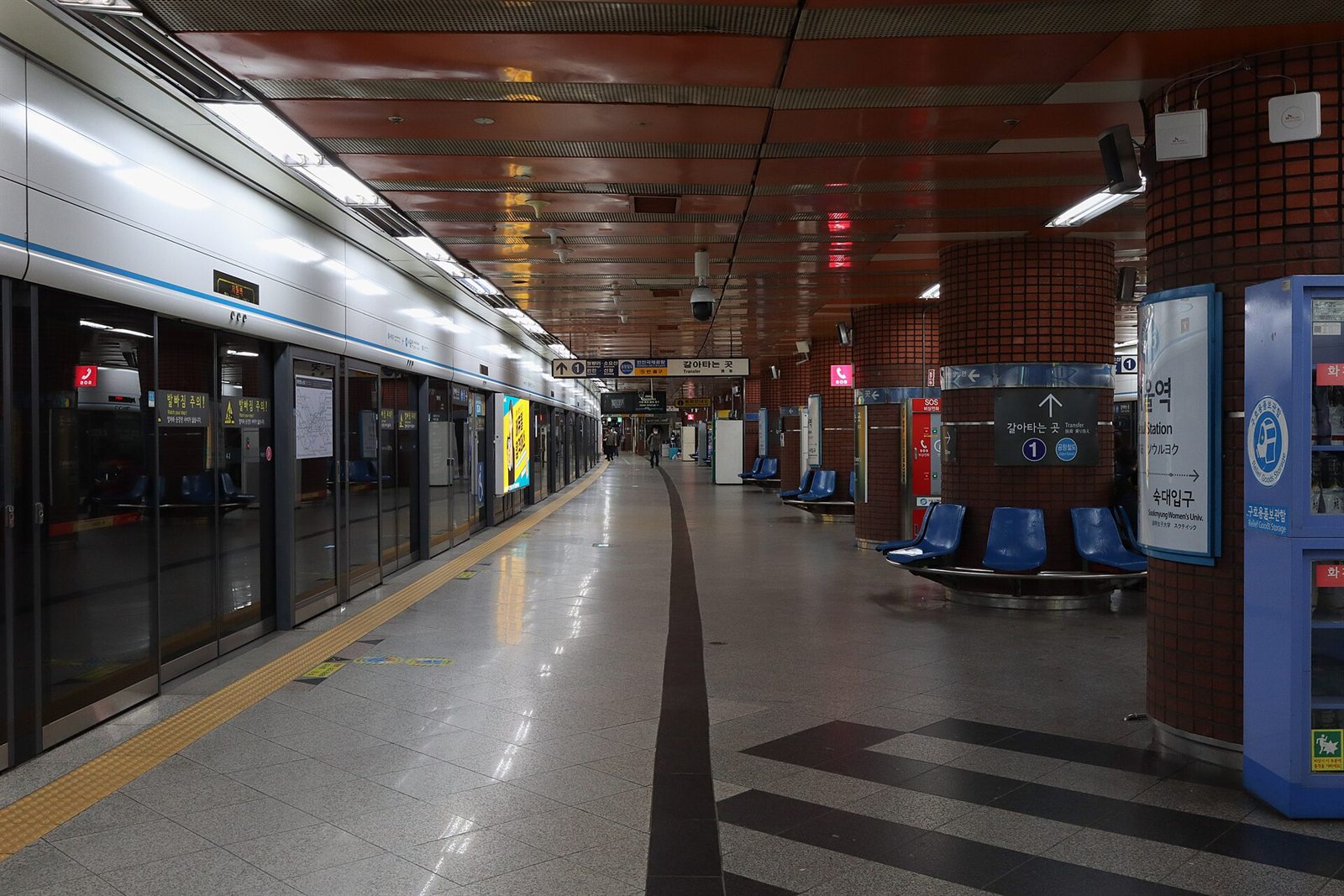
AREX and KTX Transfer Tips
Transferring between AREX and KTX is possible, but it can take more time than first-time visitors expect.
Give yourself extra time if:
- You have large luggage
- You are arriving from the airport
- You need to buy or print a ticket
- You are traveling with children
- You are using elevators instead of stairs or escalators
- It is a busy weekend or holiday
If your KTX departure is important, avoid planning a very tight airport-to-train connection. Flight delays, immigration, baggage claim, walking time, and station navigation can all add stress.
Subway Transfers and Exit Tips
When using Seoul Station by subway, always check the exit number before you move. The correct exit can save time; the wrong exit can put you on the opposite side of a large road or far from your hotel.
For nearby places, check your map app carefully:
- Namdaemun Market
- Seoullo 7017
- Sungnyemun Gate
- Myeongdong
- Seoul Station hotels
- AREX or KTX entrance
If you are carrying luggage, choose routes with elevators or escalators when possible. Some paths may be shorter on the map but harder in real life.
Luggage Storage and Lockers
Seoul Station has luggage-related services such as coin lockers and luggage storage options. Availability, size, price, and operating hours can change, so check current information before relying on them.
Large lockers can fill up quickly during busy periods. If you are arriving with a large suitcase, do not assume a big locker will always be open.
Use luggage storage if:
- You arrive before hotel check-in
- You have a few hours before a train
- You want to visit Namdaemun or Myeongdong without a suitcase
- You are doing a short stop before going to the airport
Keep valuables, passport, medication, and important documents with you rather than leaving them in storage.
Things to Watch Out For
The first thing to remember is scale. Seoul Station is large, and different transport services may not be right next to each other.
The second is signage. English signs are available in many areas, but you still need to follow the correct service: KTX, AREX, subway, bus, taxi, or exit.
The third is timing. Arrive earlier than you think you need, especially for KTX or airport travel.
The fourth is luggage. A route that looks easy without bags can feel slow with a heavy suitcase.
The fifth is taxis. Go to the correct taxi area rather than trying to stop a cab randomly in a crowded station road.
Short Stops Near Seoul Station
If you have extra time, Seoul Station can connect well with nearby places.
Namdaemun Market
Namdaemun Market is one of the easiest nearby stops for shopping, socks, bags, kids clothes, glasses, kitchen goods, and casual market food. It is best if you can store luggage first.
Seoullo 7017
Seoullo 7017 is an elevated walking path near Seoul Station. It can be a simple short walk if the weather is good and you want fresh air before or after travel.
Sungnyemun Gate
Sungnyemun Gate, also known as Namdaemun, is close enough for a quick look if your timing and walking route make sense.
Myeongdong
Myeongdong is easy to connect by subway or taxi and works well for cosmetics, cafes, dinner, and tourist shopping after arriving in Seoul.
Common Mistakes
The first mistake is allowing too little transfer time. Seoul Station is easy once you understand it, but it is not tiny.
The second mistake is ignoring exit numbers. Exit choice matters a lot around Seoul Station.
The third mistake is dragging a large suitcase into nearby sightseeing areas when a locker or luggage service would make the route easier.
The fourth mistake is arriving just before KTX departure. Give yourself time to find the platform and train car.
The fifth mistake is confusing Seoul Station with other major stations such as Suseo Station, Yongsan Station, or Express Bus Terminal.
Checklist Before You Go
- Confirm whether you need KTX, AREX, subway, bus, taxi, or luggage storage.
- Check your train or airport rail schedule on the official source.
- Arrive early if you have luggage or a reserved train.
- Save your exit number and destination in Naver Map or KakaoMap.
- Check locker or luggage storage options if you want to sightsee.
- Keep passport, wallet, medication, and valuables with you.
- Plan nearby stops only if you have enough buffer time.
Seoul Station becomes much easier when you treat it as a transport hub, not just a station name. Know your service, follow the signs, give yourself walking time, and use nearby sights only when they fit your schedule.