Seoul Subway Transfers and Last Train Guide: Avoid Wrong Exits, Missed Lines, and Late-Night Problems
Avoid common mistakes with transfer signs, exit numbers, terminal-station directions, and late-night subway routes
Use Seoul subway more confidently by planning transfer time, exit numbers, last trains, platform direction, and taxi backup for late nights.
Seoul's subway is one of the easiest ways to move around the city, but first-time visitors often run into the same problems: long transfers, confusing exits, train directions shown by terminal station, and last trains that do not always go where you need.
Last Train Planning Starts Before Dinner
The last subway is not something to check only after midnight. If you plan to drink, shop late, or visit nightlife areas, check the return route before the evening starts. Know the final transfer station, not only the first train.
This guide is not a full subway beginner guide. It focuses on the practical situations that cause mistakes once you are already using the system: how to transfer, how to choose the right exit, how to read direction signs, and how to avoid getting stuck late at night.
If you understand these details, the Seoul subway becomes much easier to use during a real trip.
Why Seoul Subway Transfers Can Feel Confusing
Seoul has many subway lines, large interchange stations, and stations with multiple exits. The basic system is organized, but the scale can surprise visitors.
The four most common confusion points are:
- Transfer signs
- Exit numbers
- Last trains
- Terminal-station directions
Most mistakes happen when a traveler follows an Exit sign during a transfer, chooses the wrong exit number, assumes every late train reaches the final destination, or boards in the wrong direction because they did not check the terminal station.
Transfer vs Exit: The Rule That Prevents Most Mistakes
When you are changing subway lines, follow signs that say Transfer or show the line color and number you need. TOPIS guidance for Seoul subway use explains that transfers are made inside the station without passing through the gate again, by following signs or wall strips in the color of the line you want.
If you follow Exit signs, you are moving toward the station exits. In many cases, that means you will leave the paid area. If you did not mean to exit, you may need to tap again, pay again, or spend extra time re-entering.
The basic rule is:
- Transferring to another train: follow Transfer signs
- Leaving the station: follow Exit signs
- Meeting someone outside: confirm the exit number first
Large stations may have several floors, long corridors, and multiple transfer routes. Do not panic if the transfer takes several minutes. That is normal in major stations.
Large Transfer Stations to Treat With Extra Time
Some Seoul stations are simple. Others are large enough that a transfer can feel like a short walk through an underground complex.
Examples include:
- Seoul Station
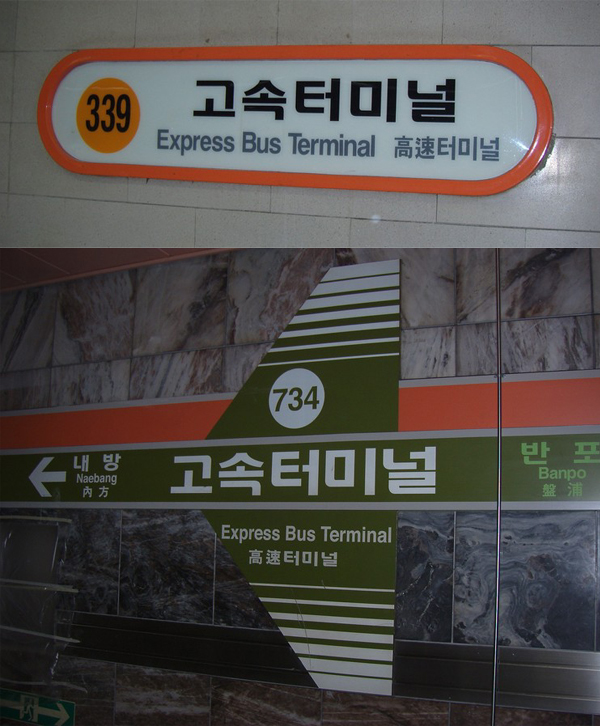
- Express Bus Terminal Station
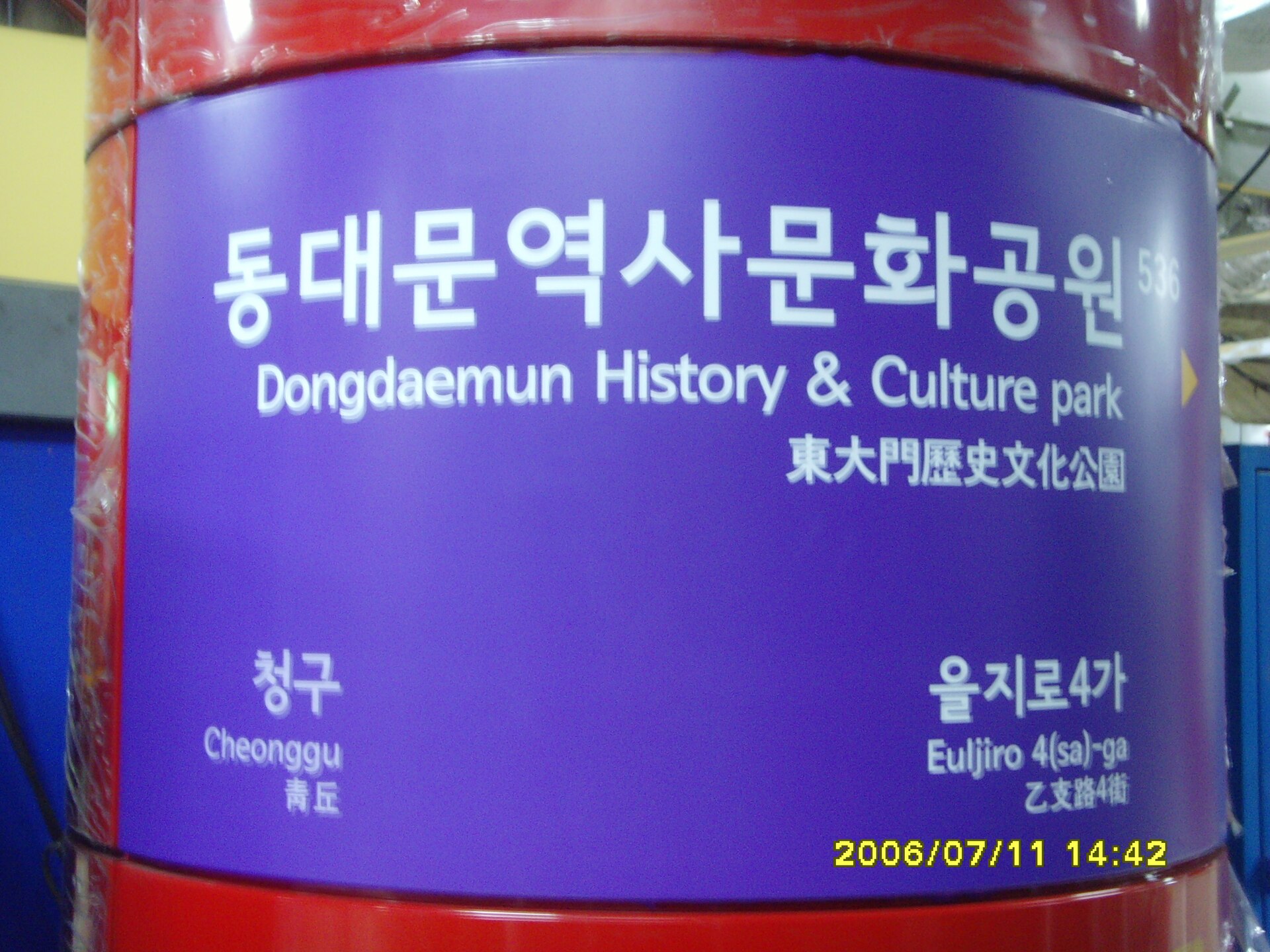
- Dongdaemun History & Culture Park Station
- Jongno 3-ga Station
- Wangsimni Station
These stations are not "bad" stations. They are useful hubs. The problem is time. If your route says a transfer takes only a few minutes, add extra time if you have luggage, travel with children, need elevators, or are moving during rush hour.
At Seoul Station, travelers may connect between subway lines, AREX, KTX, and other rail services. At Express Bus Terminal, the subway connects with a major long-distance bus terminal and large underground shopping areas. These spaces are useful, but they require attention to signs.
Why Exit Numbers Matter
A single Seoul subway station can have many exits. Two exits at the same station can place you on opposite sides of a wide road, a shopping complex, a station plaza, or a palace wall.
For travelers, the exit number can matter more than the station name. Hotels, restaurants, attractions, and meeting points often say something like "Exit 4" or "near Exit 8." If you leave through the wrong exit, you may add a long walk.
Before arriving, check the recommended exit number in Naver Map or KakaoMap. If you are carrying luggage, also check whether the nearest elevator is at a different exit. The shortest walking route is not always the easiest route.
When you are inside the station, signs usually list nearby landmarks by exit number. Compare the exit number from your app with the signs above the corridor.
How Last Trains Actually Work
Visit Seoul describes subway operation as generally running from around 5:30 AM until around midnight, but that does not mean every train near midnight will take you to your final destination.
The important concept is the last useful train.
A last useful train is the last train that will actually get you to your destination, including transfers. It may be earlier than the last train that enters the station.
Late at night, some trains stop at an intermediate terminal instead of continuing all the way. Some transfers may already be impossible even if one line is still operating. Weekday and weekend schedules can also differ.
Do not rely on a simple rule like "arrive before midnight." Instead, check your exact route, direction, and destination in a current map app before you start moving.
Check the Terminal Station and Direction
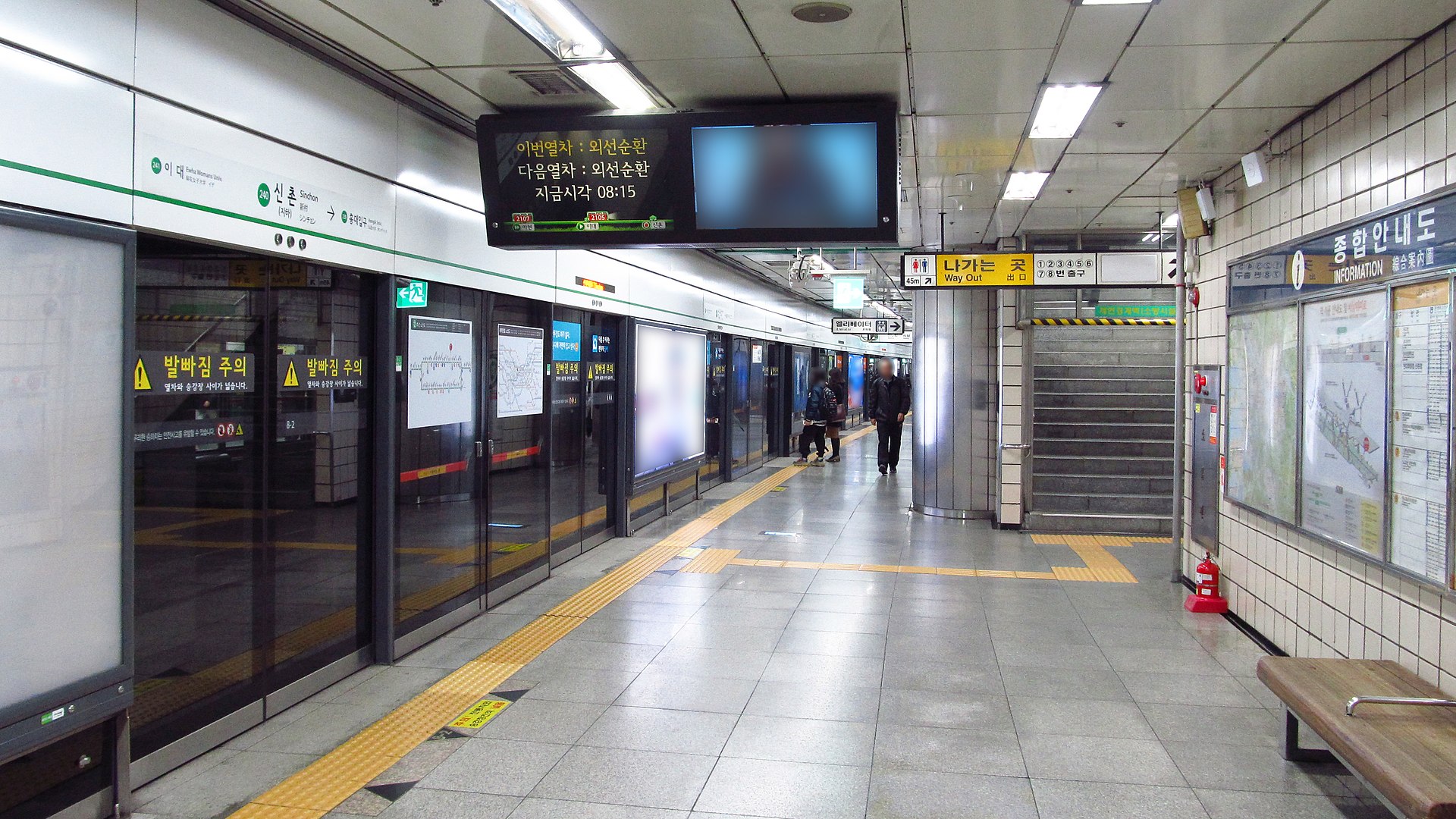
Seoul subway directions are often shown by terminal station or major destination, not only by "northbound" or "southbound."
For example, a line may have trains bound for different terminal stations. If you only look at the line number and color, you can still board the wrong direction.
Before boarding, check:
- Line number and color
- Direction or terminal station
- Next station
- Train destination on the platform display
- Route guidance in your map app
This matters more late at night because the train's final stop may be different from the normal end of the line.
How to Use Naver Map or KakaoMap for Transfers and Last Trains
Naver Map and KakaoMap are useful because they can show the route, transfer station, estimated walking time, exit number, and late-night options.
Before entering the subway, search your route and check:
- Which line to take
- Which direction to board
- Where to transfer
- How long the transfer walk may take
- Which exit to use
- Whether the route still works late at night
If you are traveling late, refresh the route close to departure time. A route that worked at 10:00 PM may not be valid near midnight.
For complex transfers, screenshot the route before you go underground. Mobile signal is usually available, but having the key route saved reduces stress.
If You Miss the Last Useful Train
If the subway no longer works for your route, you may still have options.
Night buses, often marked with N route numbers, operate on selected major corridors in Seoul. They do not cover every destination, but they can be useful if your hotel is near the route.
Taxis are often the simplest late-night option, especially if you are tired, carrying bags, or traveling outside the night-bus network. Kakao T can help with taxi calls, but availability, payment options, and foreign-user access can change, so keep a backup plan.
Late-night transport can take longer and cost more. If you are leaving a nightlife area such as Hongdae, Itaewon, Gangnam, or Jongno, check your return route before the subway stops.
Tips for Luggage, Elevators, and Accessibility
If you have large luggage, do not judge a route only by transfer count. A one-transfer route with long corridors and stairs may feel harder than a slightly longer route with easier station access.
Check elevator locations if you need step-free access. The most convenient exit for walking may not be the same as the exit with an elevator.
During rush hour, large suitcases can be difficult on crowded platforms and trains. If you are moving between an airport station, Seoul Station, Express Bus Terminal, or a hotel, allow extra time.
Common Mistakes to Avoid
- Following Exit signs when you intend to transfer.
- Assuming every transfer is short.
- Ignoring exit numbers.
- Boarding only by line color without checking direction.
- Assuming a train near midnight reaches your destination.
- Assuming entering the subway before midnight is enough.
- Waiting until the last minute to check your route after dinner or nightlife.
Simple Late-Night Strategy
If you plan to stay out late, check your return route before dinner or drinks. Find the last useful train to your hotel, then set a personal cutoff time earlier than that.
If the last useful train looks too close, plan for a taxi or night bus instead. For groups, a taxi may be more practical than trying to make a complicated late-night transfer.
If your hotel is far from nightlife areas, choose accommodation near a convenient line or prepare for taxi costs.
Before You Ride Checklist
- Check the line and direction.
- Confirm the terminal station or next station.
- Follow Transfer signs when changing lines.
- Confirm your exit number before arrival.
- Check whether the nearest elevator is at a different exit.
- Check the last useful train for your whole route.
- Refresh your map app route if traveling late.
- Keep a taxi or night-bus backup plan after midnight.
FAQ
Are Seoul subway transfers free?
Subway transfers are generally made inside the paid area by following Transfer signs. Do not exit through the gate unless your route specifically requires it or you are leaving the station.
What does "last useful train" mean?
It means the last train that can actually get you to your destination, including transfers. A later train may still run but stop short or arrive too late for a transfer.
Why do Seoul subway signs show terminal stations?
Directions are often identified by terminal station or major destination. Check the platform display, next station, and your map app before boarding.
Can I trust subway apps for late-night routes?
Apps are very useful, but you should refresh the route close to departure time and check the exact destination. Late-night routes can change because transfers and terminal stations matter.
What should I do if I miss the last train in Seoul?
Check night buses first if one serves your area. Otherwise, use a taxi or taxi app such as Kakao T, and keep your hotel address saved in Korean.
Editorial Verification Notes
Verified on 2026-07-07: Visit Seoul describes Seoul subway operating hours as roughly from 5:30 AM until around midnight, and TOPIS explains that subway transfers are made within the station by following signs or wall strips for the target line. Exact last-train times, intermediate terminal stations, night-bus routes, and app functions can change by line, station, direction, weekday, weekend, and service update. Check current official or app-based route information before relying on any late-night itinerary.