T-money Card Guide: Subway, Bus, Top-Up, Refunds, and Traveler Mistakes
How to buy, recharge, use, and refund T-money on your first Korea trip
Use T-money for Korea transit with practical tips on buying, cash top-up, buses, subway gates, balances, refunds, and backup payment.
If you plan to use subways or buses in Korea, a T-money card is one of the easiest things to prepare after you arrive.
T-money Is for Transit First
T-money is the simplest way to move through subways and buses, but it is not the same as a universal payment card. Travelers should know where to buy it, how to top it up, why cash may be needed for recharge, and how to avoid running out of balance during transfers.
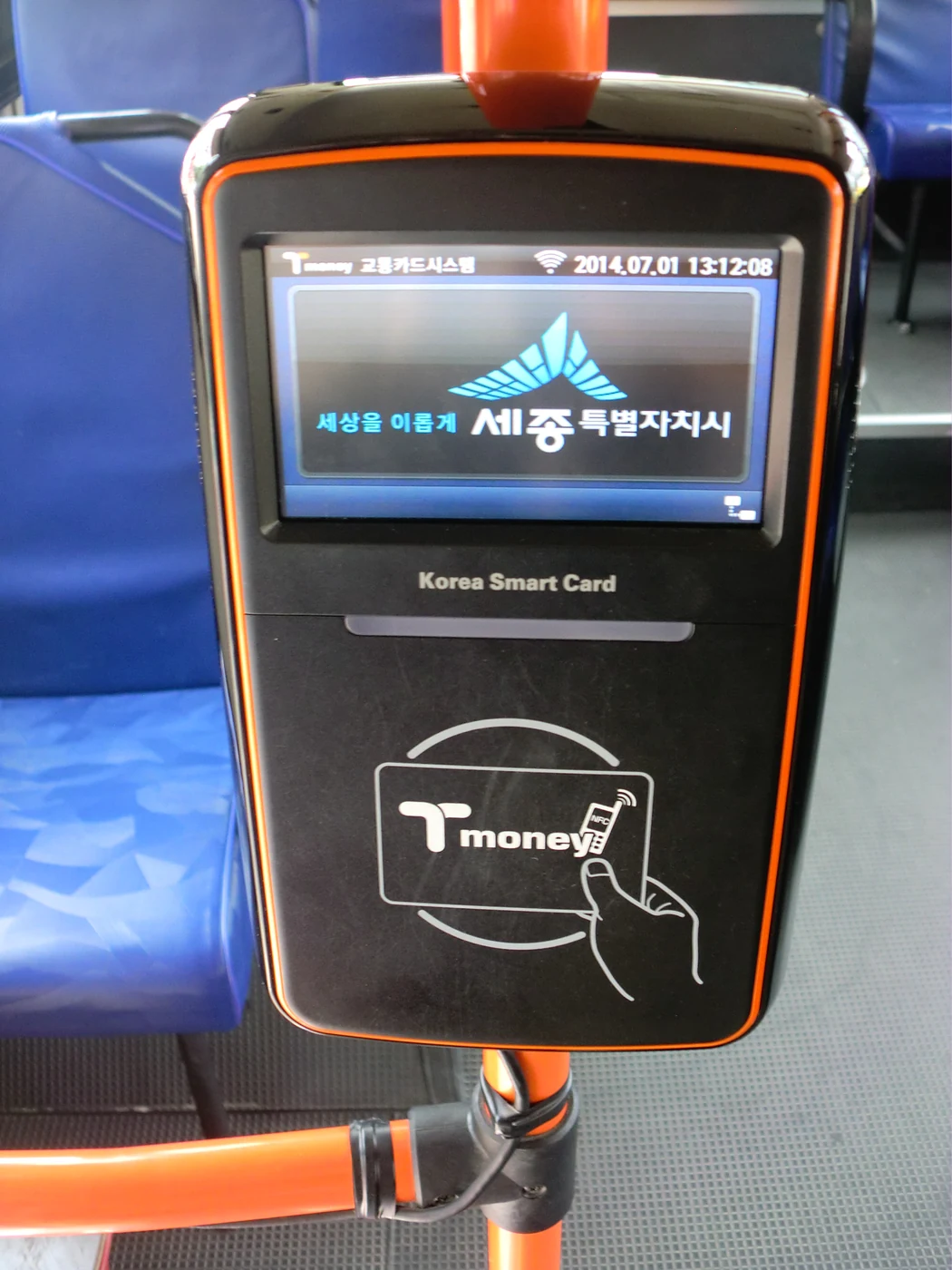
T-money is a prepaid transportation card. You load money onto the card, tap it at subway gates or bus readers, and the fare is deducted automatically. It can also be used at some taxis, convenience stores, cafes, and other affiliated locations, depending on the card type and store.
You do not absolutely need T-money for every Korea trip. If you are taking taxis almost everywhere, joining guided tours, or renting a car, you may use it less. But for most first-time visitors in Seoul, Busan, Incheon, or other major cities, having one card makes local transport much smoother.
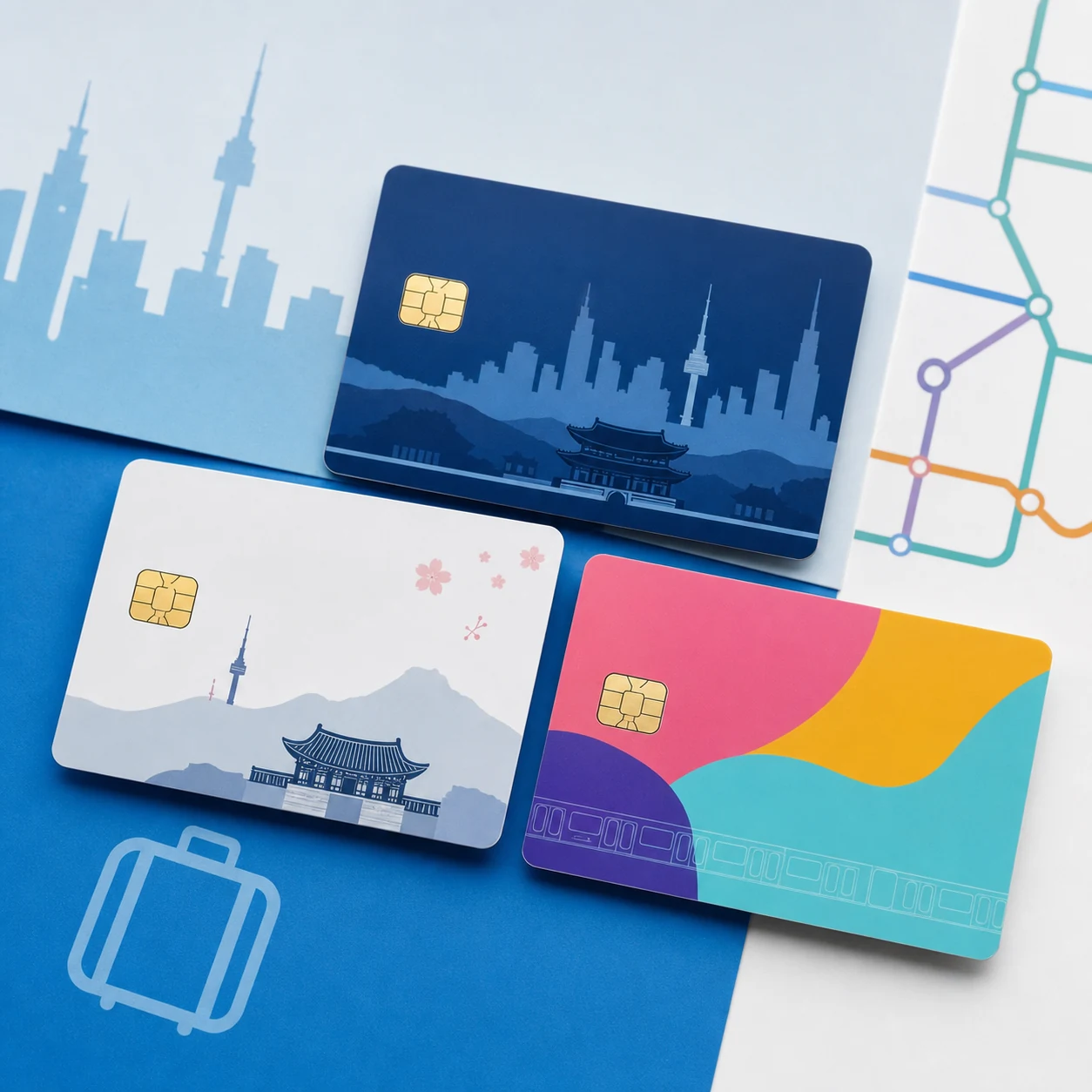
What Is a T-money Card?
A T-money card is a rechargeable prepaid card used for public transportation in Korea.
The basic idea is simple:
- Buy a card.
- Add money to it.
- Tap in when you ride.
- Tap out when needed.
- Recharge when the balance gets low.
Instead of buying a subway ticket each time, you can move through subway gates and buses with one tap. This is especially helpful if your trip includes several short rides each day.
T-money is not the only transportation card in Korea, but it is one of the most widely recognized options for visitors.
Do You Need T-money as a Traveler?
You should strongly consider getting a T-money card if:
- You will use subways or buses often.
- You are staying in Seoul, Busan, or another city with good public transport.
- You want to avoid buying single-use subway tickets.
- You plan to transfer between subway and bus routes.
- You want a simple backup payment method for some small purchases.
You may not need it as much if:
- You will use taxis almost all the time.
- You are joining a private tour with transport included.
- You are renting a car for most of your trip.
- You are staying only one night and taking airport transport directly.
For most first-time visitors, the card is worth having even if you only use it for local transport. It is small, easy to keep, and useful on a future Korea trip.
Where You Can Use T-money
T-money is mainly useful for public transportation.
You can generally use it for:
- Subways
- City buses
- Some taxis
- Some airport and express buses
- Some affiliated stores, cafes, and convenience stores
The exact accepted locations can depend on the region, card type, and whether the store or vehicle supports T-money. For travel planning, think of T-money first as a transport card, then as a possible small-payment card where accepted.
Where to Buy a T-money Card
Travelers can usually buy T-money cards at convenient locations such as:
- Convenience stores
- Subway station information centers or ticket areas
- Some airport locations
- Selected tourist information or transport locations
The official Tmoney Travel Card page lists tourist-focused cards sold at convenience stores and, for some versions, the bus ticket office at Incheon Airport. Visit Korea also notes that transportation cards are available at convenience stores nationwide and at information centers in Seoul subway stations on lines 1 to 8.
Card designs vary. You may see basic cards, character cards, limited designs, tourist cards, or cards combined with other payment services. The design is less important than whether the card works for the transport you need.
How to Recharge T-money
T-money is prepaid, so you need to load money before using it.
Common recharge places include:
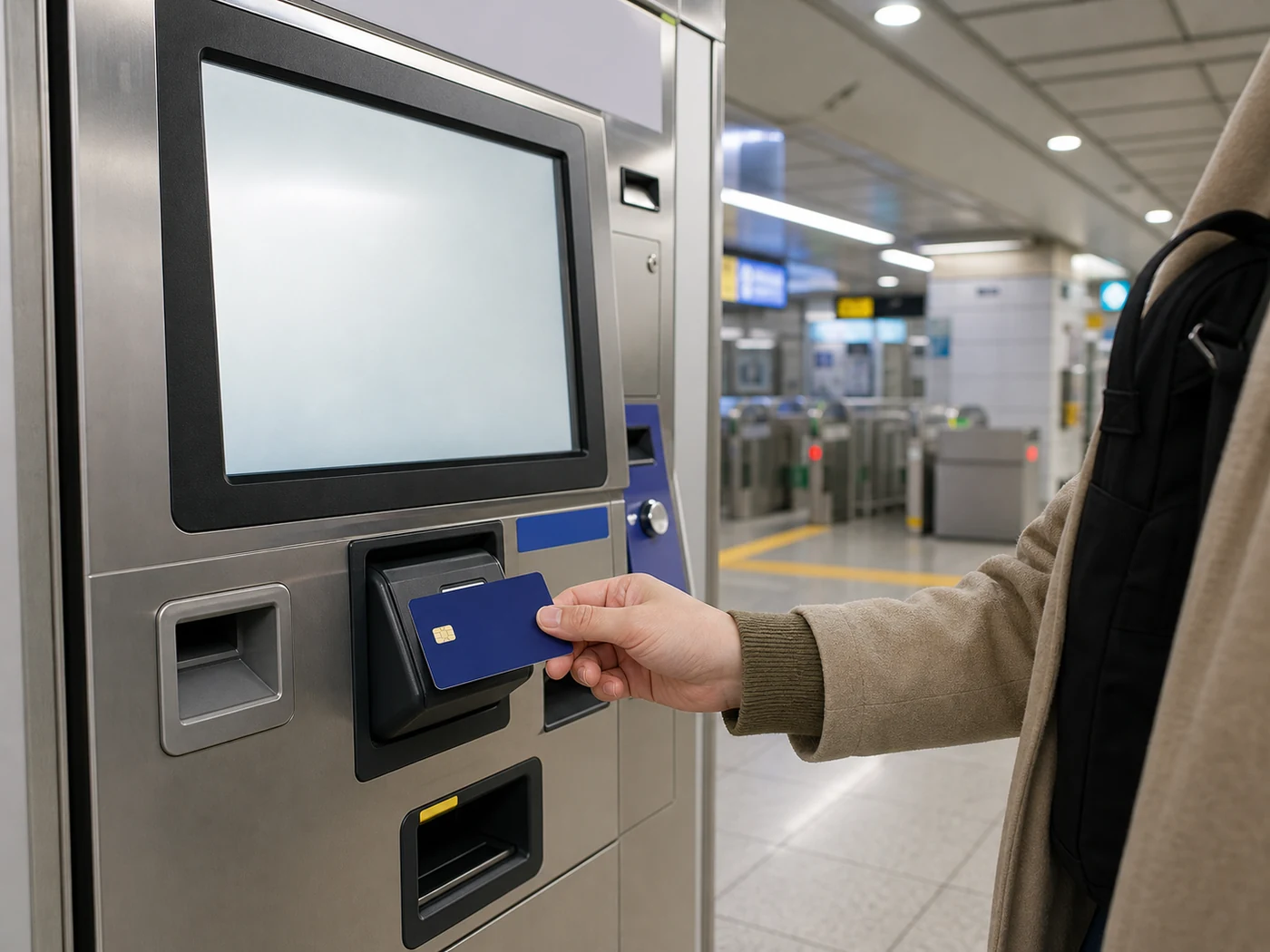
- Subway station recharge machines
- Convenience store counters
- Some transport-card service locations
Visit Korea says Tmoney and EZL cards can be purchased and charged at convenience stores nationwide. It also notes that Tmoney can be reloaded through subway ticket vending machines inside subway stations.
Payment methods can vary. Some machines or counters may require cash, while certain card products or apps may support other recharge options. Because this changes by location and card type, do not arrive with only one payment method. Keep some Korean won available for your first recharge.
You do not need to add a huge amount at once. Add enough for your first few rides, then recharge when your balance gets lower.
How to Use T-money on the Subway
Using T-money on the subway is straightforward.
1. Find the subway gate.
2. Tap your card on the reader.
3. Enter the paid area.
4. Ride to your destination.
5. Tap the card again when exiting.
You need to tap at both entry and exit. The system calculates the correct fare based on the route and distance. If your balance is too low, the gate may not open or you may need to adjust the fare before exiting.
Keep the card easy to reach, especially during busy commute hours. Do not bury it deep inside your bag.
How to Use T-money on Buses
For buses, the habit is slightly different but very important.
In most cases:
- Tap when you board.
- Tap again when you get off.
The second tap matters. It can affect transfers and distance-based fare calculation. Many first-time visitors remember to tap when boarding but forget to tap off when leaving the bus.
Make this your rule: if you use a bus in Korea, tap when you get off.
Transfers and Why Tap-Off Matters
Korea's transport system often allows transfer discounts between subway and bus routes, but it is better to think of this as an integrated fare system rather than simply "free transfers."
Depending on your route, time, distance, and transport type, an extra fare may still apply. If you forget to tap off on a bus, you may lose a transfer benefit or be charged differently.
For first-time visitors, you do not need to memorize every fare rule. Just remember three practical habits:
- Tap every time you enter.
- Tap when you leave a bus.
- Keep enough balance for distance-based charges.
Checking Your Balance
You can usually check your balance:
- At subway recharge machines
- At convenience stores
- On some card readers when tapping
- Through certain apps or card-specific services, depending on your phone and card type
If you are traveling for several days, check the balance before long sightseeing days or airport transfers. It is annoying to discover a low balance at a busy gate with luggage.
Refunds and Leftover Balance
If you have money left on the card at the end of your trip, you may be able to get the remaining balance refunded under certain conditions.
The official Tmoney foreigner guide says refunds are given in Korean won cash after deducting a service fee. Visit Korea also notes transportation cards are prepaid and rechargeable. Refund locations, service fees, balance limits, and whether the physical card price is refundable can vary by card type and policy.
For most travelers, there are two simple options:
- Refund the remaining balance before leaving Korea, after checking current rules.
- Keep the card for your next Korea trip.
If you plan to return to Korea, keeping the card is often easier than trying to refund a small leftover amount.
Children and Youth Fare Registration
Children and teenagers may be eligible for discounted public transport fares, but registration can be required.
For short adult travelers, this is usually not relevant. For families or longer stays, check the current registration process before relying on a child or youth discount.
Visit Korea notes that travelers under 18 who want discount benefits need to register date of birth when purchasing a card. Rules can change, so families should verify this before travel.
T-money vs Climate Card, WOWPASS, and NAMANE
T-money is the simplest transport-card choice for many visitors, but it is not the only option.
| Card | Best For | Main Caution |
|---|---|---|
| T-money | Simple subway and bus travel across Korea | Needs recharge and balance management |
| Climate Card | Heavy public transport use in Seoul | Coverage is limited and rules depend on pass type |
| WOWPASS | Travelers who want prepaid payment, currency exchange, and transport functions | Payment balance and transport balance may be separate |
| NAMANE | Travelers interested in a customizable prepaid card with transport features | Features and top-up methods should be checked before buying |
The Climate Card can be useful if you will use public transport many times in Seoul during a short period. Seoul's official information says tourist passes include 1, 2, 3, and 5-day options, while the general Climate Card service has its own coverage and exclusions. It is not automatically better for every visitor.
If your trip is simple and you mainly want to ride subways and buses, T-money is usually the easiest starting point.
Common First-Time Mistakes
Avoid these common mistakes:
- Forgetting to tap off when leaving a bus
- Adding too little balance before a busy travel day
- Assuming every taxi or store accepts T-money
- Thinking T-money and Climate Card are the same thing
- Buying a card without checking whether it fits your travel style
- Depending on a foreign credit card for every local transport situation
- Throwing away the card even though you may return to Korea
- Confusing payment balance and transport balance on multi-function cards
Quick Checklist Before You Arrive
- Decide whether your trip needs a transport card.
- Check where you can buy one near your airport or first hotel.
- Prepare some Korean won for the first recharge.
- Install a map or transit app.
- Read how to tap on and off before your first bus ride.
Quick Checklist After You Arrive
- Buy your T-money card.
- Recharge it before your first ride.
- Check the balance.
- Tap in and out correctly on the subway.
- Tap off when leaving buses.
- Keep the card for the rest of your trip or future visits.
FAQ
Is T-money worth it for tourists in Korea?
Yes, for most tourists who use subways or buses. It saves time because you do not need to buy a single-use ticket for every ride. It is less important if you use taxis, private tours, or rental cars most of the time.
Where can I buy a T-money card in Korea?
Common places include convenience stores, subway station locations, and some airport or tourist transport locations. Availability can change, so check your arrival airport or first neighborhood before relying on one exact spot.
Can I recharge T-money with a credit card?
It depends on the recharge location, card type, and service. Some travelers still need cash for certain recharge situations, so keep Korean won available for your first top-up.
Do I need to tap off when using buses in Korea?
Yes, make it a habit. Tapping off can affect transfer discounts and distance-based fare calculation. If you forget, you may lose a transfer benefit or be charged differently.
Can I get a refund for leftover T-money balance?
In many cases, leftover balance can be refunded under certain conditions after a service fee. The physical card price may not be refundable. Check the current refund rules before leaving Korea.
Featured Image Search Keywords
- T-money card Korea subway gate
- Korea transit card traveler subway
- T-money recharge machine Korea
Internal Link Recommendations
- Korea Travel Checklist for First-Time Visitors: link from the introduction.
- Incheon Airport to Seoul: link from buying or using T-money after arrival.
- Seoul Subway Guide: link from the subway use section.
- Korea Bus Guide: link from the bus tap-off section.
- Naver Map Guide: link from the checklist or transit app section.
- Kakao Taxi Guide: link from the comparison with taxis and transport options.
- Korea SIM Card, eSIM, and Pocket WiFi Guide: link from first-arrival preparation.
Editorial Verification Notes
- Verify current T-money purchase locations, especially at airports, before publication.
- Verify current recharge payment methods and whether foreign cards are accepted at machines or counters.
- Verify current subway and bus base fares before adding specific fare amounts.
- Verify refund service fee, refund locations, refund balance limits, and physical card-price rules before adding exact details.
- Verify Climate Card tourist-pass pricing and coverage before recommending it as an alternative.