Gyeongju Without a Car: Walking, Bus and Taxi Guide
Explore Gyeongju without a car: choose where to walk, plan bus and taxi connections, pick a convenient hotel, and avoid awkward journeys after sightseeing.
Explore Gyeongju without a car: choose where to walk, plan bus and taxi connections, pick a convenient hotel, and avoid awkward journeys after sightseeing.
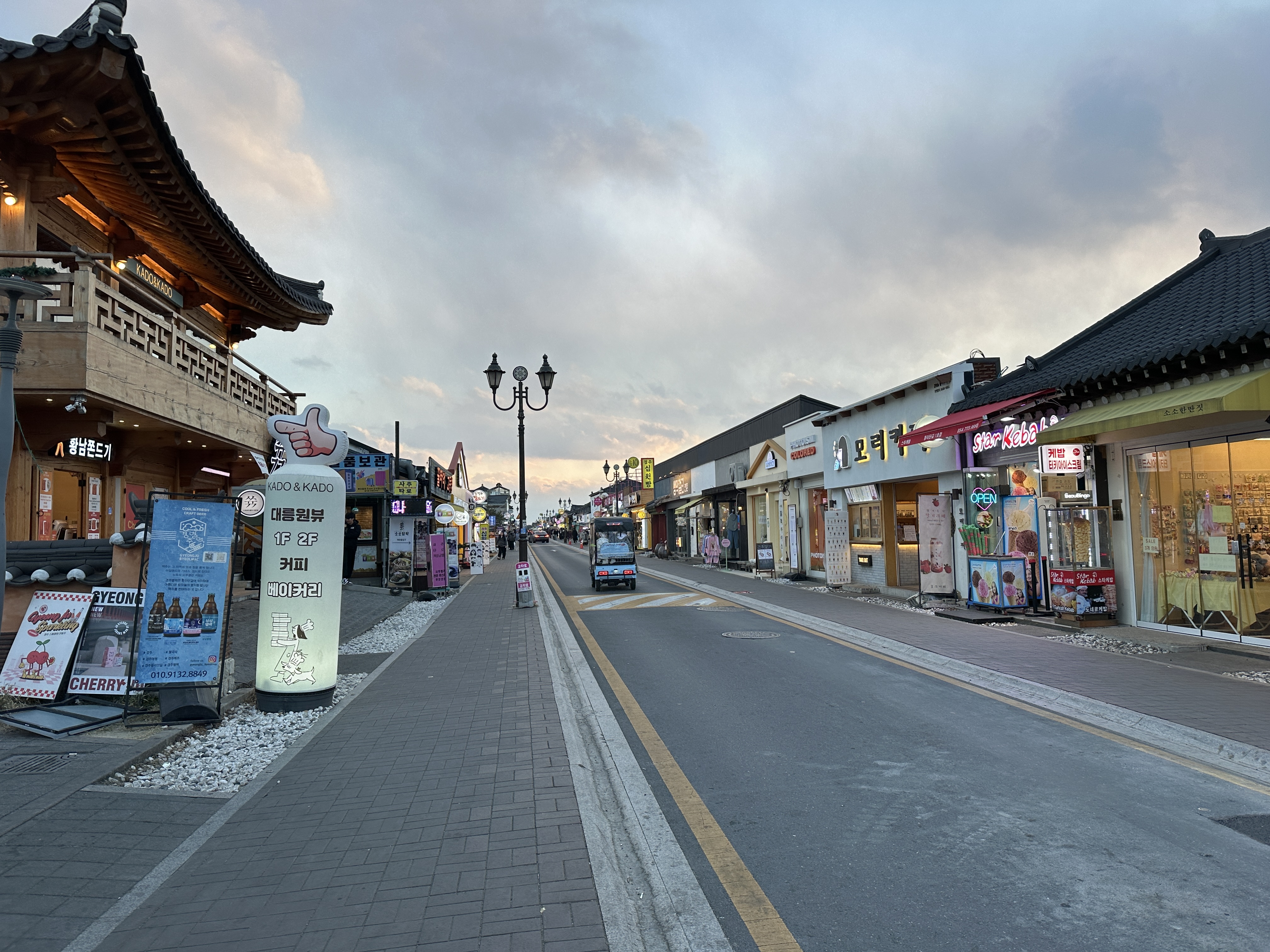

You can visit Gyeongju without renting a car, but trying to walk between every attraction makes the trip harder than it needs to be. Group central sights into walking outings and arrange separate transport for Bulguksa Temple or the Bomun area. Before deciding whether you need a rental car, put your hotel and must-see places on a map.
Separate Walking Areas from Transport Journeys
Hwangnidan-gil, Daereungwon Tomb Complex and Cheomseongdae Observatory are useful starting points for planning central sightseeing. Gyeongju's official tourism guidance includes walking routes through the historic center. However, nearby attractions do not necessarily add up to a low-walking day: exploring inside a site, finding lunch and stopping for photographs all add to the distance.
Treat Bulguksa Temple and the Bomun Tourist Complex as separate transport decisions rather than quick extensions to a downtown stroll. The table below offers planning suggestions, not fixed service information or journey times.
| Area or situation | Transport to consider first | What to check |
|---|---|---|
| Hwangnidan-gil, Daereungwon and Cheomseongdae area | Walking | Walking inside attractions as well as between them |
| Downtown to Bulguksa Temple | Bus or taxi | Both the outward and return journey |
| Downtown to the Bomun area | Bus or taxi | The final walk to your actual destination |
| Getting to your hotel with luggage | Compare bus and taxi | Transfers and carrying bags, as well as the fare |
| Returning after evening sightseeing | Transport available at your return time | A daytime route search may not suit a later departure |
If walking is difficult for someone in your group, reduce the number of stops first. Taking a vehicle between attractions does not remove the walking required within them. In rain or heat, prioritize manageable outings with rest stops rather than simply following the shortest line on a map.
- Separate central sightseeing from visits farther out.
- Add time for exploring and resting to the journey estimates shown on your map.
- Check individual site access if a companion has limited mobility; a walking route is not an accessibility guarantee.
Check the Whole Bus Journey, Not Just the Number
A saved bus number is less useful than a checked journey. Enter your starting point and destination in a journey-planning app and set your intended departure time where that feature is available. Check the boarding stop, direction of travel, alighting stop and final walk. Make sure the destination pin corresponds to the entrance you intend to use.
At the stop, compare your position with the boarding location shown in the app. Waiting on the other side of the road can put you in the wrong direction even when the route number looks familiar. Save the stop's map location alongside any screenshot of the service information.
Check the return before setting off. If you only search after finishing your visit, a long wait may leave fewer workable alternatives. For an outlying attraction followed by dinner or another reservation, work backward from the onward journey when deciding when to finish sightseeing.
- Confirm the boarding location and direction together.
- Check the walk from the alighting stop to the entrance.
- Search the return journey for your expected finishing time, not your morning departure time.
Use Taxis Where They Solve a Specific Problem
You do not need to take a taxi for every trip. Consider reserving part of your transport budget for carrying luggage, an awkward connection or a journey where waiting for the next bus could mean missing a booking. Traveling without a rental car can still include an occasional taxi.
For a group, compare the estimated taxi cost with the combined bus fares. First check whether everyone and their bags can fit in the vehicle. Being able to split the fare does not mean that one car will accommodate your group.
Keep the destination's Korean name and exact map pin ready to show the driver. A broad area name is less useful than the specific hotel or entrance where you need to get out. If you have a fixed train, bus or reservation to catch, leave a margin rather than assuming a taxi will be available immediately.
- Prioritize taxis for luggage-heavy or time-sensitive journeys.
- Consider bags as well as passenger numbers when choosing a vehicle.
- Save the exact destination and allow time to find or request a ride.
Choose Your Hotel Around the Journey Home
Looking only at the distance to your first attraction can hide an inconvenient evening return. If your plans focus on meals around Hwangnidan-gil and central evening sightseeing, compare hotels by the journey back from your likely final stop.
The decision may be different if you intend to spend much of your stay relaxing in the Bomun area or visiting places there. Compare accommodation prices together with transport costs and travel time. Check each hotel's exact location rather than relying on the neighborhood label in a booking listing.
Ask about luggage storage before you commit to sightseeing around check-in or checkout. Confirm whether storage is available and when you can collect your bags. Do not build a walking day around leaving a large suitcase somewhere unless that arrangement has been confirmed.
- Compare the return from your last attraction, not only the outward trip.
- Include travel time and transport costs in your hotel comparison.
- Confirm luggage storage directly with your accommodation.
Finish Your Transport Plan Before Adding More Stops
Choose your essential places first, then decide which connections you will walk and which need transport. Mark any fixed reservations or departure times and check the journeys leading up to them. This makes an awkward connection easier to spot before the day becomes crowded with attractions.
Choose one stop you can drop if it rains or you get tired. You can then shorten a specific part of the day instead of rebuilding the whole plan on the street. Apply the same approach to evening sights: start with those that fit your return journey rather than trying to include every illuminated landmark.
- Separate essential stops from optional ones.
- Check an alternative and its likely cost when a bus connection does not work.
- Leave enough room to shorten the day without risking your onward departure.
If you have not chosen your arrival transport yet, start with how to get to Gyeongju from Seoul and Busan. Once you know your arrival point, connect it to your hotel to turn the first part of your trip into a usable plan.
Ready to choose your stops? See our five Gyeongju walking routes for central heritage, museum and lakeside outing ideas.