How to Get to Gyeongju from Seoul and Busan
Plan how to get to Gyeongju from Seoul or Busan by train or bus, understand the station name change, and arrange your transfer to the city or hotel on arrival.
Compare the complete journey to Gyeongju, avoid confusion over the old station, and plan the final bus or taxi connection to your accommodation.
Getting to Gyeongju is easier when you plan the whole journey, including the trip from your arrival station or terminal to your first stop. A short train ride does not necessarily mean a short hotel-to-hotel journey.
This guide compares travel from Seoul and Busan, explains the Gyeongju Station name change, and helps you choose your onward transfer. For sightseeing routes after arrival, use our Gyeongju itinerary guide.
First, Know Which Gyeongju Station You Need
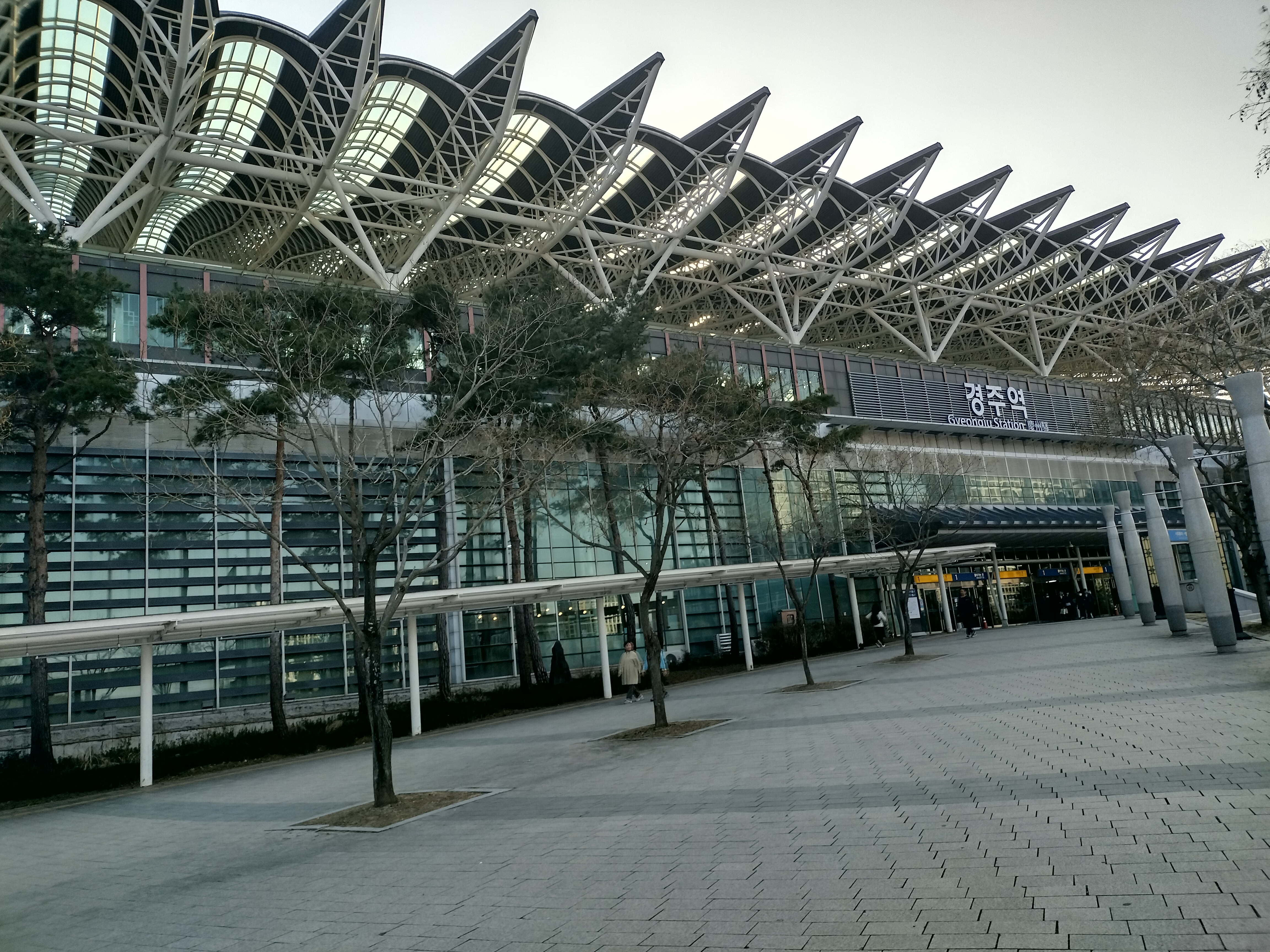
The station formerly called Singyeongju was renamed Gyeongju Station on December 28, 2023. Older travel articles may still use the former name. The old downtown Gyeongju Station near Seongdong Market has closed to railway services; it is not where your KTX arrives.
Search for Gyeongju as your arrival station when booking. In your map app, select the operating railway station and then enter your actual hotel or attraction. Do not follow an old walking route from the former downtown station.
Hwangnidan-gil, Daereungwon, and the Bomun Tourist Complex are separate destinations. Reaching the railway station is only one stage of the journey.

How to Get to Gyeongju from Seoul
If you are staying in central Seoul and want to limit travel time, start by comparing KTX services from Seoul Station to Gyeongju. Gyeongju City's tourism guidance gives approximately 2 hours 10 minutes as an indicative rail journey. Your actual train may take a different amount of time depending on its stops; use the arrival time shown when booking.
On the official KORAIL reservation service, enter your travel date and Gyeongju as the destination. Do not assume every Busan-bound train stops there.
- Check the exact departure station, destination, and whether a transfer is required.
- Allow time to reach Seoul Station from your accommodation.
- Plan your onward bus or taxi before choosing an arrival time.
- For a day trip, check return availability while booking the outward journey.
A bus is another option if the departure terminal suits your accommodation or the available trains do not fit your plans. The city gives indicative Seoul-Gyeongju journeys of about 3 hours 30 minutes by express bus and about 4 hours by intercity bus. These are planning estimates, not guaranteed journey times. Check the exact terminal and service, and allow for road congestion.
Compare the total ticket cost and the onward transfer, rather than assuming one mode is always cheaper. For the rail journey itself, our Seoul Station guide can help with departure planning.
How to Get to Gyeongju from Busan
Gyeongju City's guidance gives approximately 30 minutes for the KTX journey from Busan to Gyeongju. That figure excludes getting to Busan Station, waiting for the train, and transferring from Gyeongju Station to your hotel or sightseeing area.
If you are staying near Busan Station, the train can be a straightforward choice. If a suitable bus terminal is easier to reach from your accommodation, compare the bus as well.
| Part of the journey | Train | Bus |
|---|---|---|
| Before departure | Get to the railway station on your ticket | Get to the bus terminal on your ticket |
| Arrival in Gyeongju | Gyeongju railway station | The terminal specified for your service |
| Final connection | Compare a city bus or taxi to your destination | Check the walk or vehicle transfer to your destination |
| Time to include | Station access, waiting, rail travel, and onward transfer | Terminal access, waiting, road travel, and onward transfer |
Busan has more than one departure point. Seeing the city name on a booking screen does not mean the bus leaves near Busan Station. Match the full terminal name on your ticket to its map location.
Getting from Gyeongju Station to the City
Choose a precise destination before choosing a bus: your accommodation, an attraction entrance, or the terminal you need. A hotel around Hwangnidan-gil and a resort in the Bomun area may require different routes and stops.
When a City Bus Makes Sense
A city bus is worth considering when you want to manage costs and are comfortable with waiting and walking after you get off. Check the full route in your map app:
- Set the operating Gyeongju railway station as your starting point.
- Enter the exact hotel or attraction name.
- Check the boarding stop, direction, and stop where you need to get off.
- Look at the arrival information and the final walking section.
Use the Gyeongju transport information service to check bus routes. Do not board solely because a bus number matches an old travel article. Your destination and the current route matter more than a familiar number.
When to Compare a Taxi
A taxi may suit a group, travelers with large suitcases, or anyone who finds the bus wait and final walk difficult. Have your hotel's Korean name and address ready to show the driver. Check the route and estimated fare before deciding; the amount depends on your destination and traffic.
If you use a wheelchair or need space for a large stroller, confirm suitable transport in advance. Do not assume every ordinary bus or taxi can accommodate your needs.
If You Arrive at a Bus Terminal
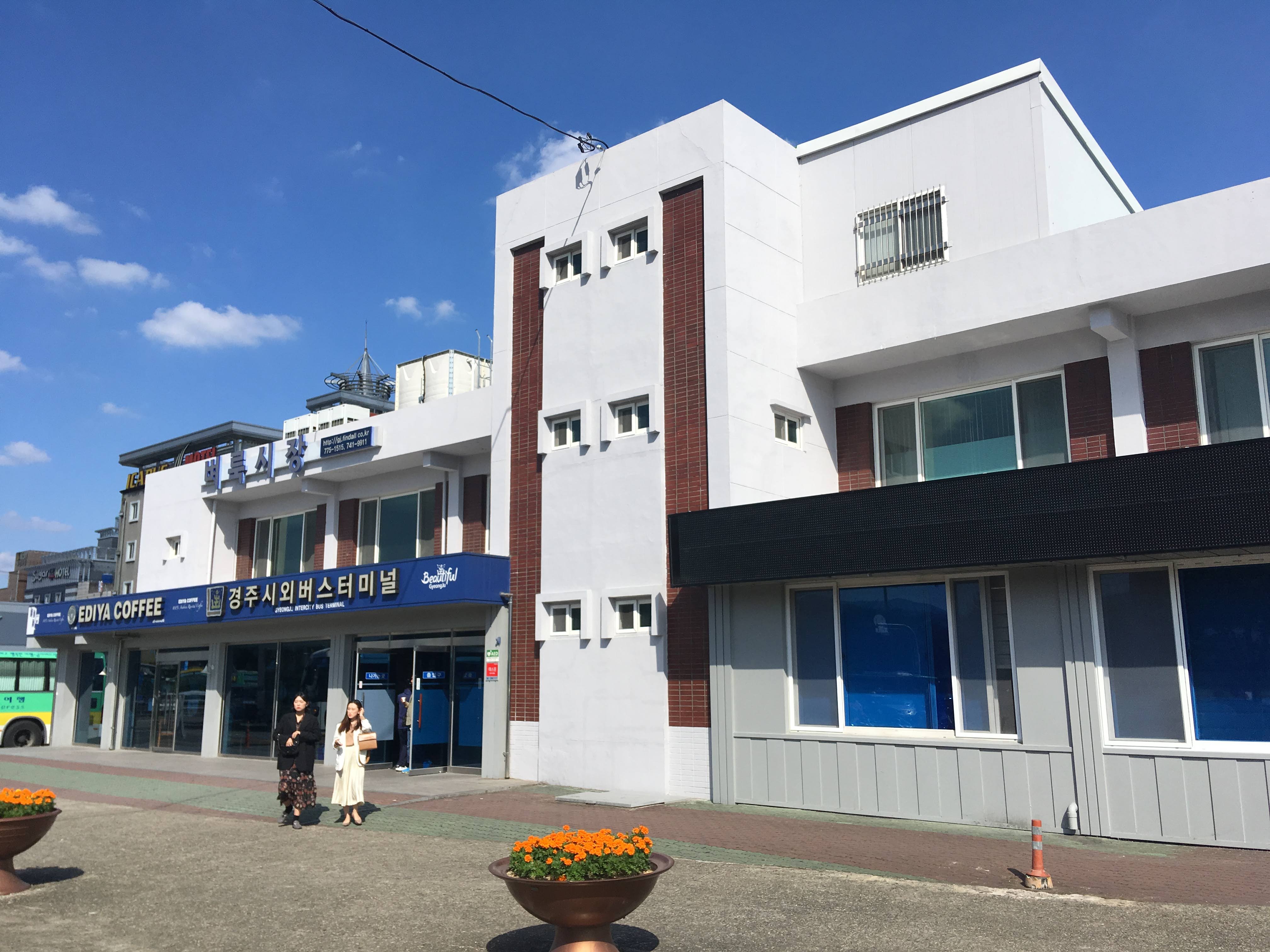
Check whether your ticket names Gyeongju Intercity Bus Terminal or Gyeongju Express Bus Terminal. Use that exact name when finding your onward route or telling your accommodation where you have arrived.
Decide whether to walk based on the actual destination, luggage, and weather. A route that looks manageable on a map may feel much less convenient with a large suitcase in rain or summer heat. If you arrived by bus, do not describe your location as Gyeongju Station when arranging a pickup.

Luggage and Late Arrivals
With large bags, consider making your accommodation the first stop. Ask whether it can store luggage before check-in. Our Gyeongju accommodation area guide can help you understand how the location affects your arrival route.
Do not make station lockers essential to your plan without checking their location, size, and availability. Even where lockers exist, an empty compartment large enough for your suitcase is not guaranteed.
For a late arrival, check onward transport and your accommodation's check-in arrangements before buying the ticket. Have an alternative if the bus you planned to use is no longer available.
Plan the Return Journey Backward
Start with your booked train's departure time, then work backward through travel to the station, waiting, walking, and collecting any stored bags. A route estimate showing time on the bus alone does not include every part of this process.
If you finish the day around Bomun or Bulguksa, calculate the return from there rather than reusing an estimate from central Gyeongju. Leave room for delays instead of aiming to reach the platform at the last moment.
For a sightseeing stop between Seoul and Busan, book tickets for the actual legs you will travel. A through ticket should not be treated as permission to get off in Gyeongju and board any later train.
A useful planning order is: departure accommodation -> station or terminal -> arrival in Gyeongju -> luggage arrangements -> first attraction. Once those connections work, build your sightseeing around the time remaining.