What to Eat in Gyeongju: Ssambap, Sundubu and Local Breads
Pick a rice-wrap meal or warm tofu stew, compare two local sweet breads, and fit food stops around central Gyeongju, Bomun or sunset sightseeing.
Choose what to eat in Gyeongju, from ssambap and sundubu jjigae to Hwangnam bread and barley bread, with ordering tips and practical sightseeing meal plans.
For a first food plan in Gyeongju, choose ssambap or sundubu jjigae for a meal, then try Hwangnam bread or chalborippang as a snack. Separating a proper meal from sweet snacks makes it easier to find what you enjoy without ordering everything at once. This guide explains the dishes and planning choices rather than ranking restaurants.
Start with One Meal and One Snack
The Korea Tourism Organization introduces a ssambap restaurant area around Daereungwon, while Gyeongju's own tourism information also highlights sundubu. Think of rice wraps and tofu stew as meal options, and the small red-bean-filled breads as snacks or gifts. You do not need to fit all four into one afternoon.
| Food | What to expect | How to fit it in |
|---|---|---|
| Ssambap | Rice and accompaniments wrapped in leafy vegetables | A lunch or dinner built around several dishes |
| Sundubu jjigae | A stew featuring soft tofu; seasoning and other ingredients vary | A meal when you want rice and warm stew |
| Hwangnam bread | A small baked pastry filled with red bean paste | A sweet break or a take-home purchase |
| Chalborippang | Small pancake-like barley cakes sandwiching red bean filling | An alternative texture to try or share |
With limited sightseeing time, choose one restaurant and one snack purchase first. If traveling together, check the sales unit before buying different types to share. Try a smaller quantity before choosing a large gift box, where the shop offers that option.
- Keep meals and snacks as separate parts of the budget.
- Prioritize one restaurant and one snack shop on a short visit.
- Consider the recipient's tastes and the remaining journey when buying gifts.

Choose Ssambap for Rice Wraps and Side Dishes
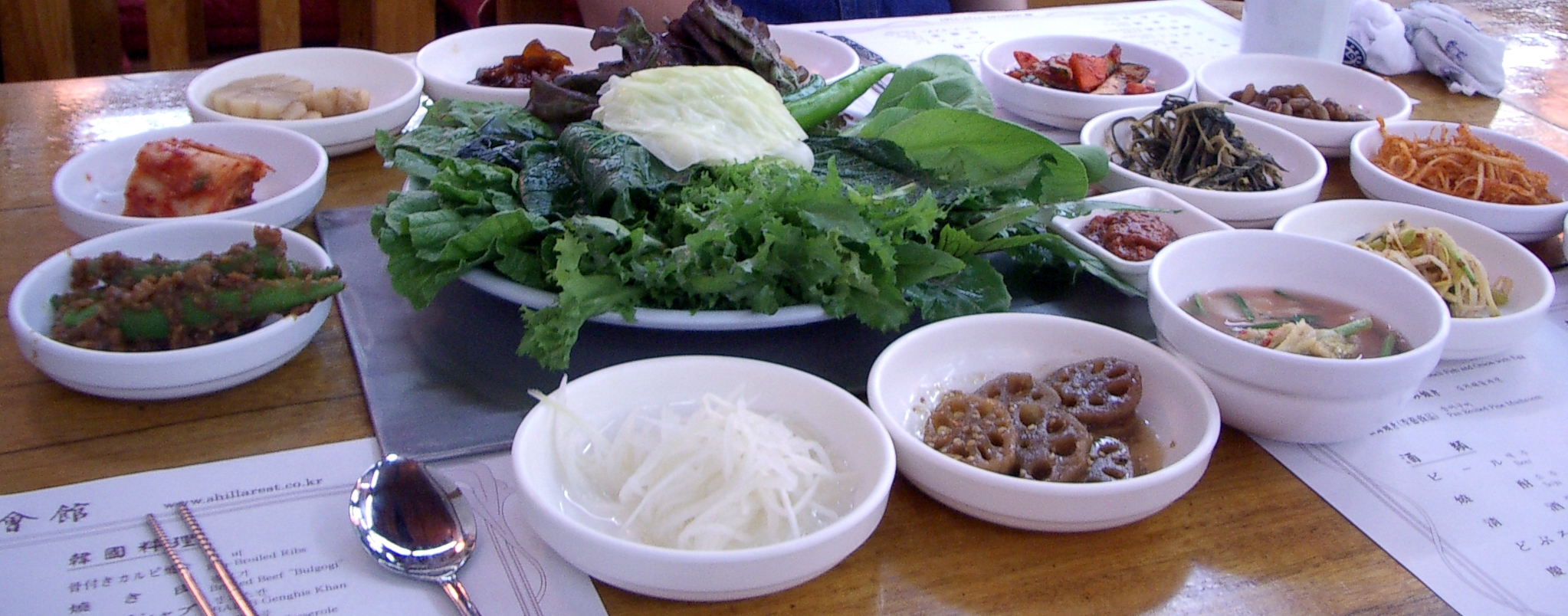
Ssambap means a meal of rice wrapped in leaves such as lettuce or perilla, with accompaniments. The Korea Tourism Organization's food guide describes combinations that can include meat, fish, seasoned vegetables and soybean paste stew. The actual set depends on the restaurant and menu, so do not assume every dish in a photograph comes with every order.
Start with one leaf, a little rice and a small amount of your chosen accompaniment. Add a little sauce or paste, taste it, then adjust the next wrap. You do not need to put every side dish into one wrap; try them separately to discover combinations you like.
A table covered in vegetables is not necessarily a vegetarian meal. Meat or fish may be included, and the ingredients in side dishes and broth need separate confirmation. Explain which ingredients you avoid before ordering rather than relying on the appearance of the table.
If dining alone, ask whether the set can be ordered for one person. Check whether the displayed price is per person and whether a minimum number of portions applies. These are restaurant-specific conditions, not a universal rule for ssambap.
- Start with small wraps and adjust the rice, paste and accompaniments.
- Check the set's contents and solo-ordering conditions.
- Confirm ingredients rather than judging dietary suitability by the amount of vegetables.
Choose Sundubu Jjigae for a Warm Tofu Meal
Sundubu is also part of Gyeongju's food offering, not just an extra dish added to this list. Gyeongju's official food introduction highlights its soft tofu, and the Korea Tourism Organization lists Maetdol Sundubu near the entrance to the Bomun Tourist Complex. This is a documented example, not a personal restaurant review or a claim that every local shop makes tofu the same way.
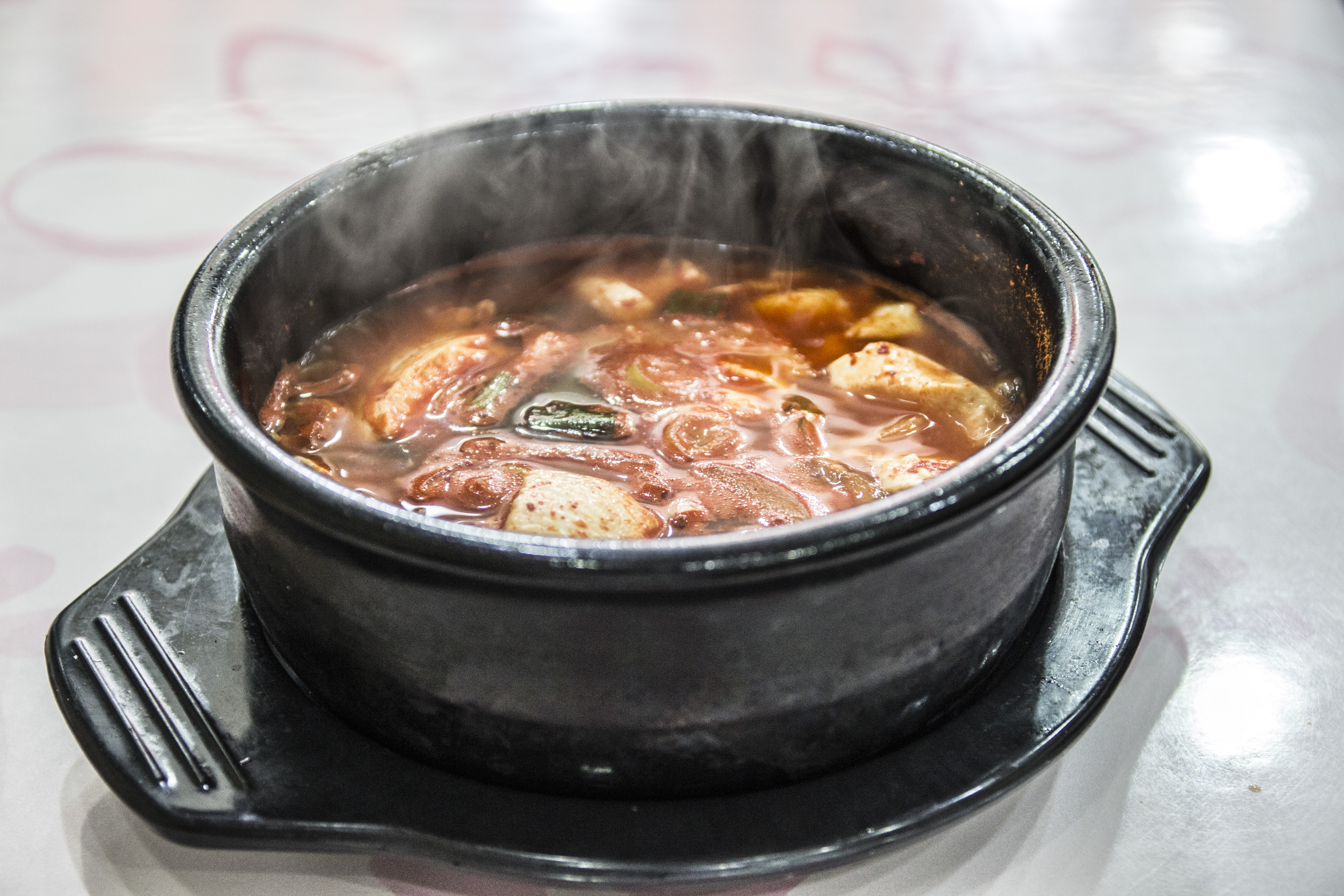
Sundubu jjigae is a stew featuring soft tofu. Choose it when a warm stew with rice appeals more than assembling rice wraps. Seasoning, seafood, meat, egg and broth ingredients can differ by menu. Soft tofu does not mean mild seasoning, and a tofu dish is not automatically vegetarian.
Before ordering, check the ingredients, how spicy the dish is, and whether rice is included. If you prefer less heat, ask whether a milder version is available rather than assuming the kitchen can change an already prepared broth. If an ingredient matters to you, ask about the full dish, including its broth.
Check the restaurant's location against your sightseeing plan. A Bomun-area meal can fit a day in that area, but it should not be treated as a stop immediately beside Daereungwon. A special restaurant detour needs its own travel allowance, especially when you are using buses or taxis.
- Choose between ssambap and tofu stew according to the meal you want.
- Ask about heat, broth ingredients and included rice.
- Check travel time before adding a Bomun-area restaurant to a central-city day.

Tell Hwangnam Bread and Chalborippang Apart
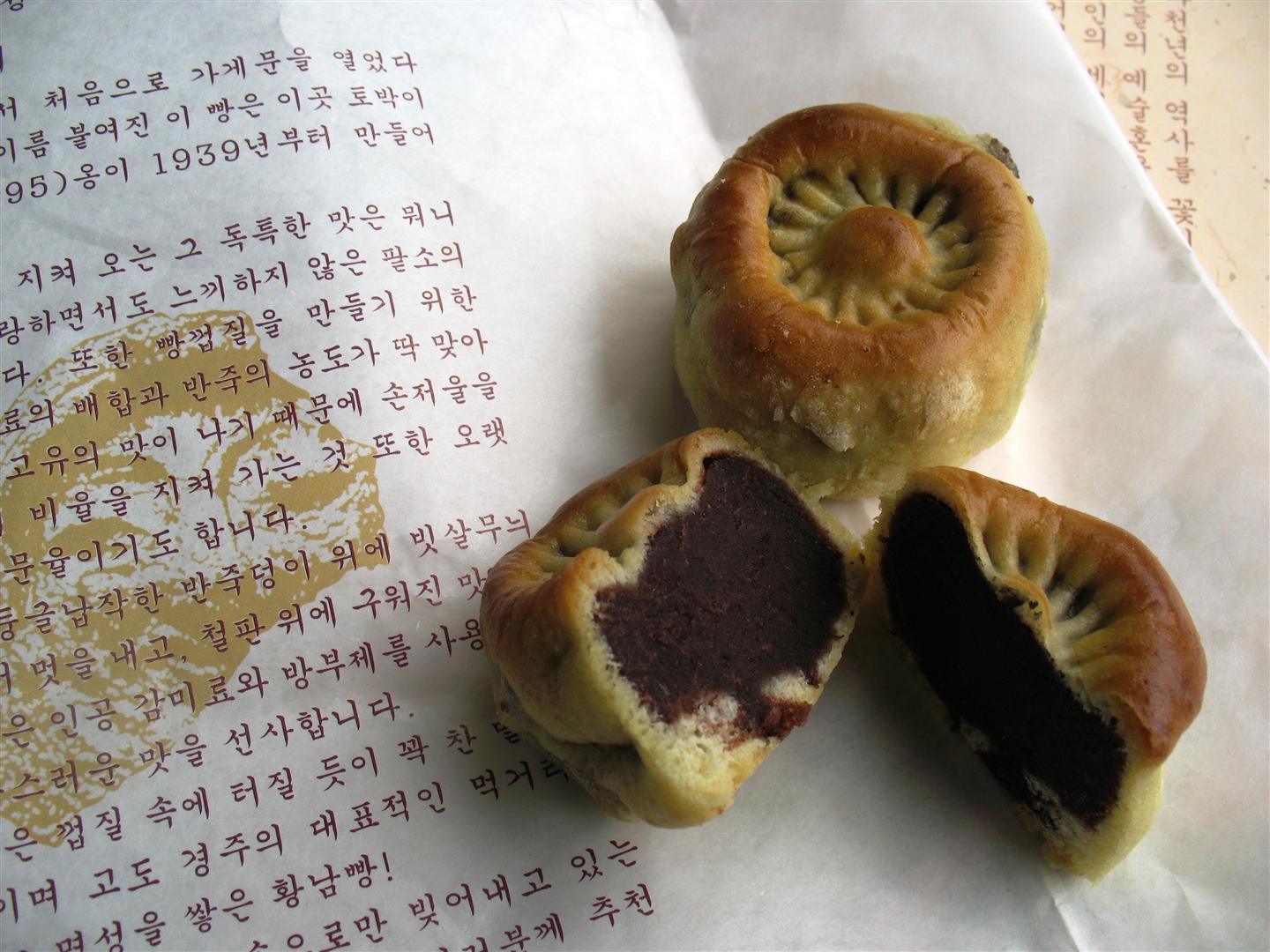
Hwangnamppang, usually called Hwangnam bread in English, is a small baked pastry with red bean paste inside. The official tourism description mentions a wheat-flour batter containing egg. Think of a small filled sweet rather than a large loaf for a meal.
Chalborippang uses barley in small pancake-like cakes with red bean filling between them. Its shape and texture differ from Hwangnam bread, but both can contain red bean paste. If you dislike that filling, switching between the two may not give you the different flavor you want. Visit Gyeongju's bakery feature introduces them as distinct local breads.
Compare the product name and photograph at the shop. If you want a particular brand, save the exact business and branch in your map app. Similar-looking pastries or a general Gyeongju bread label do not establish that the products come from the same maker.
- Expect two different forms of small sweet snacks.
- Consider whether you enjoy red bean filling before buying a large quantity.
- Check the exact shop and branch if a particular brand matters.

Check the Package Before Buying Gifts
Separate something to eat at your accommodation from a box you will give to someone several days later. Follow the specific product's storage instructions and use-by information. One bakery's advice should not be applied to every pastry sold in Gyeongju.
If you have ingredient restrictions, read the actual label. A general description of Hwangnam bread mentioning wheat and egg is not a complete ingredient list for every product. Likewise, the name barley bread alone does not tell you whether wheat, egg or milk is also used. Ask to see the package information when needed.
If a long walk is still ahead, buying a large box toward the end of sightseeing may be easier. First check the shop's hours and leave enough time to reach the station. Avoid turning a final purchase into a rushed stop immediately before your train.
- Use the product's own storage instructions and date markings.
- Check actual ingredients with the label and seller.
- Leave time for shopping and transport before a fixed departure.
Fit the Meal Around Your Sightseeing
On a Daereungwon day, one possible sequence is a ssambap lunch, sightseeing, then a sweet snack during a later break. On a Bomun day, a nearby sundubu restaurant may fit more naturally. These are planning suggestions, not reserved routes or restaurant rankings.
If you plan to see Gyochon Village and Woljeonggyo around sunset, leave space between the meal and the light you want to catch. Decide whether the sunset stop or the restaurant is the priority before committing to a queue. For dinner afterward, check the kitchen's last-order time as well as the business's closing time.
Choose one meal and one bread you want to try first. Add other food only if your appetite and remaining time allow, rather than making the day a checklist of dishes.
- Connect the meal to the area you are already visiting.
- For sunset plans, account for queues and kitchen closing times.
- Use our Gyeongju walking routes for the next stop, or the Gyochon Village guide for a late-afternoon outing.