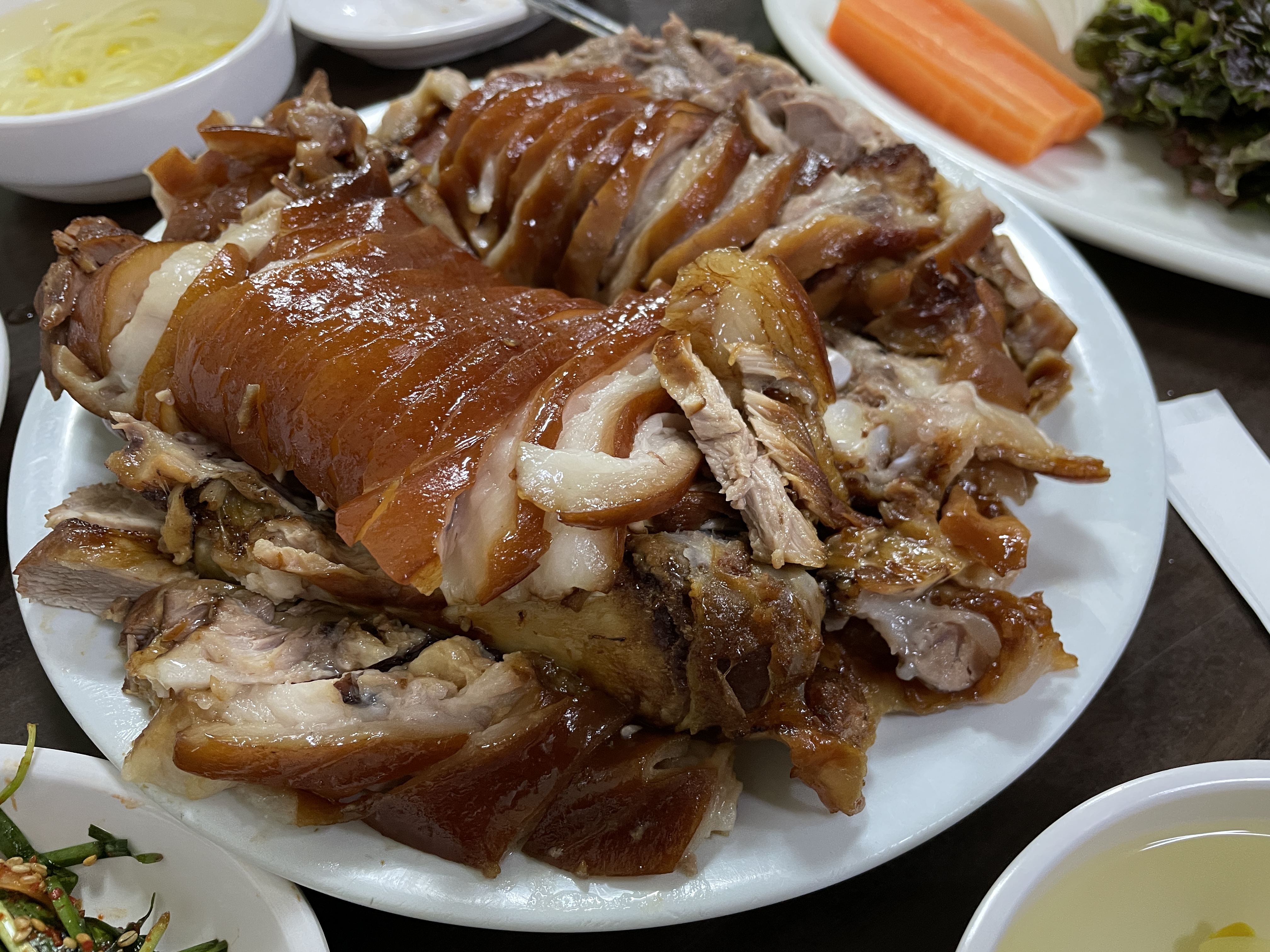
Seoul Jokbal and Bossam Guide: What to Order, How Much, and Where to Start
Understand jokbal and bossam before ordering: texture, portion size, wraps, sauces, late-night culture, and which Seoul area fits your route.
Korean restaurant culture, must-try dishes, ordering tips, and how to navigate dining as a foreign visitor.
18 posts
Understand jokbal and bossam before ordering: texture, portion size, wraps, sauces, late-night culture, and which Seoul area fits your route.
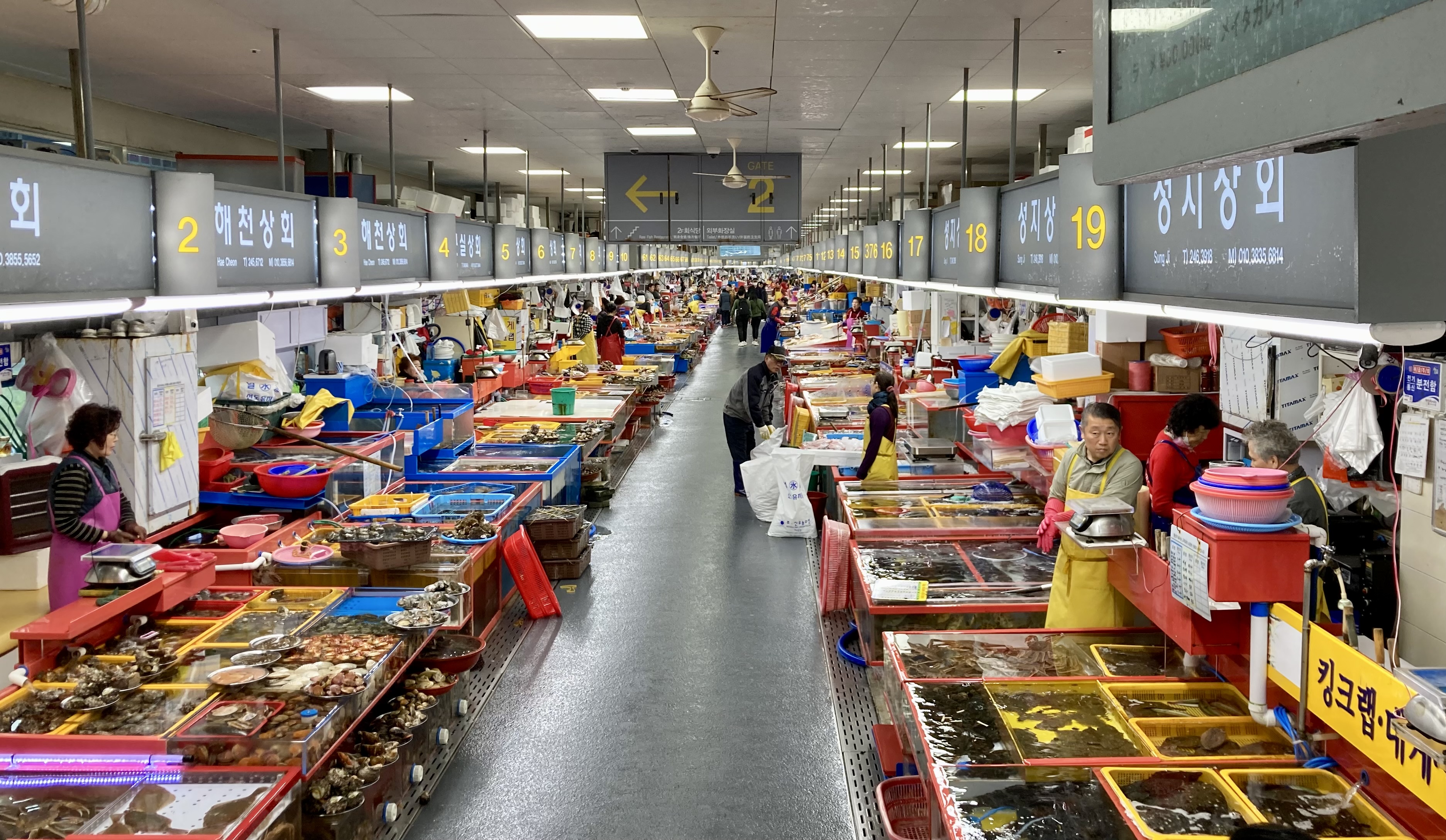
A practical Busan seafood guide for choosing Jagalchi, Millak, Gwangalli, Haeundae, or Nampo by ordering style, price clarity, raw food comfort, and allergies.
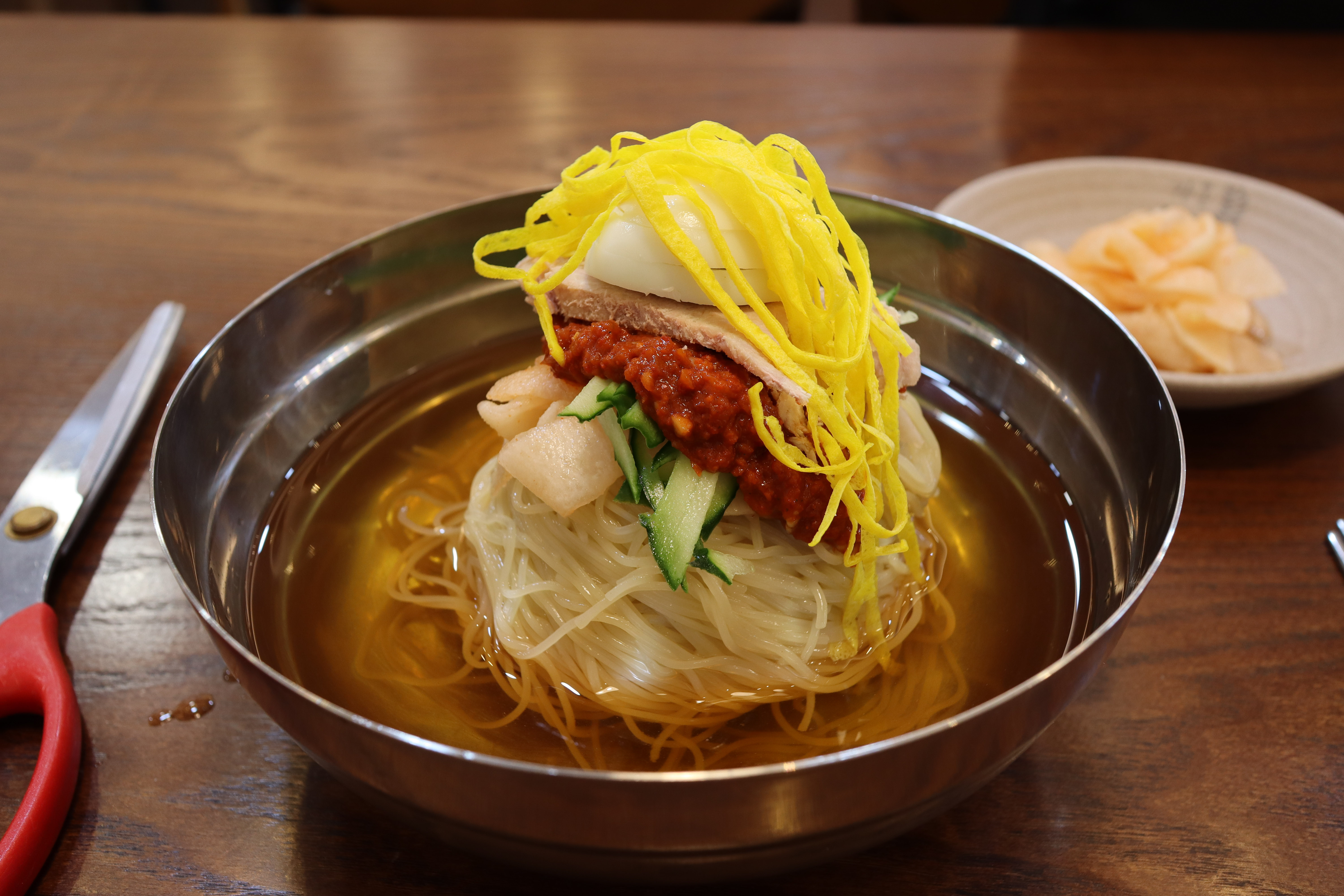
Try Busan milmyeon by choosing mul or bibim, pairing it with mandu, planning around summer waits, and picking a restaurant near your route.
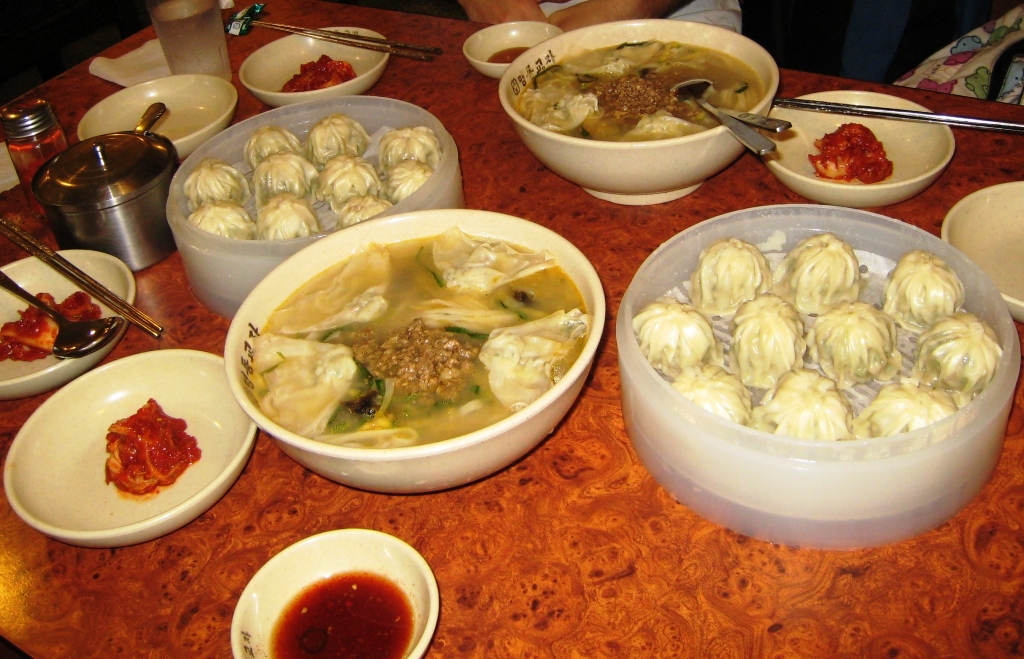
Choose mandu and kalguksu in Seoul by broth style, dumpling filling, solo dining, spicy kimchi, wait time, and route-friendly restaurants.
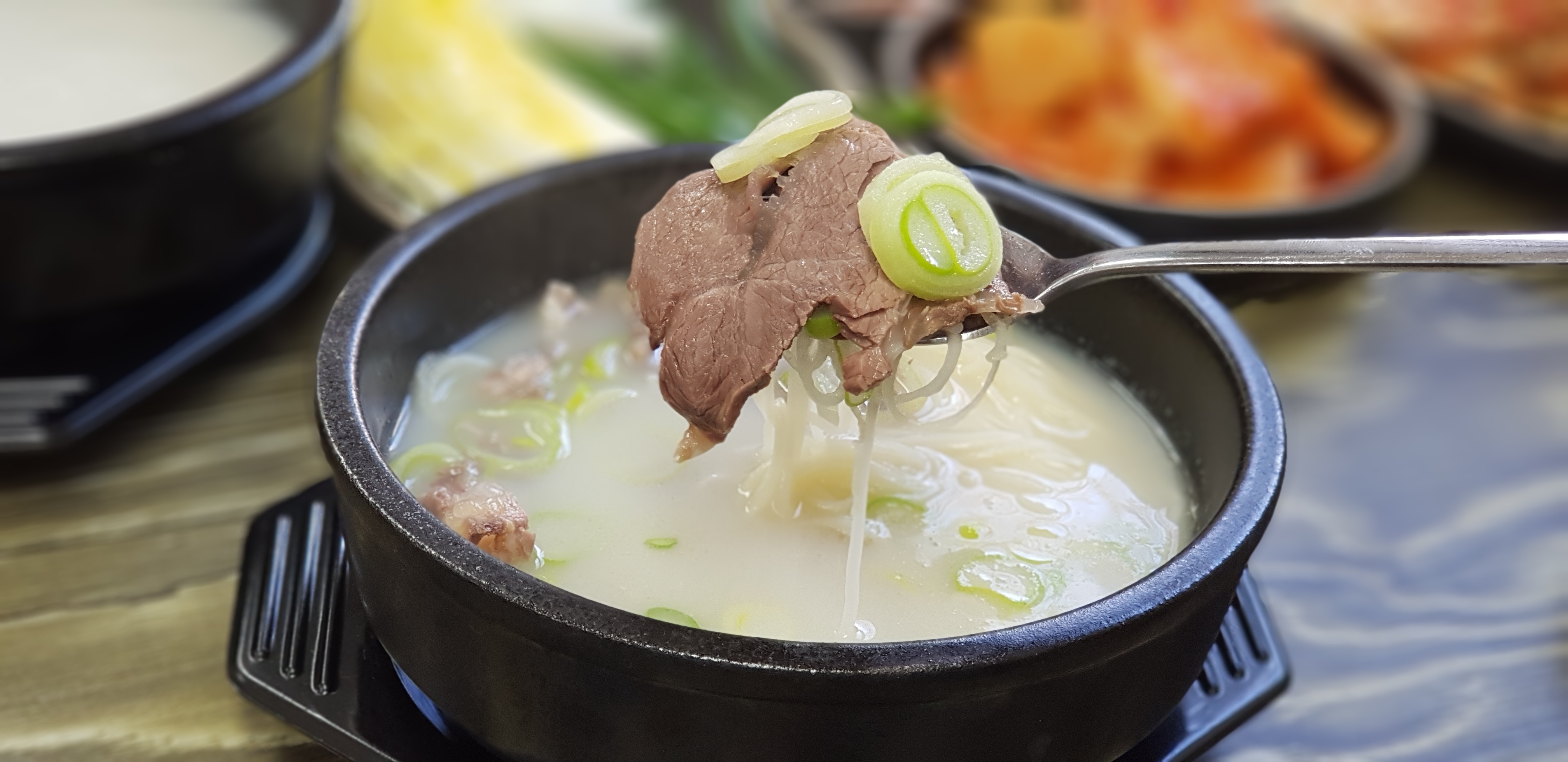
Try mild Korean beef soups in Seoul with practical ordering tips: seolleongtang vs gomtang, seasoning, rice, kimchi, breakfast, and solo dining.
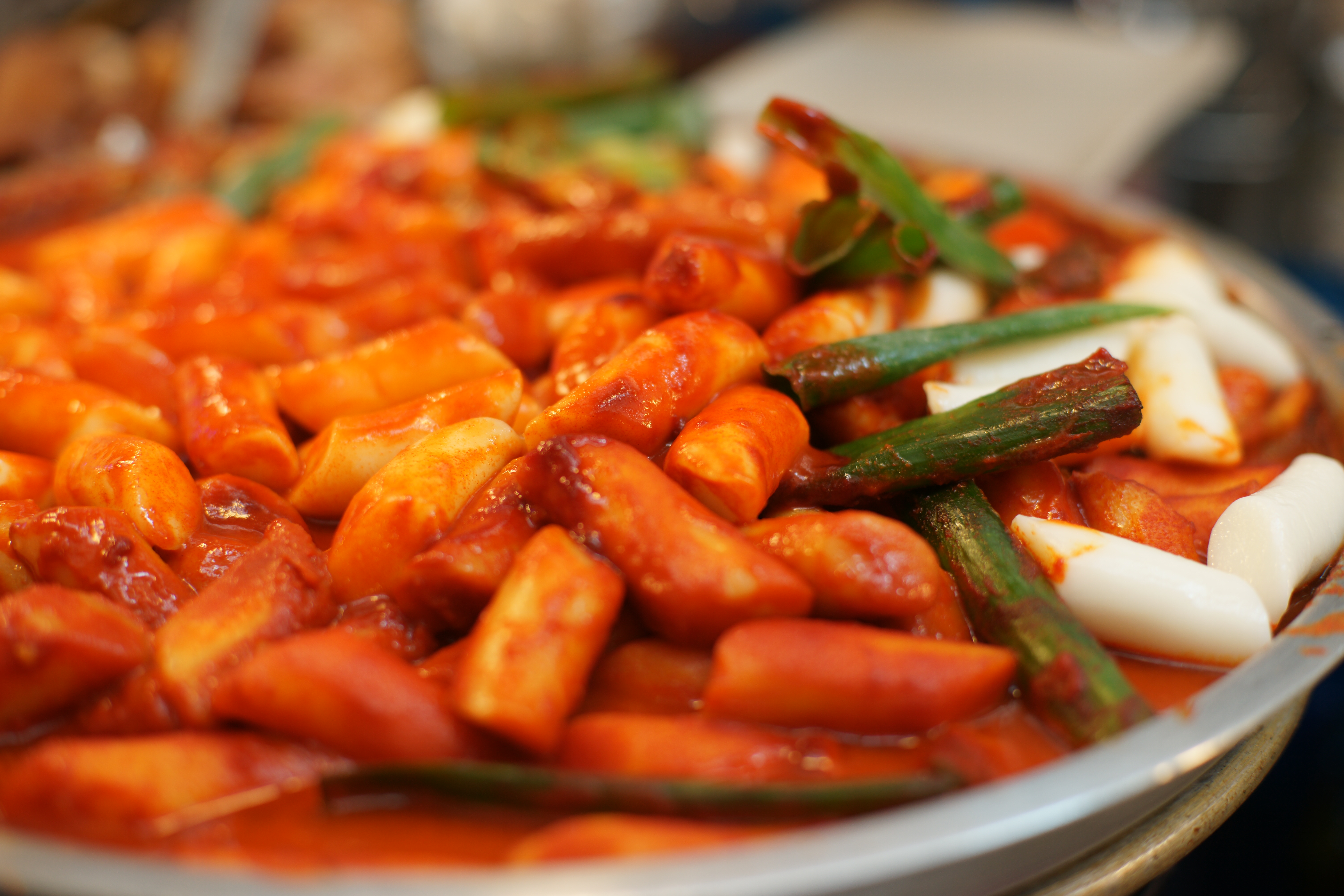
Try tteokbokki in Seoul without getting overwhelmed: choose street, bunsik, or instant style, manage spice, add sides, and avoid overordering.
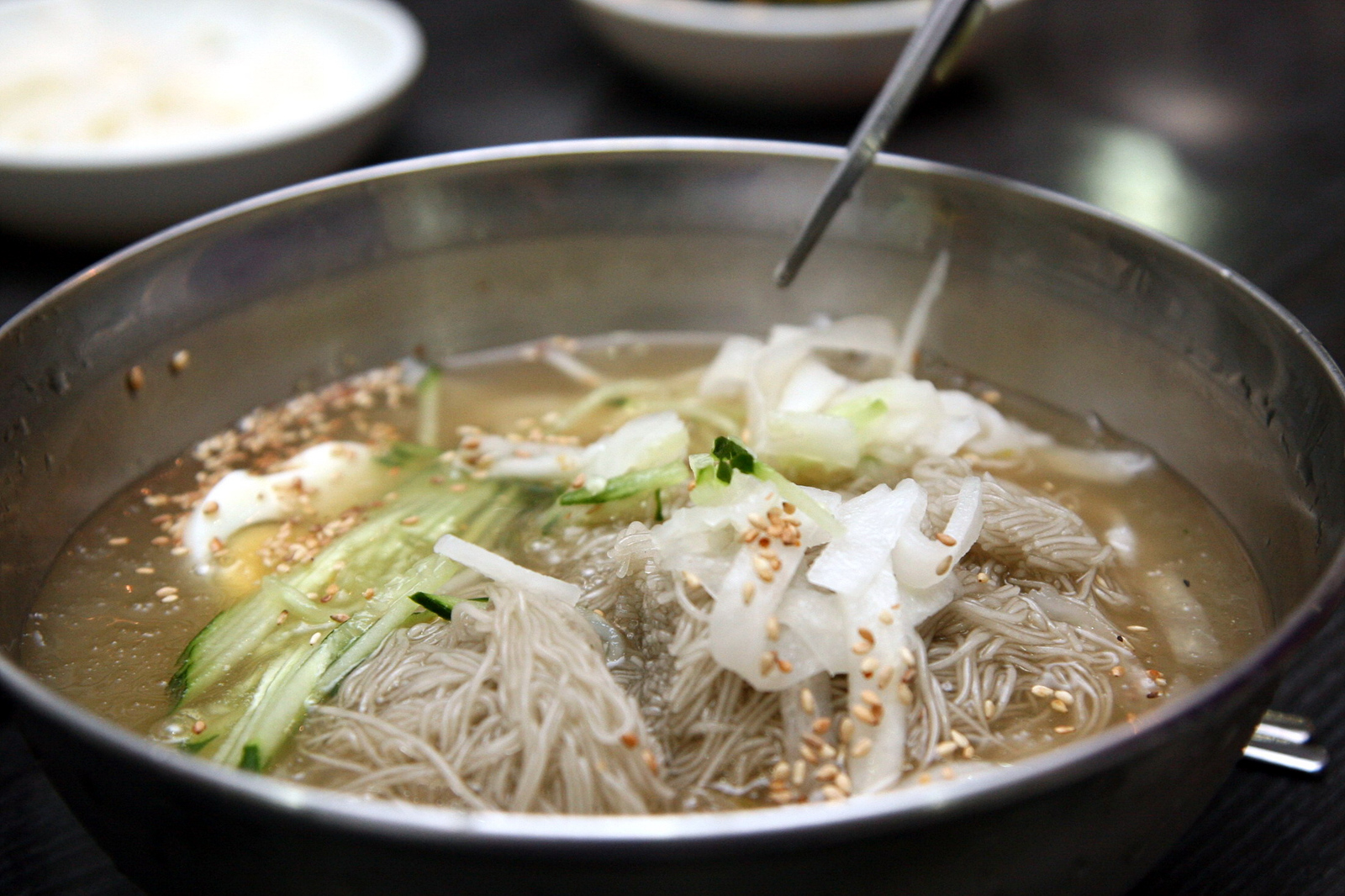
A practical Seoul naengmyeon guide for choosing Pyongyang or Hamheung style, mul or bibim noodles, famous restaurants, BBQ pairings, and beginner-friendly orders.
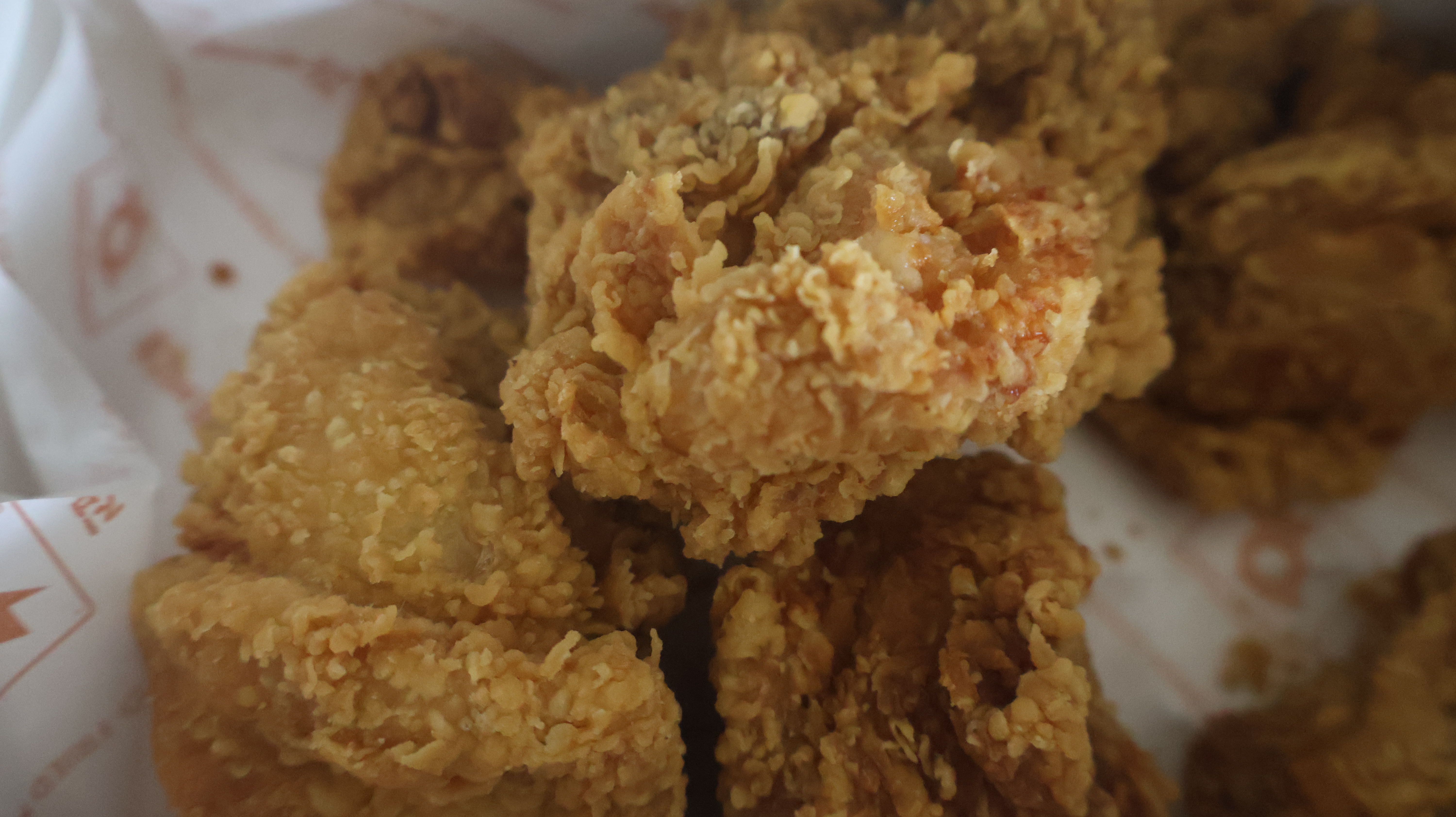
A practical Seoul chicken guide for choosing fried, yangnyeom, soy, half-and-half, chain stores, chimaek spots, takeout, and late-night meals.
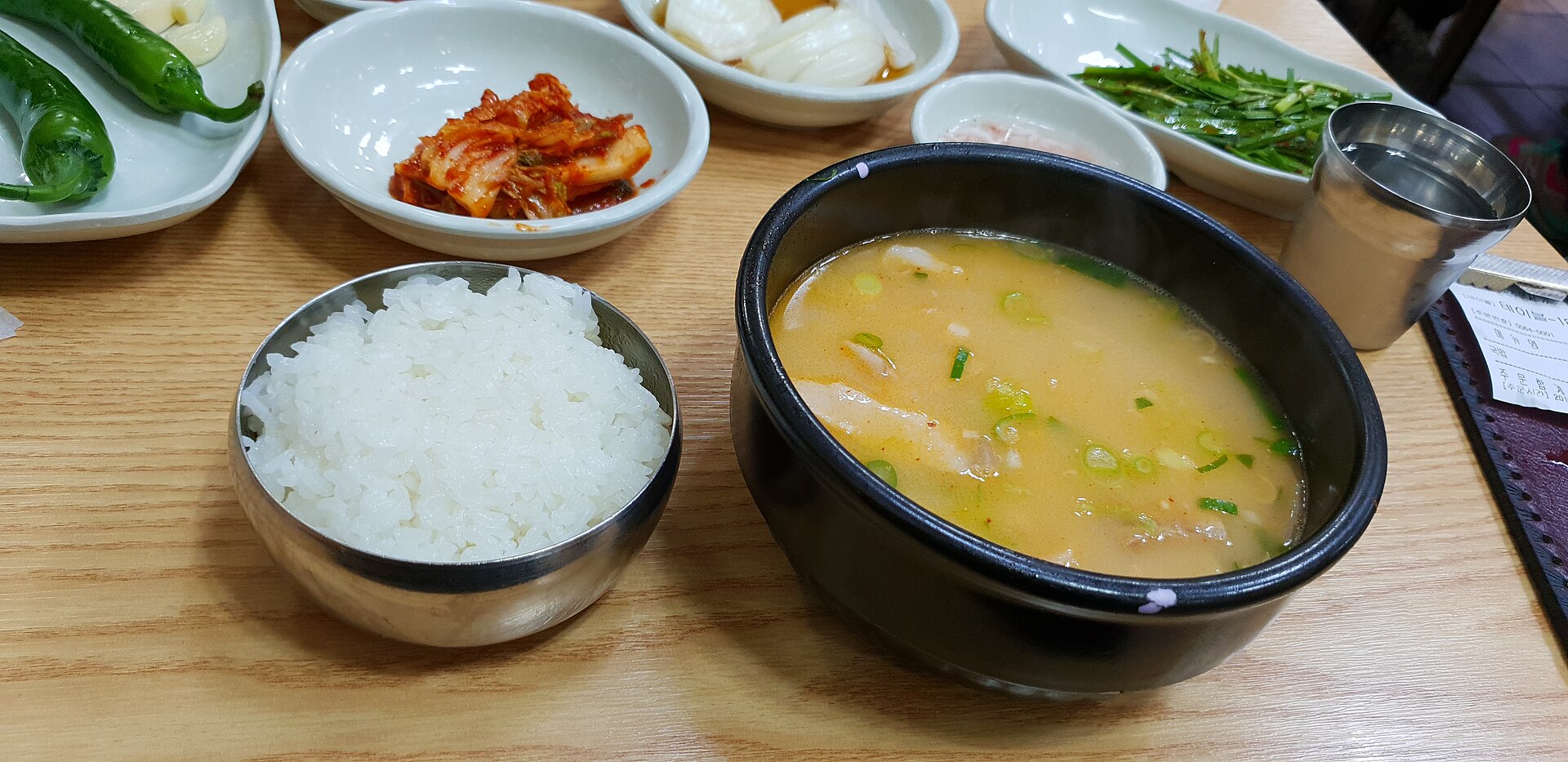
A practical Busan pork gukbap guide for first-time visitors, covering Seomyeon, beach-area options, how to season the soup, solo dining, and common ordering mistakes.
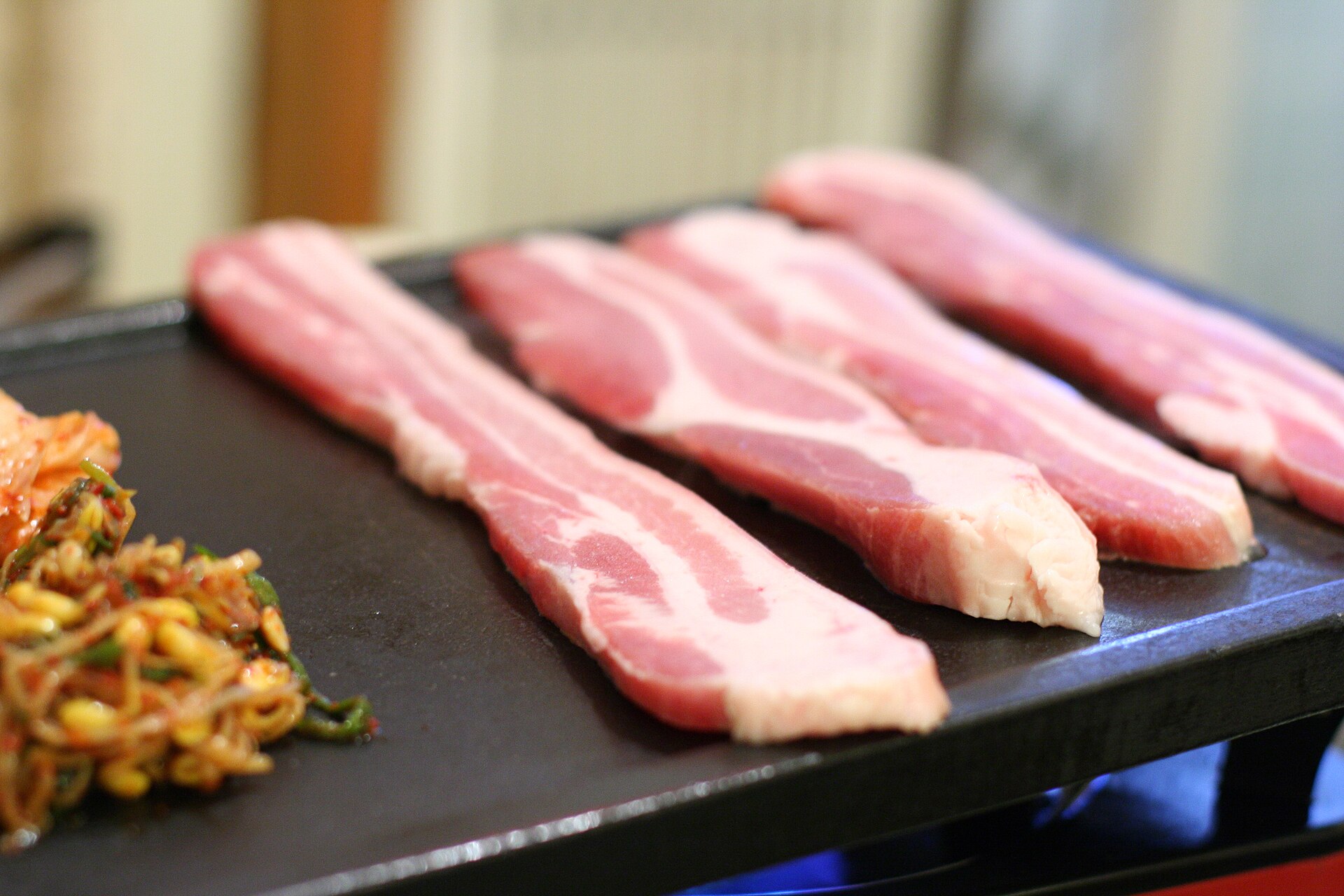
A practical Seoul samgyeopsal guide focused on where to go, how much to order, when all-you-can-eat makes sense, and how to avoid common Korean BBQ mistakes.
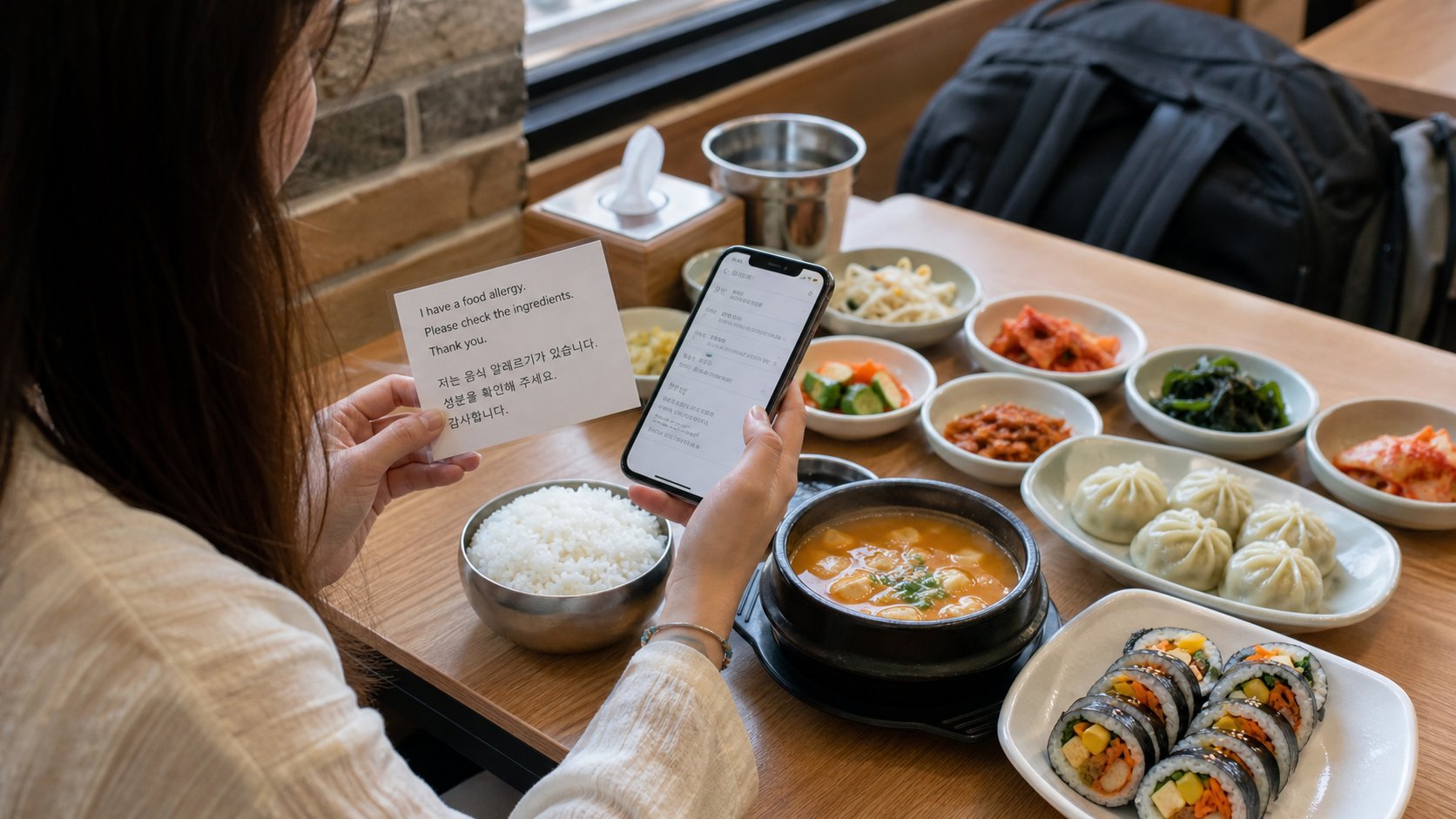
Korean food can hide allergens in broth, sauces, kimchi, side dishes, and mixed fillings. This guide helps travelers ask safer questions and choose lower-risk options.
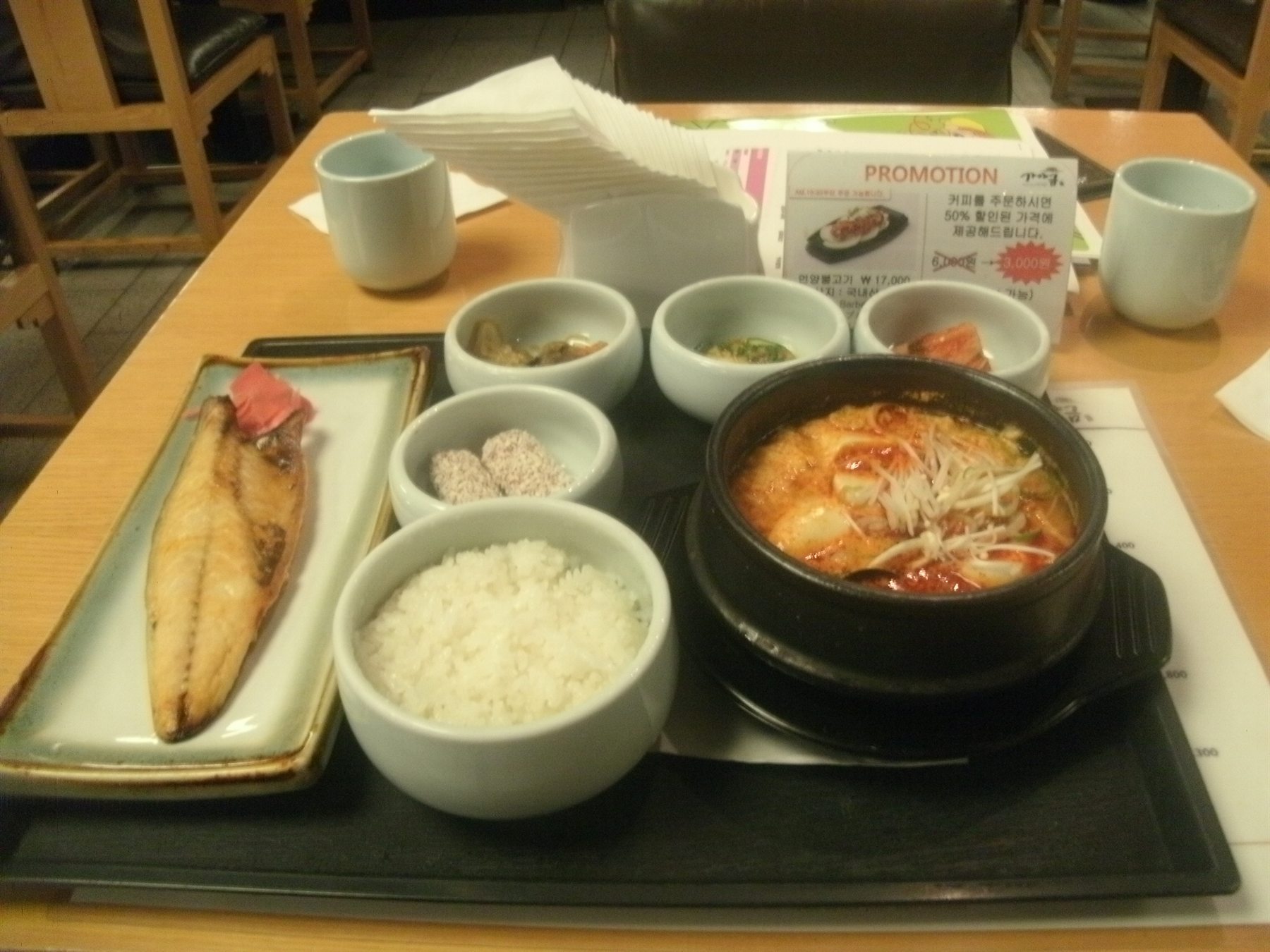
Plan breakfast in Korea by schedule: convenience store for early starts, soup for a filling morning, cafes for slow days, and kimbap for trains.
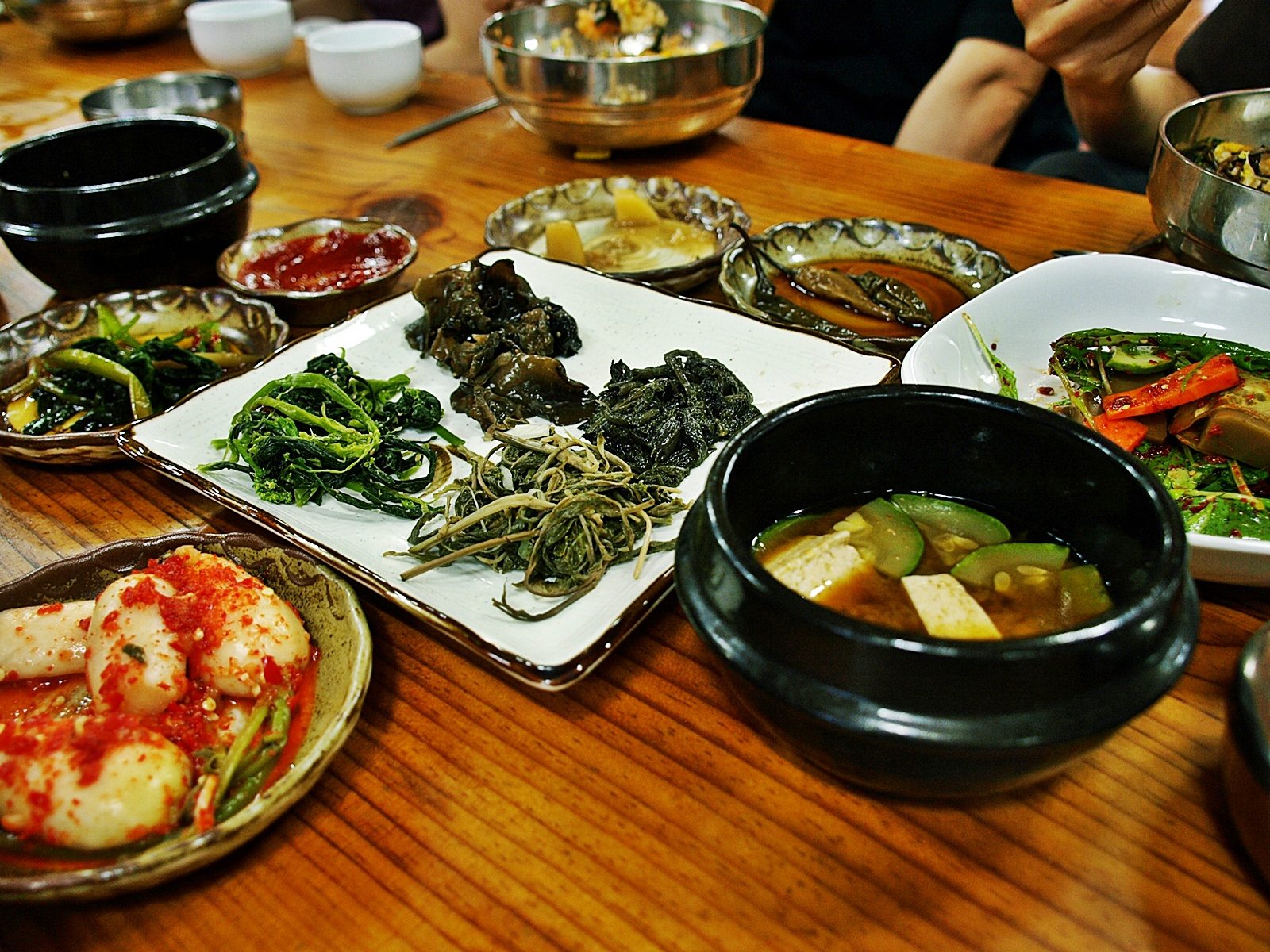
Choose Korean soups and stews by format: jjigae for strong shared stew, tang for broth-based meals, and gukbap for rice-and-soup comfort.
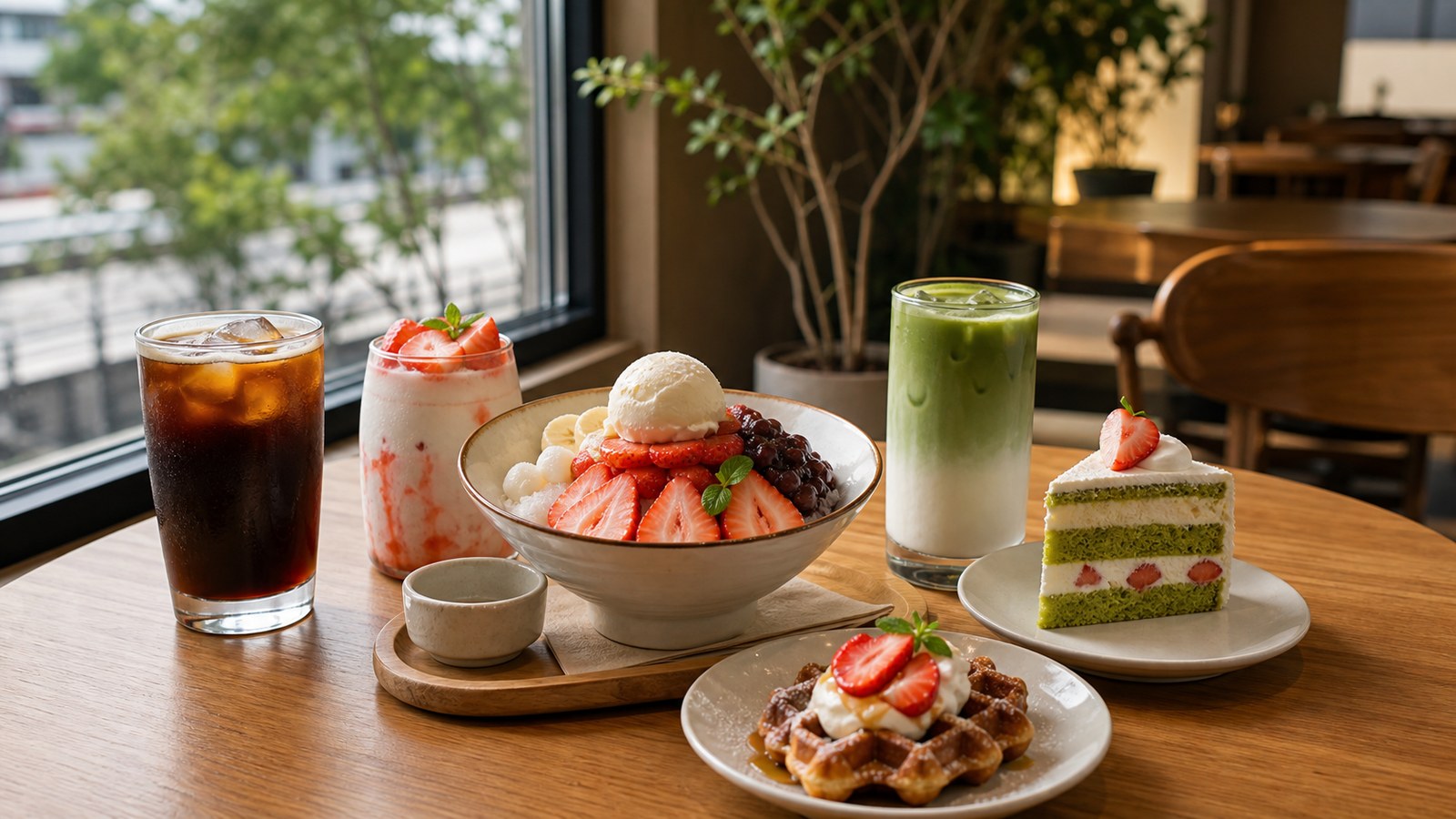
Use Korean cafes as rest stops, dessert stops, map-planning breaks, and neighborhood experiences while choosing drinks and desserts wisely.
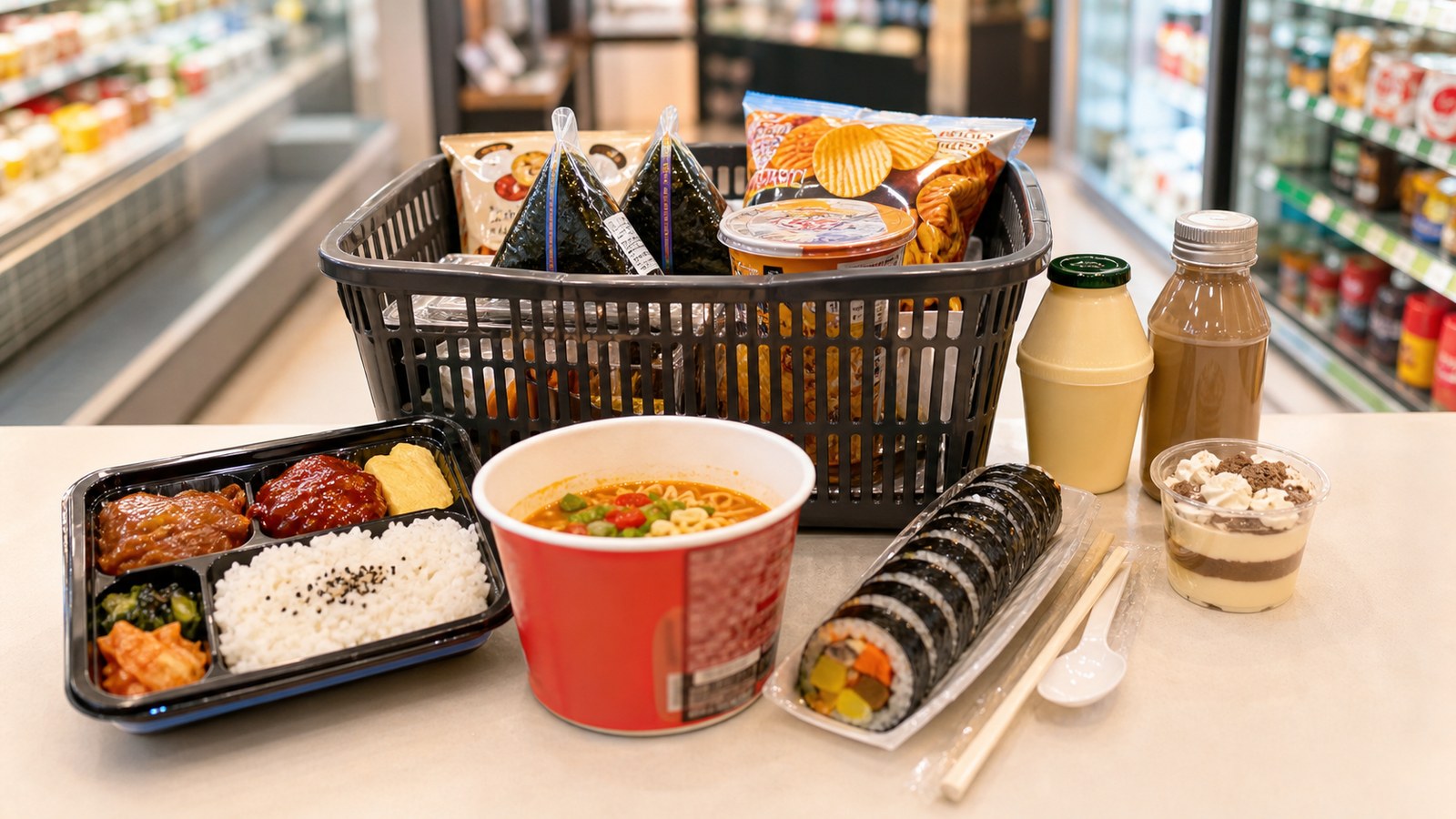
Use Korean convenience stores as practical travel infrastructure: breakfast, late-night meals, microwaves, hot water, snacks, drinks, and T-money.
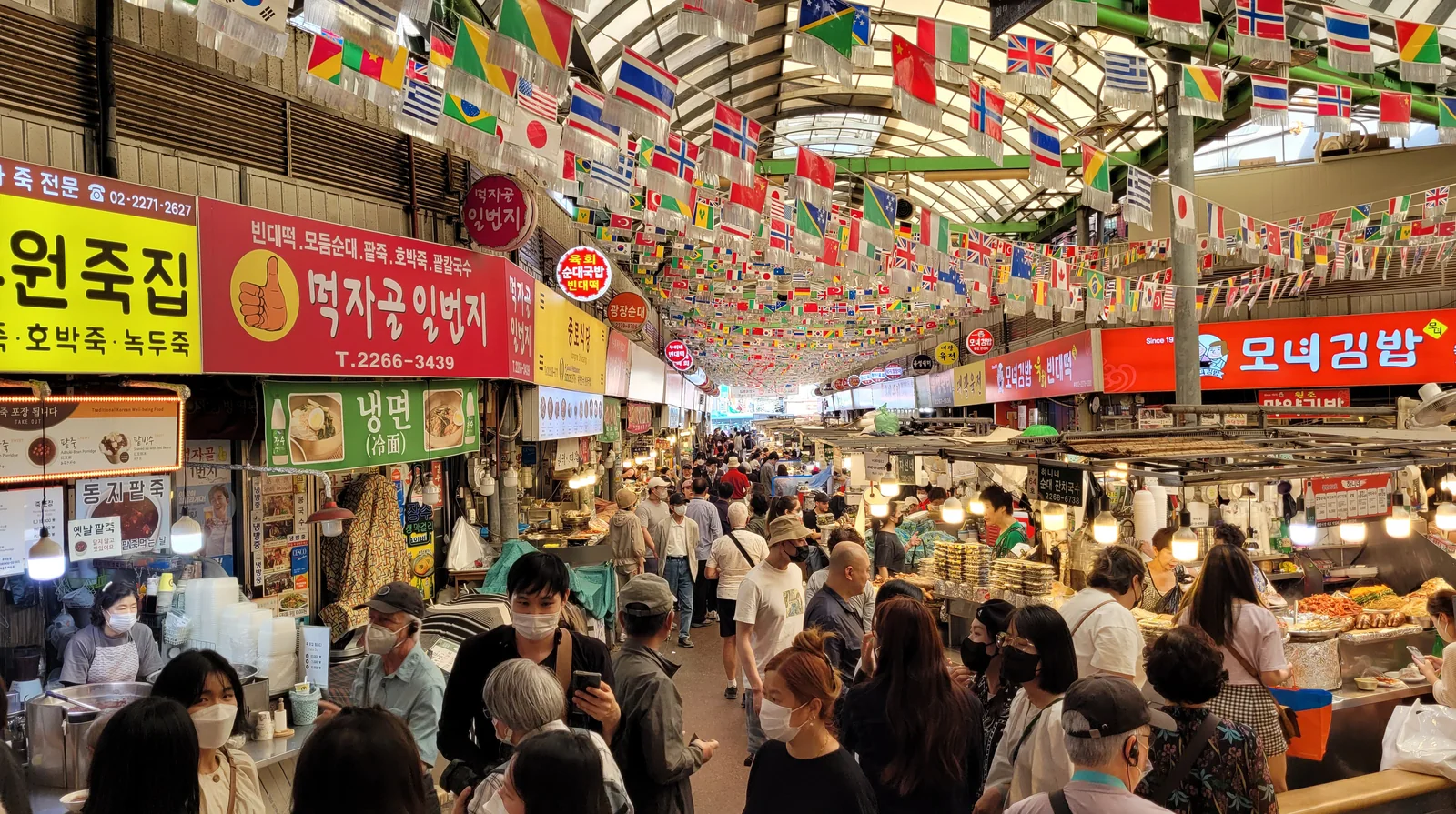
Plan a Seoul market food tour with ten popular dishes, honest payment and allergy advice, and practical routes through Gwangjang and Myeongdong.
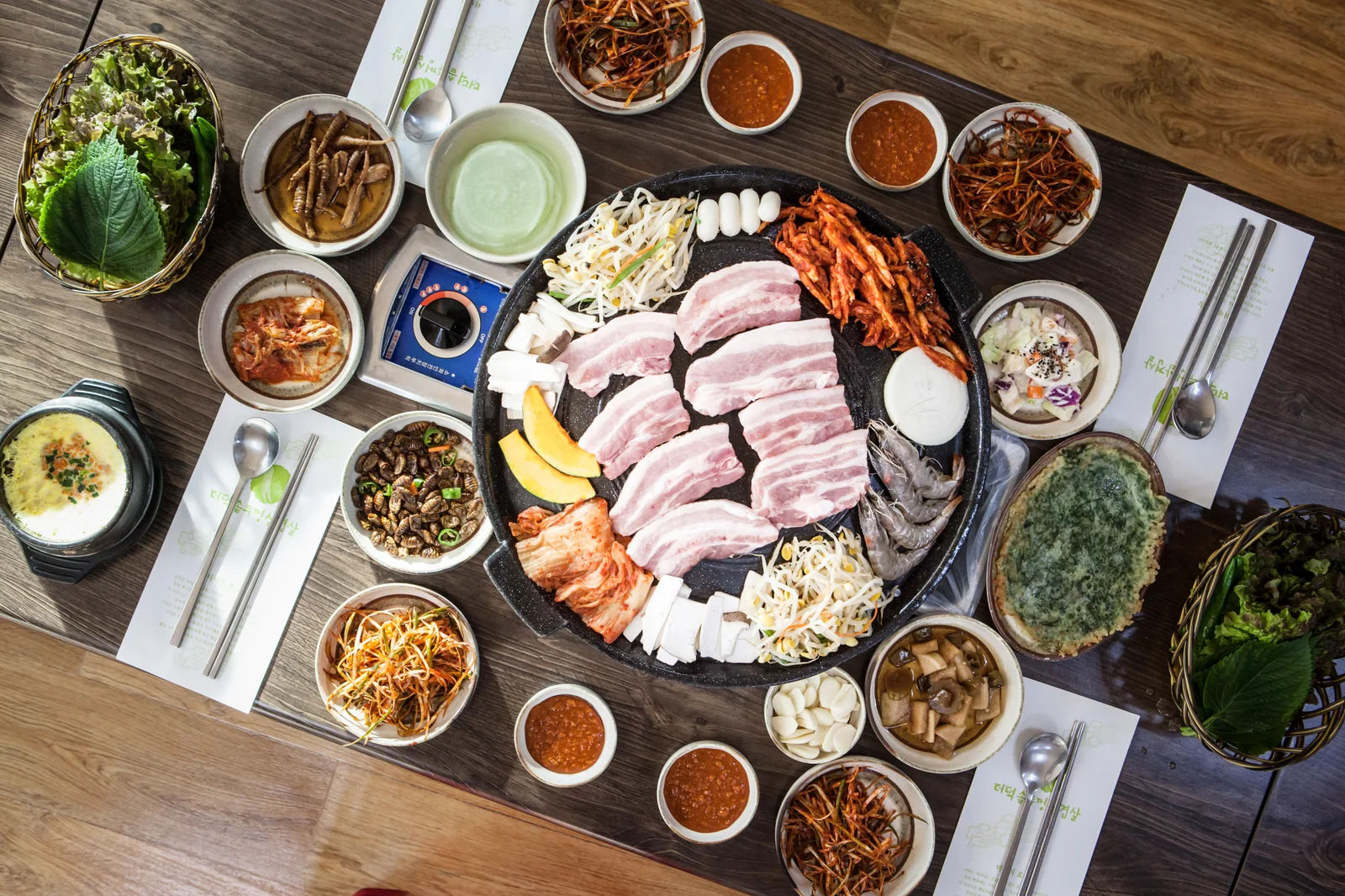
Learn how Korean BBQ actually works at the table: minimum orders, staff grilling, raw-meat tools, ssam wraps, side dishes, and final dishes.
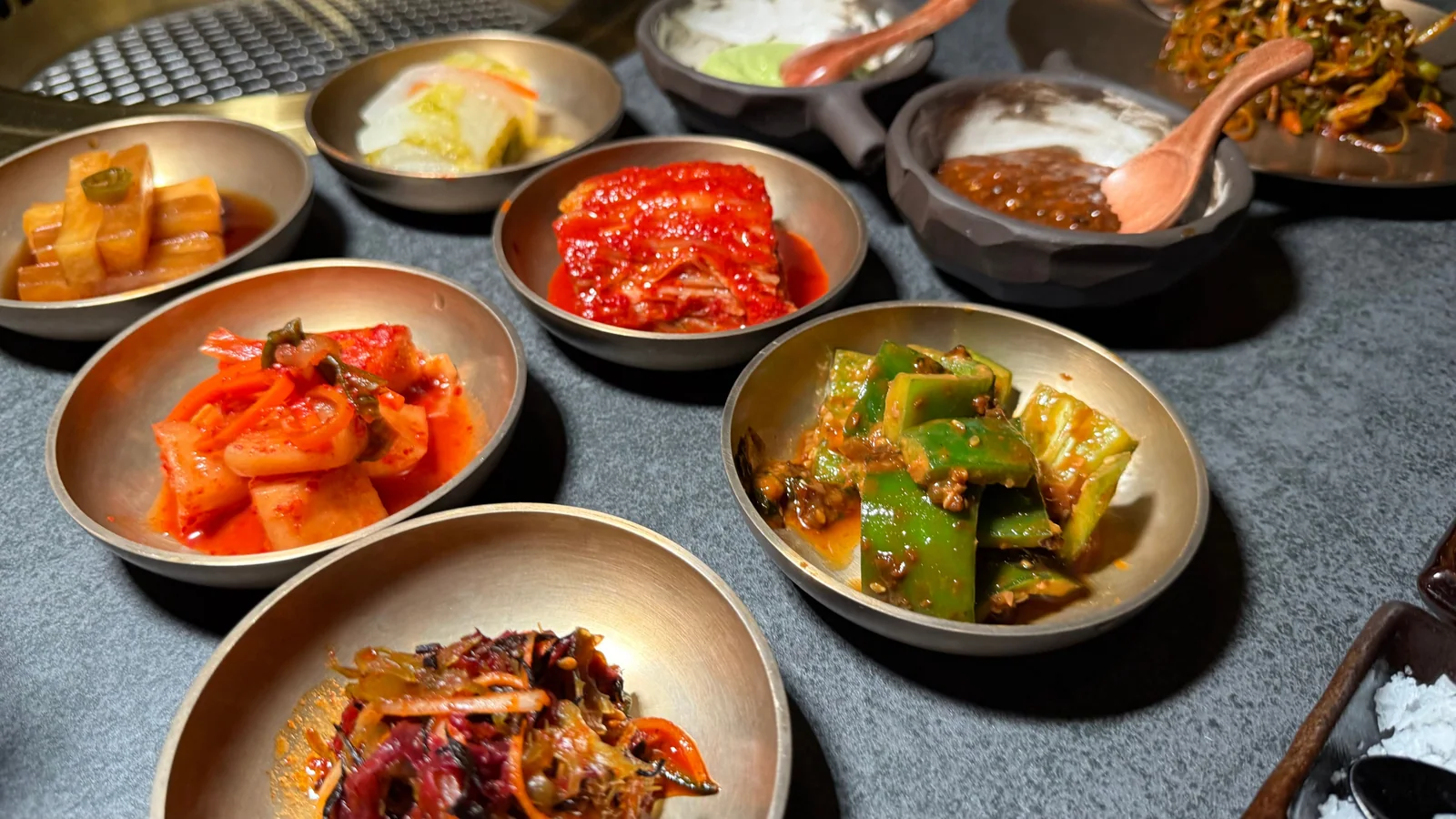
Choose your first Korean meals by situation, not just by dish name. This guide explains easy solo meals, non-spicy choices, shared dishes, spice risks, and hidden ingredients.